20: No Hit Wonder (4.369 out of 5)
Above I remarked that any film scoring a 4 or higher is a winner. In the case of this year's festival, that was roughly a quarter of all full features, a testament to how strong the offering was this year.
The top 20 actually starts with sores of about 4.4 which is even more amazing. Because there will always be a few 3s in the mix as well, it means half the audience gave a 5 to reach such an average.
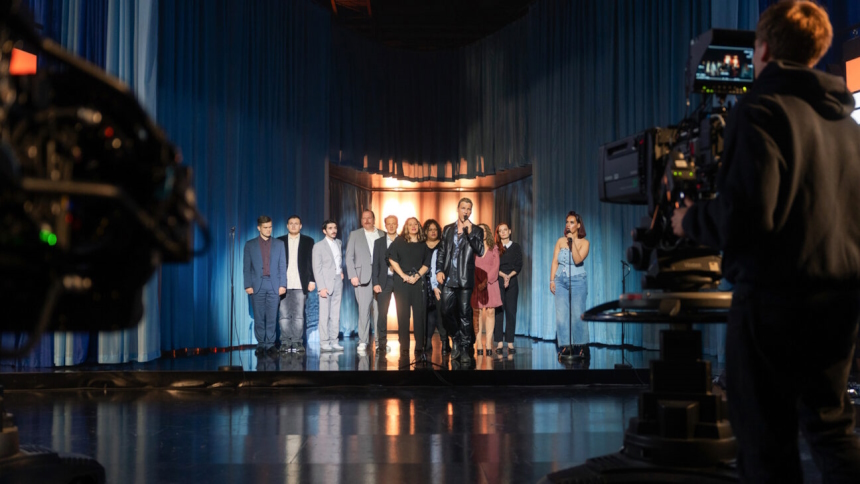
Here we see Florian Dietrich's feel-good comedy, which actually topped the leaderboard for the first week of the festival. It's a formulaic affair about a depressed pop star who starts to teach patients at a psychiatric ward to sing, heping himself as much as them, but some great moments and constant acidic wit lifts the film to a higher level. You can check my review here
.
19: El Sett (4.378 out of 5)
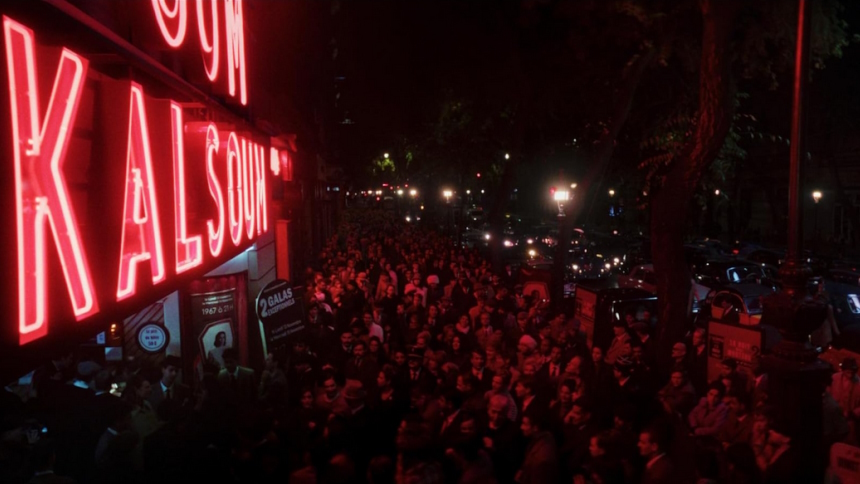
This is a huge, big budgeted biopic about the legendary Egyptian singer Umm Kulthum, a woman so popular that people crossed oceans in 1967 to watch her perform in Paris at her sole concert outside of Egypt. In over two-and-a-half hours, the film shows parts of her life and the political turmoil in Egypt, leading up to the famous concert.
Criticized by some in Egypt as a rather shallow hagiography, its fantastic production values made it one of the most sumptuous films this year at the festival, and Rotterdam audiences liked it a lot.
18: Calle Málaga (4.389 out of 5)
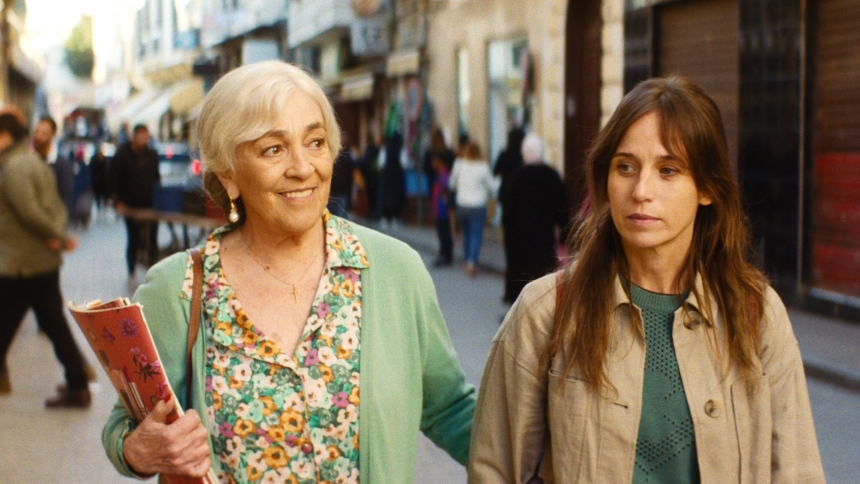
Director Maryam Touzani nearly won the audience award three years ago with The Blue Caftan, missing out only by the merest of differences, so it's fair to say she has fans here in Rotterdam. Calle Málaga is another winner, a film in which Maria, an old woman in Tanger, Morocco, is in danger of being thrown out of her home by her daughter. As Maria is forced to fight against her daughter's decision, she discovers unexpected joy and romance in her hometown.
17: Holofiction (4.397 out of 5)
Director Michal Kosakowski isn't afraid to make films about rather harsh subject matter, I mean he joined Jörg Buttgereit and Andreas Marschall for a horror anthology, so...
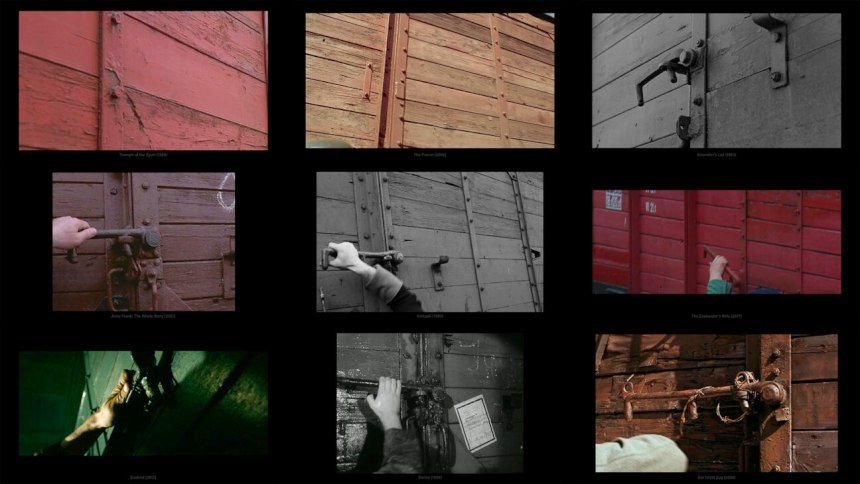
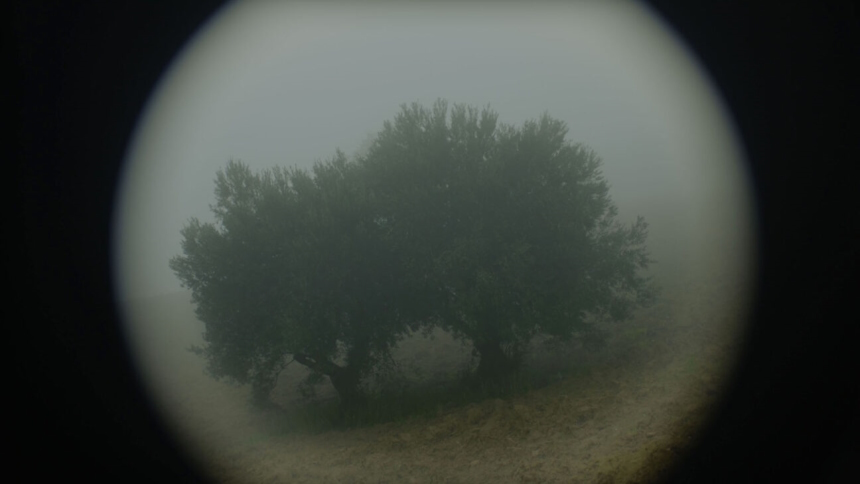
His latest is a documentary art project about the Holocaust. Yes, that could go in any direction, but Kosakowski found an interesting angle: our mental image of the Holocaust is probably based on the numerous depictions of it we have seen. So he started researching the way filmmakers have shown us this for the past 80 years, and he made a montage of thousands of films, documentaries, shorts. The screenshot above is an example of how much of Holofiction looks: similar views of returning topics and themes in a multitude of films. Together telling not just a story, but how that story is told to us. And Rotterdam audiences were impressed.
16: Amrum (4.420 out of 5)
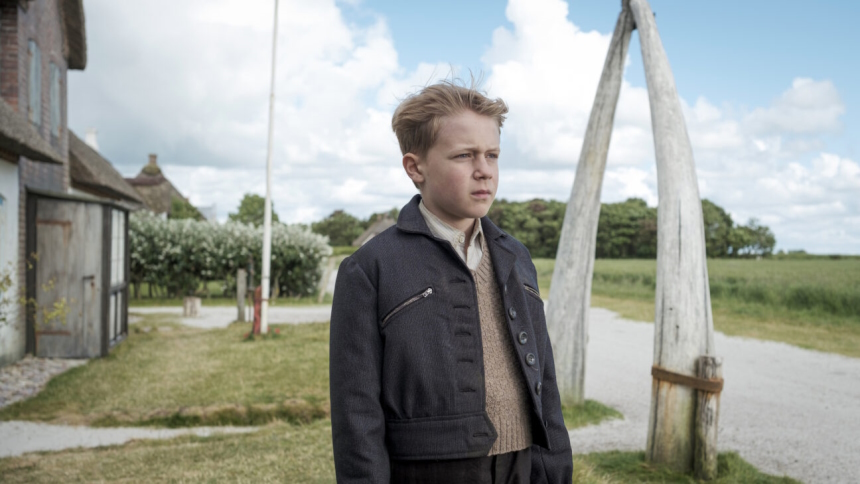
Germany has a few islands, and Fatih Akin's film describes the life of a boy there at the end of the second World War. The entire island is fiercely pro-Nazi, including the boy's parents, and their world shatters when Germany loses the war. Loosely based on the childhood of German director Hark Bohm, who died last November but was famous for many award-winning films for children during the seventies.
15: A Fading Man (4.422 out of 5)
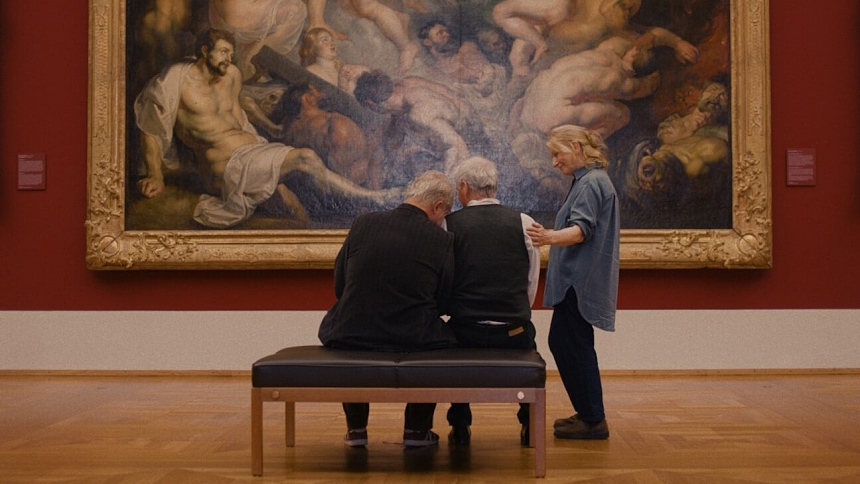
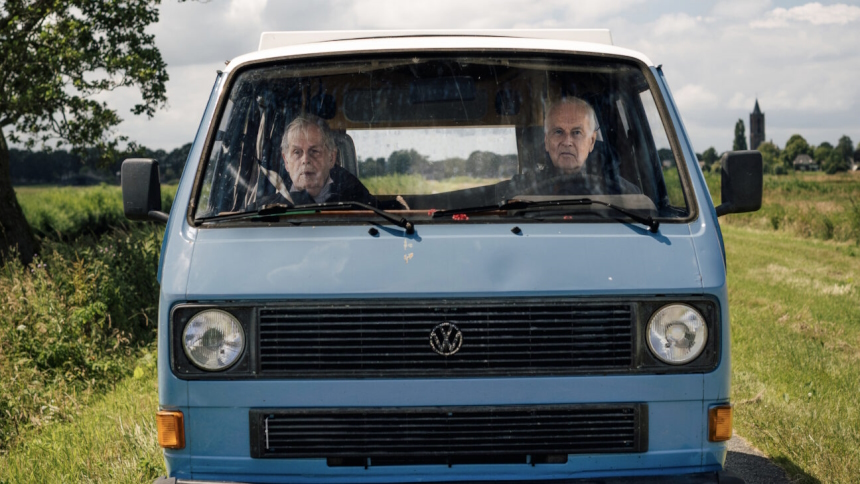
In Welf Reinhart's gentle drama, a woman gets an unexpected visit from her ex-husband. The man suffers from dementia, cannot recall he divorced her years ago, and doesn't understand why there is another partner in the apartment. After the initial shock wears off, the three start exploring a friendship which can be meaningful for all.
14: The History of Sound (4.423 out of 5)
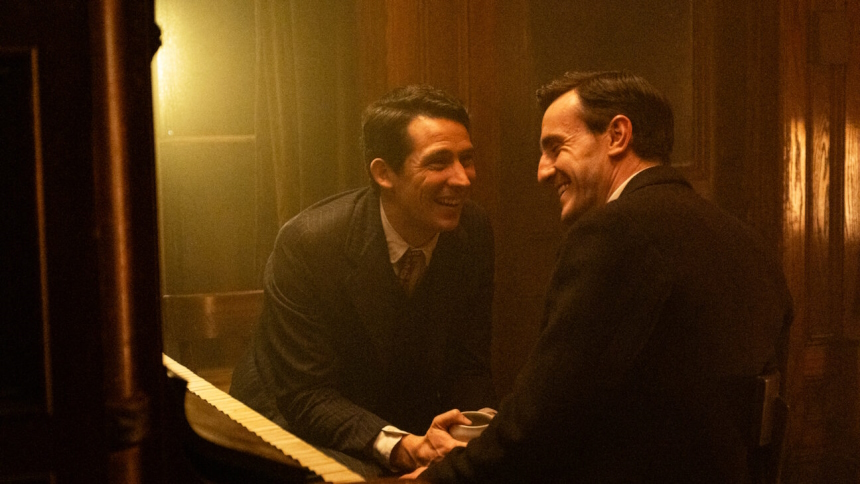
Paul Mescal and Josh O’Connor play two musicians who start recording old folk songs in the United States during World War One, and start a relationship. There is more (well, not MUCH more...), but the focus is on the music..
13: Why Do I See You in Everything? (4.429 out of 5)
An interesting hybrid of narrative and documentary, Rand Abou Fakher's debut feature follows two Syrian refugees who have been friends since they were children. One of them manages to return to post-Assad Syria, but his accounts of what he sees there are hardly euphoric...
12: Sundays (4.453 out of 5)
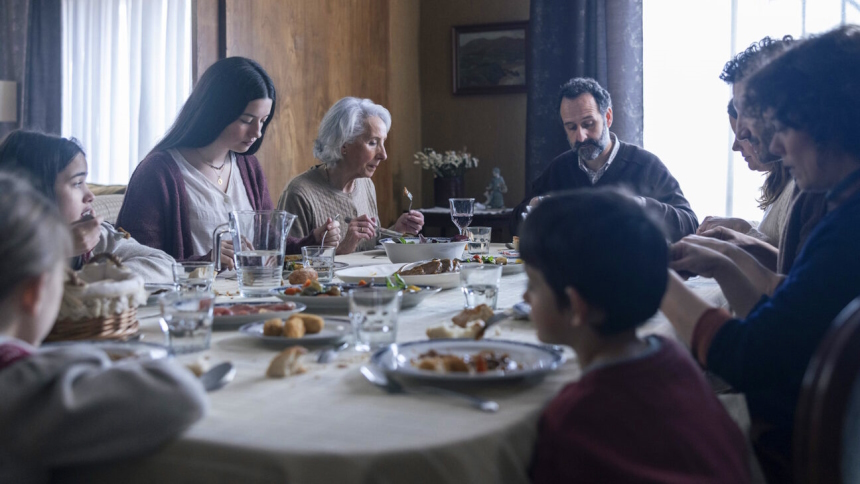
Alauda Ruiz de Azúa wrote and directed this drama, which is about a modern family in Spain where everything is normal and all-right until a teenage daughter says she has a calling and wants to become a nun. Is it a whim? Puberty? Is she being influenced or coerced by the Catholic school she attends? Opinions clash and old, hidden wounds in the family reopen..
11: Tunnels: Sun in the Dark (4.458 out of 5)
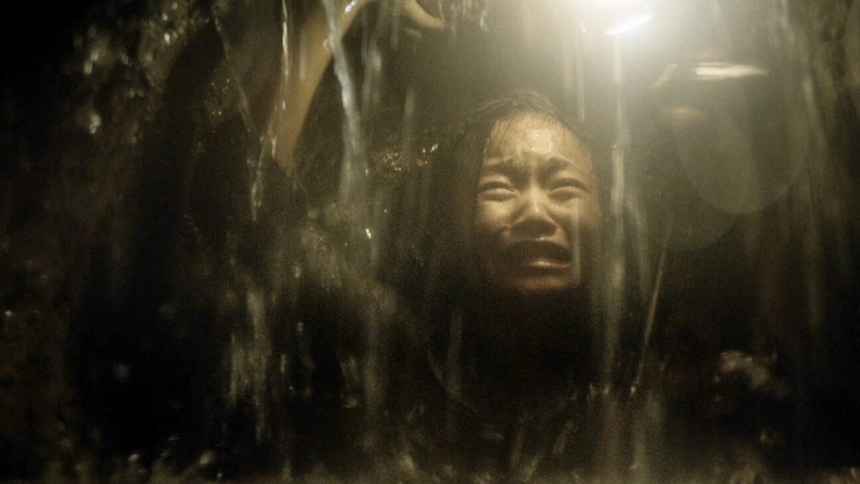
We've all seen plenty of Vietnam war films, but this one is actually from Vietnam. Based on actual missions during the war, director Bùi Thạc Chuyên filmed at the actual locations (the real Cu Chi-tunnel systems) and used several historical characters for his narrative. A local community must use the tunnel system to keep several Vietnamese intelligence officers safe during an attack from the Americans. Bombs, swamp water, claustrophobia and the ever-present danger of discovery make it a harrowing affair.
10: Palestine 36 (4.459 out of 5)
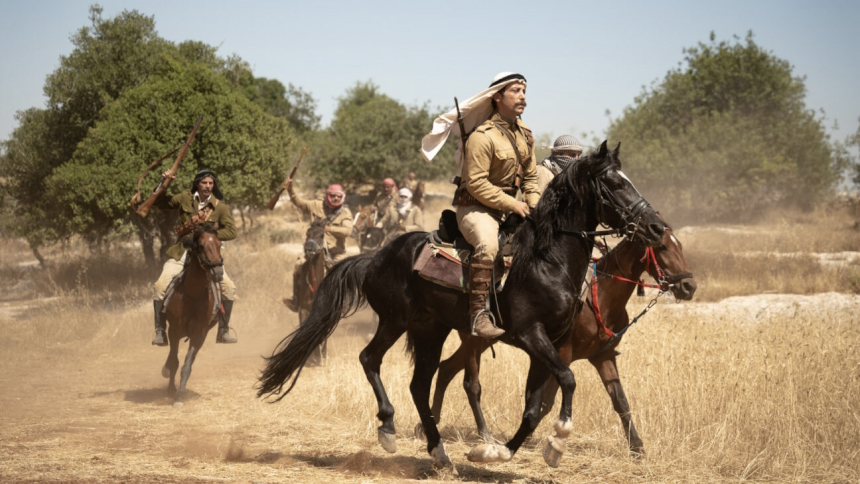
While some people seem to think there were no people in Palestine prior to the second World War, it was a country that existed, and was ruled by the British. Director Annemarie Jacir shows in her film a famous uprising which happened in 1936, against the cruel British colonists who allowed Zionists to build settlements, chasing away the people who lived there. Given the subject it is a relatively star-studded film. Hello, Jeremy Irons!
9: 58th (4.485 out of 5)
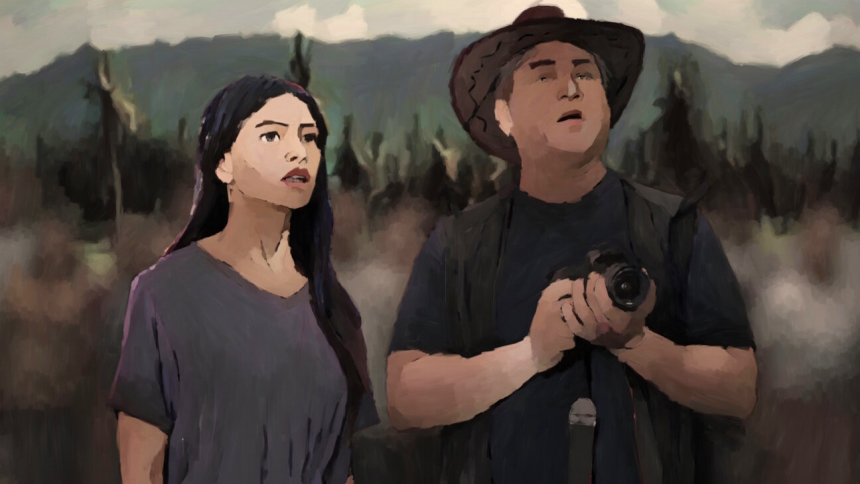
Carl Joseph Papa made a documentary about a bizarre incident during the 2009 Philippine elections, in which a fanatically government-allied ruling family killed politician Esmael Mangudadatu, his wife, his two sisters, and entire entourage including lawyers, journalists and several people who happened to witness the event. Told mostly from the viewpoint of one of the victim's daughter, Papa uses a mixture of historical footage and animation to show what happened.
8: Sore: A Wife from the Future (4.493 out of 5)
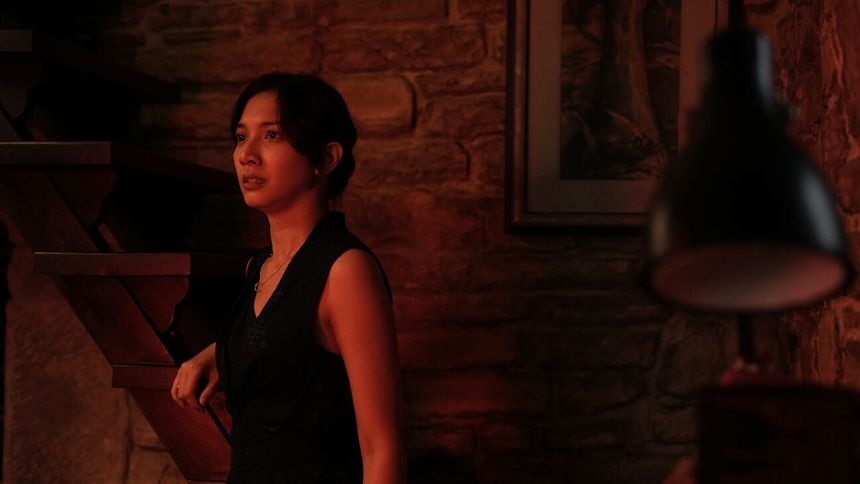
In this romantic Indonesian drama with a science-fiction slant, a man keeps meeting his future companion whenever he is in trouble. He loves her but is told he has to change if he wants to get into the time-line where they will actually will get together as man and wife. Will he change? Can he change? And what are her intentions? Why is she luring him specifically towards her future self? Director Yandy Laurens makes this a fun fairy-tale without focusing too much on the technical details of time travel.
7: Between Brothers (4.520 out of 5)
I know it's an International Film Festival, but are there no Dutch films in the top-20 at all?! Fear not, Dutch director Tom Fassaert comes to the rescue.
He made a documentary about his father Rob and his uncle René. Their relationship is rather special: Rob is a retired psychiatrist, René is a psychiatric patient under treatment, a compulsive hoarder who lives secluded from society. Together, the two men try and finds out why Tom's grandfather (their father) abandoned them at birth, leading to several funny, weird and poignant situations.
6: Sirāt (4.528 out of 5)
One of the most overwhelming films of the year, this one needs a venue with a really good sound to do it justice. Seriously, if you still have kidney-stones after seeing this, it wasn't tuned right. Colleague Kurt Halfyard told me it is "the perfect centre of the VENN diagram of: Mad Max Fury Road, Sorcerer, Beau Travail, and The Sheltering Sky". Curious? You should be.
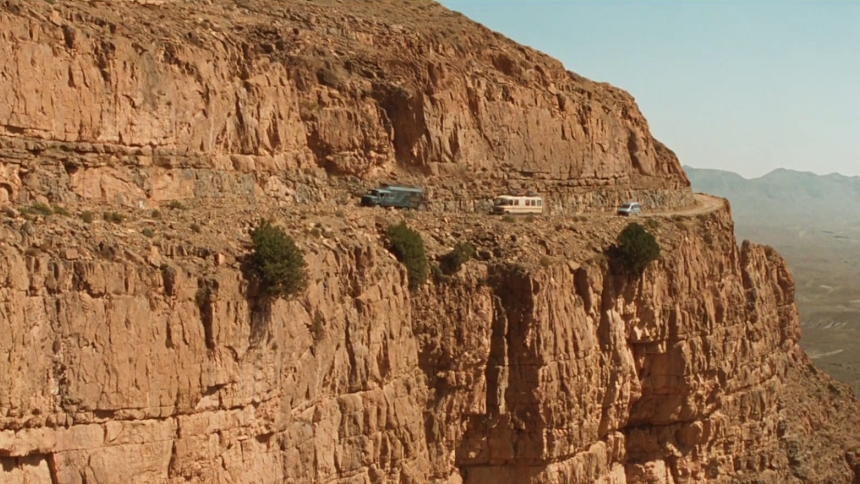
"Sirât is best approached without prior knowledge, as its impact deepens when experienced without expectations. (...) What begins as a family drama gradually transforms into a survival expedition that transcends physical terrain. While geopolitical tensions remain embedded in the backdrop, director Laxe guides the viewer across a narrow psychological and metaphysical threshold, one that takes on a literal and gut-wrenching form in the harrowing finale." This is what Martin Kudlac says in his review and he is right. Just know that it is about a father who takes his young son with him into the Moroccan desert to look for his daughter, and who joins a few ravers on a caravan tour to a concert somewhere at the border with Mauritania. Let the rest wash over you.
5: Badak (4.573 out of 5)
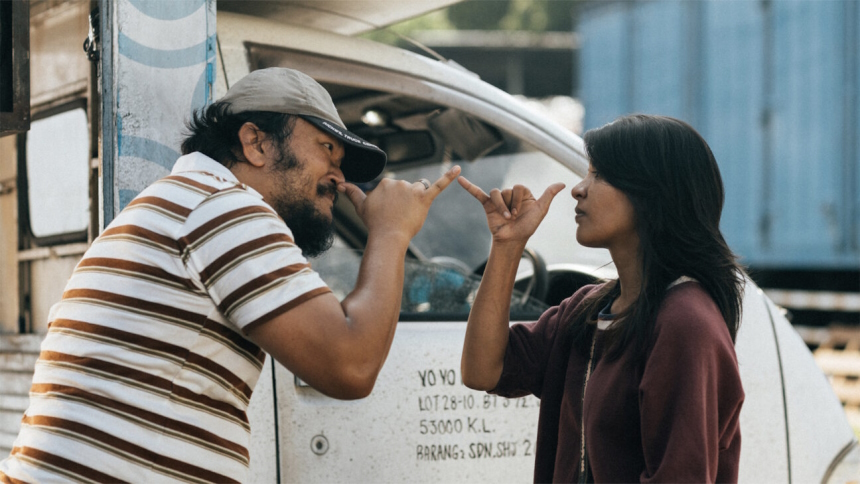
Two years ago, Singaporean director M. Raihan Halim closed the Rotterdam festival with her fun drama La Luna (reviewed here), and she was back with another film about changing times. In Badak we follow the rising popstar Mirah, in Malaysia's capital Kuala Lumpur. As her career takes off, her deaf father more and more needs her help to run a food stand. Will Mirah need to choose between her heart or her family, or will she be able to reconcile the two?
4: Habibi Hussein (4.664 out of 5)
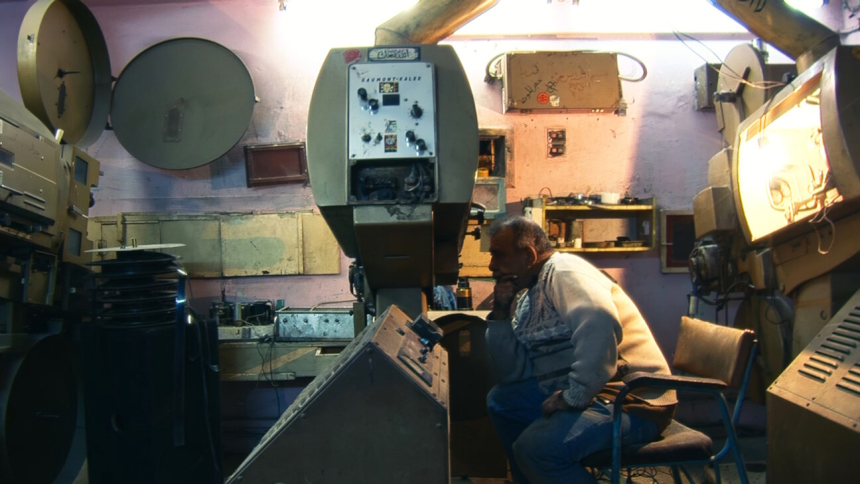
Hussein Darby plays himself, a projectionist trying to get a cinema going in the Palestinian city of Jenin. Money from foreign benefactors briefly make it possible for a cinema to be re-opened, but Hussein, despite being by far the most knowledgeable guy on the project, is constantly belittled by the Europeans. Director Alex Bakri doesn't hide his disgust and why should he? This all did happen, back in 2011.
3: Home (4.665 out of 5)
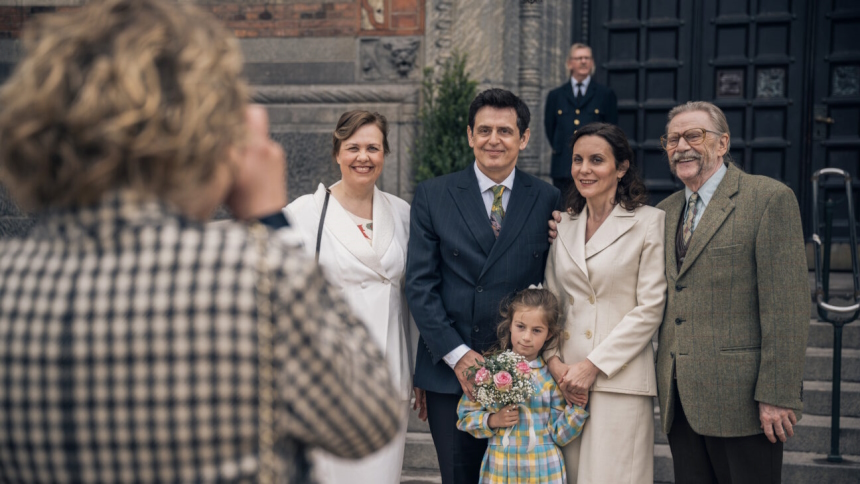
Director Marijana Janković left her homeland of Serbia (then Yugoslav) as a six-years-old, when her family moved to Denmark. In Janković' film, a young girl called Maja has the same thing happening to her. Denmark isn't the nastiest of countries, but still the family has trouble settling and coping with their new environment. As Maja grows up, she sees the differences between her two home countries.
2: The Seoul Guardians (4.718 out of 5)
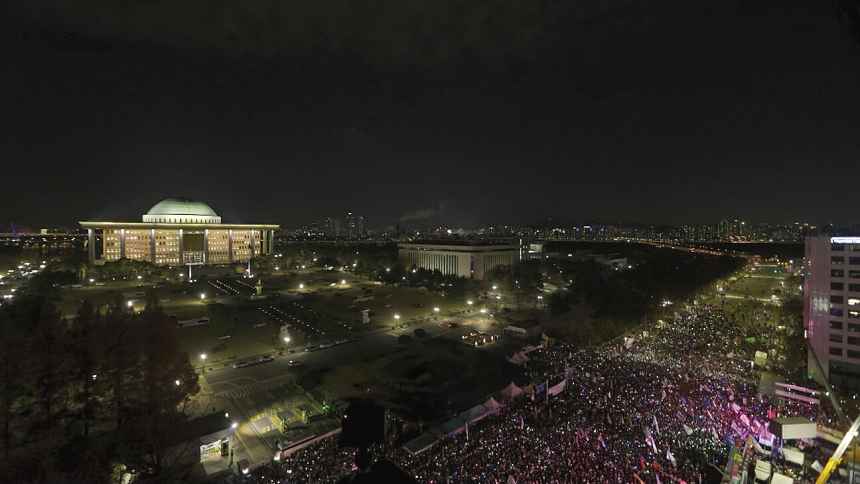
In 2024, South Korean President Yoon Suk Yeol declared martial law for political reasons, hoping to hamstring his opposition by denying anyone access to parliament. But a veritable army of civilians and police abruptly charged the Government buildings in protest, ending Yoon's career and stopping a slide towards a dictatorship.
Directors Kim Jong-woo, Kim Shin-wan and Cho Chul-young all got their camera's out when martial law was declared, ran out into the streets, and managed to record the proceedings of the next six hours from within the crowds. This resulted in an astonishing inside-view of how a power-grab was prevented. I unfortunately missed it (it sold out at record speed) but heard from audiences that this was a very tense affair.
1: I Swear (4.814 out of 5)
If, like I stated earlier, there are always a few people who vote a 3 on their ballot, how many 5s do you need to get to an average of 4.8?!
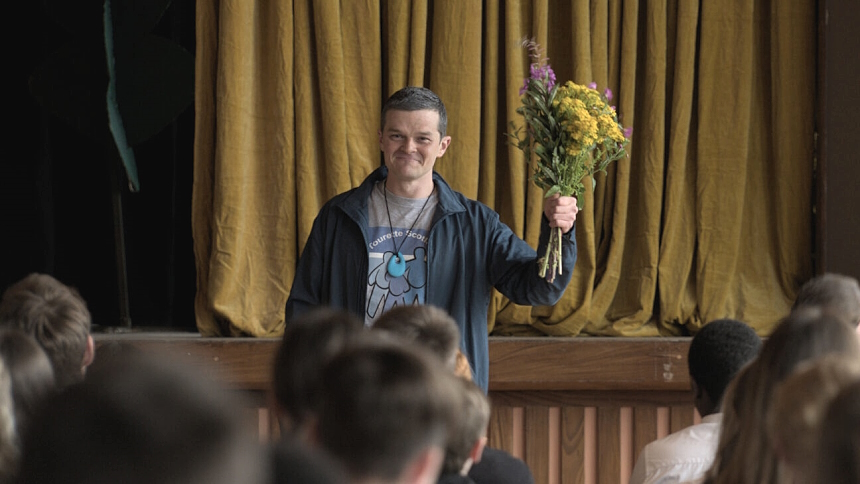
It's easy to file this film under "Oscar-bait" (or any other award-bait for that matter), but I Swear not only appeals to a wide audience, it's also very good. Starting with lead actor Robert Aramayo, who does an incredible job portraying John Davidson, a man suffering from one of the worst kinds of Tourette's Syndrom. The film shows Davidson's struggles growing up, and how he starts helping other people with Tourette's.
The script doesn't sugar-coat the affliction, shows its effects, and shows how John Davidson can count himself lucky for having some cast-iron friends in his life. You can read my full review here. In it, I wrote: "I'm not fond of biopics but I Swear is a crowdpleaser. It is also one of the best films of the year and I expect to see it pop up in some Top-10 lists later."