
Sundance 2026 Interview: BURN Writer-Director Makoto Nagahisa Wants His Sophomore Feature To Affect You

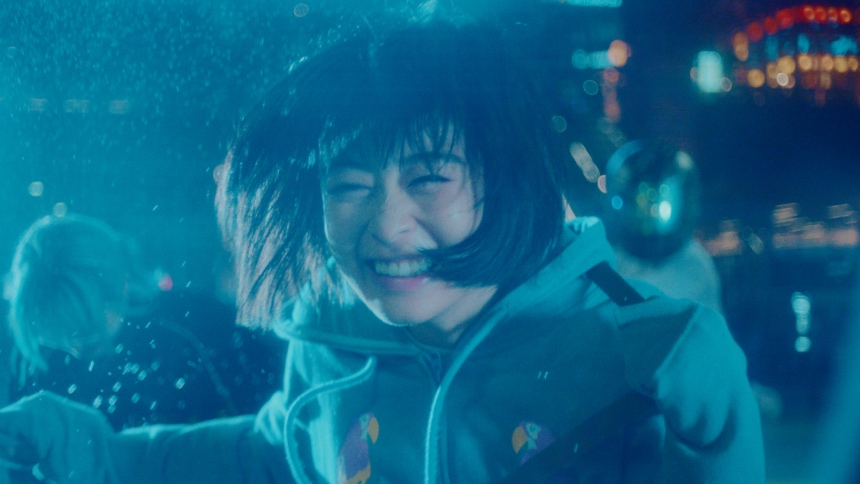
Lit in a pulsing neon glow, a teenage girl nicknamed Ju-Ju (Nana Mori) burns Shinjuku to the ground. What led her to do it?
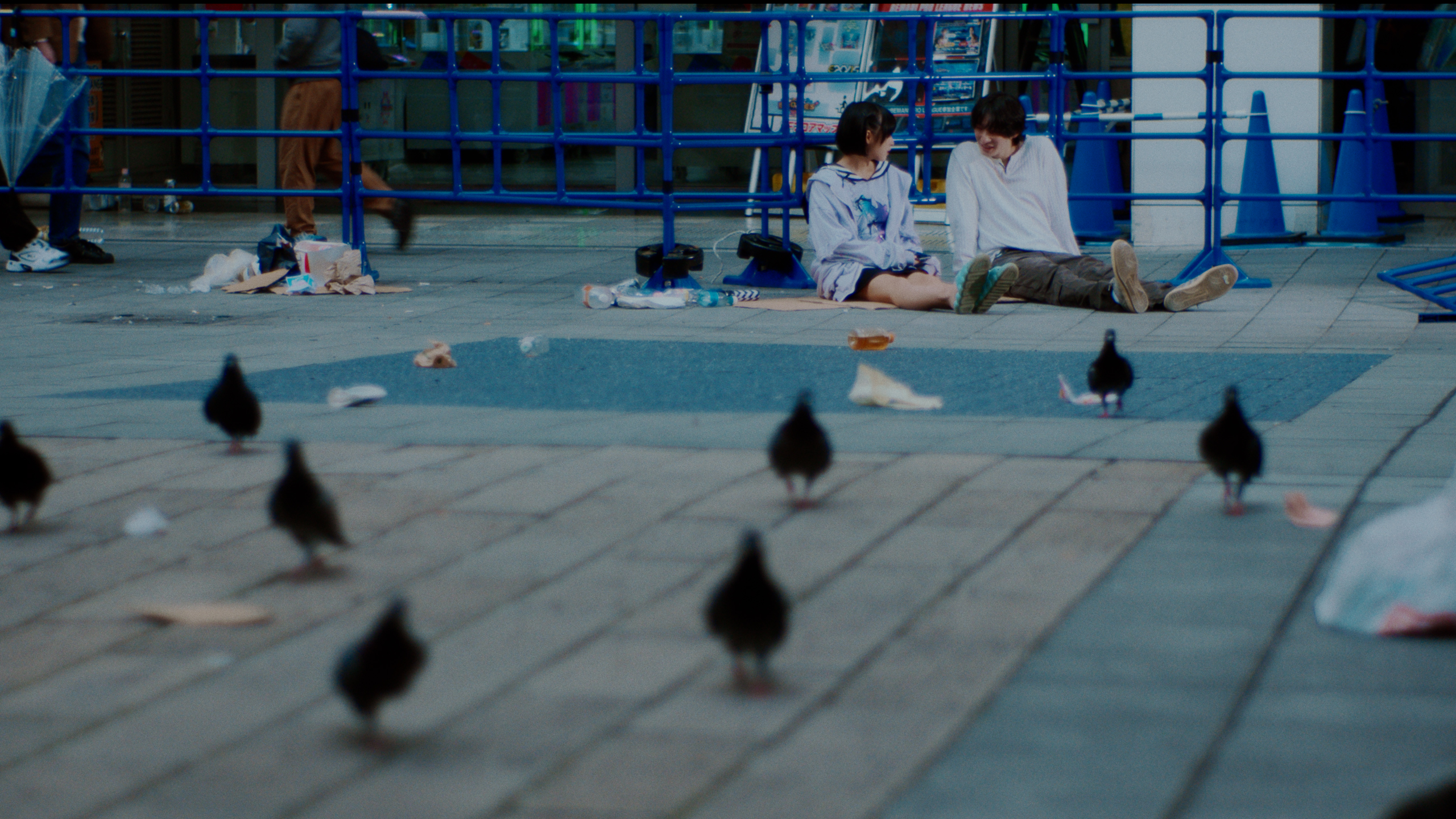
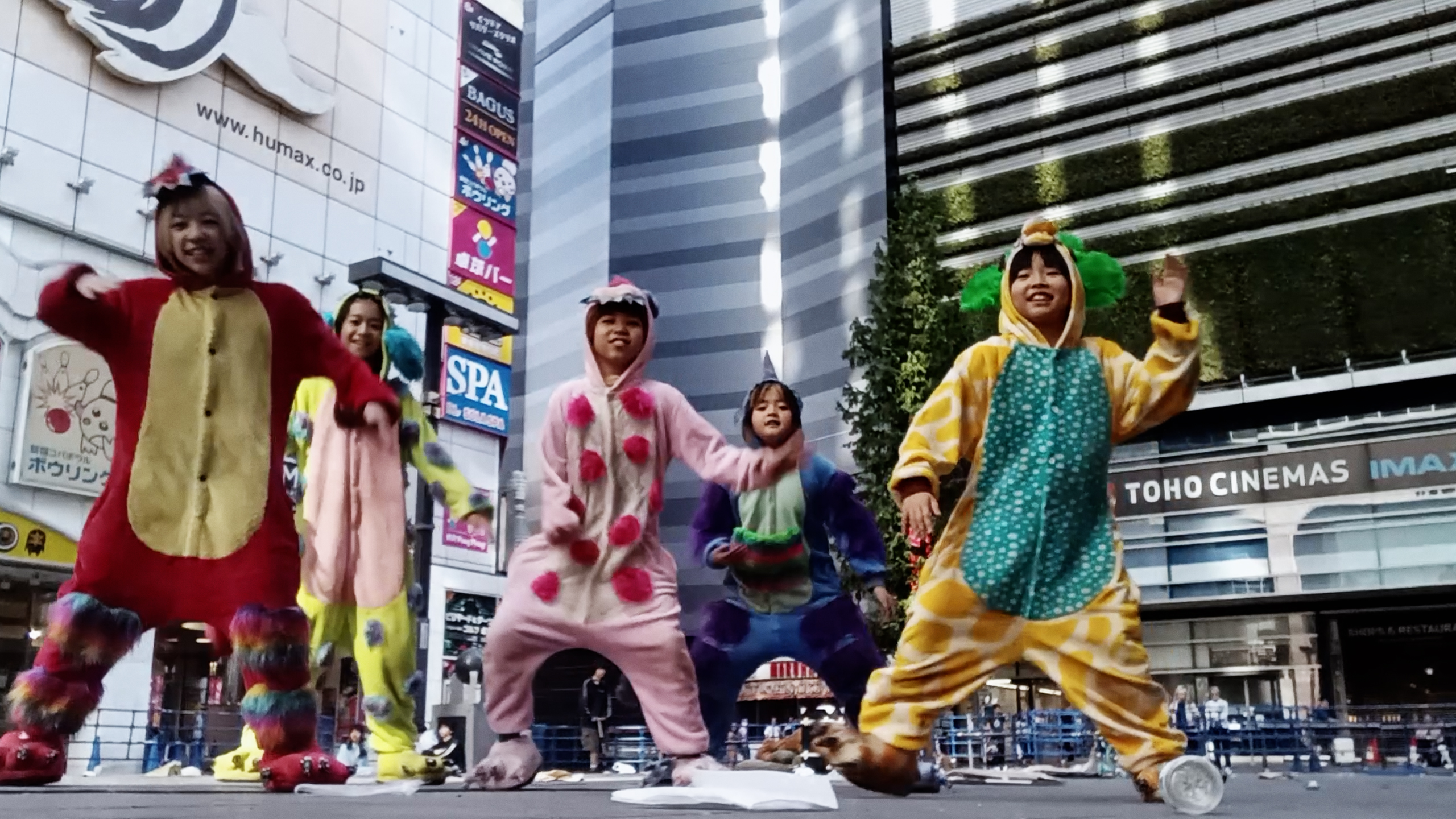
Makoto Nagahisa's haunting urban drama BURN probes the discomforting situations that befall the neglected youth of Kabukicho. Dubbed "Tōyoko kids" for their proximity to the Shinjuku Toho Theatre, they can be found hanging around the centre of the entertainment district's square, encircled by blue barriers. Ju-Ju runs from the parental abuse she suffers back home into the welcoming arms of this inner city group -- but every comfort comes with a cost.
BURN premiered this week at Sundance, and marks Nagahisa's return to the festival that launched his career - his first short And So We Put Goldfish in the Pool (2017); first feature We Are Little Zombies (2019); and further short Pisko, the Crab Child is in Love (2023) all screened here in previous editions. Following the first screenings of BURN, we sat down with Nagahisa to talk about the truths behind his sophomore feature, and how he wants his film to affect you.
Screen Anarchy: Congratulations on the film's premiere at Sundance. What was it like being back in Park City with your second feature, and how was the film received by the audience?
Makoto Nagahisa: Well, compared to We Are Little Zombies, I've made a very different, very serious film this time around. So, before the premiere, I was nervous as to how the audience would react. But I think that the audience understood the themes and the highly abstract depictions of what I wanted to illustrate. So I'm really happy. I'm relieved that the audience reacted that way.
I get the sense from watching your films and looking at your filmography as a whole that you care very deeply about the plight of children who are abandoned, who are struggling with issues, who are overlooked by society. What draws you to understand kids' issues to this degree, and why have you made them the focus of your filmmaking career?
Children exist in a very small and very close-knit community, so when something bad happens to them, it amplifies their sadness or anger. I went through a similar situation as a teenager. I hope that, through making these films, I can provide a message to teenagers and children that the world is much bigger than it seems. The sadness that they feel is just temporary, and compared to the greatness of the world, it's only such a small thing.
What sparked your interest in making a film about the Tōyoko kids?
The existence of the Tōyoko kids is quite a big social issue in Tokyo, so it was featured often on the news. But what was being picked up by the media was only a sliver of what was actually happening. The media tended to portray them as 'crazy' kids. I knew that there was something much deeper to the issue. So, I decided to start interviewing these children.
How much of that field interview work informed the characterisations of the ensemble that we see in the film?
I can't list specifics of course, because of privacy issues, but the interviews that I conducted with the children really were the core of constructing all of the characters that you see in the film. There's definitely a lot of reality behind these characters.
Tell me about casting Nana Mori, and how you worked together to bring her into the mindset and the physicality of this character.
I'd seen her in a lot of films. I got the impression that she was a very versatile, almost slime-like actress -- in that she could really transform herself into different characters. I felt she was therefore the perfect fit for playing a Tōyoko kid, because, observing them, I noticed that sometimes they would be really aloof and at other times they'd be the opposite. There was a wide array of emotions that the actress would have to portray.
As for how she got into character - she actually relocated very close to where the children were living. She was really observing them closely, and she tried to live as much like them as she could. She even changed her eating habits so that they resembled what the Tōyoko kids eat.
There's a dynamism and a daring nature to your filmmaking and its choice of subject matter that we saw a lot of in Japanese cinema in the mid 2000s, but isn't so common currently. Do you feel like you are going against the grain as a filmmaker when you look at the current Japanese cinema landscape?
I do feel I go against the current landscape, yes. Japanese cinema has become a bit sappy, especially in the past ten years. I definitely feel influenced by early 2000s Japanese cinema, but if I had to pinpoint the era that I am most influenced by, I would say the 1980s. Back in the 1980s, there were a lot of really dynamic films being made - it was very explosive. I'd like to think that I am building on that era's work.
The second act of this film takes a turn into the topic of paid sex, with many scenes of sexual encounters condensed together in rapid succession. I'd like to ask, was Hideaki Anno's film LOVE AND POP influential on your approach with these sequences?
There's certainly similarities between Burn and Love and Pop, because of what the film depicts - sexual slavery and whatnot. But I wouldn't say that I was directly influenced by it, and by no means was I trying to recreate that film. That said, I do love Love and Pop.
What fascinates me most about BURN are these lapses that the film makes into digital realms. To me, they read as a very modern kind of magical realism. Could you tell me how you went about crafting these digital dioramas? Is this 3D room capture, or scanning?
In terms of how it was made, we made 3D scans of the environments that the actors were in. We had the actors freeze in position for about five, ten minutes. We scanned the room with smartphones. And then we added camera work onto that later on.
For me, the real world itself is a bit too high definition. I feel more comfortable when it's a little low quality. I think that, for the Toyoko kids, the world is filled with just too much information - it's too detailed. And they probably have to live squinting a little bit, in order to avoid seeing and absorbing everything that they experience. The lo-fi quality of the aesthetics reflects those kinds of feelings.
The premise and title of the film is BURN. Was the digital nature of the finale in your mind from the start of the process, or did it emerge as you went along?
In terms of how to visually depict the city burning, I had no idea how I was going to do it. It was a work in progress. As I went along, I came up with more ideas, and I experimented. It really wasn't until post-production, when we were grading, that we landed on the final idea that I wanted to go with. From the beginning though, there was definitely an idea of Ju-Ju's silhouette with fire in the background. But that on its own wasn't really enough. The elements that were required to fully depict that scene developed as we worked on the film.
Tell me about the film's original score. I found it viscerally impactful and affecting.
The whole soundtrack was created by a techno group called LAUSBUB. They're about 20, 21 - they're still very young. I felt that the easiest way of soundtracking Tōyoko kids would have been to use pop music, because that's the music that's being listened to within their community. But I also thought that, in order to illustrate their various emotions -- and also the dark side of what they go through -- the music had to be dark too. And I wanted to make sure that the music was composed by someone young, who could really relate to these kids.
The original theme song that plays over the end credits is important also. I actually wrote the lyrics to that song before I even worked on the screenplay. It was kind of the starting point to this entire project, and it really captures everything that I wanted to illustrate in this film. The song is performed by the vocaloid Hatsune Miku. To have human thoughts be performed by a virtual artist amplifies this feeling that Tōyoko kids go through. I like the conversation between the two, and I feel it illustrates their emotions.
You're a very people-focused filmmaker, so I'd love to know what making this project has taught you about yourself and others.
Connections between people are important, but I don't feel those connections necessarily have to be deep ones. I believe there are some things that can be gained from superficial connections. Tōyoko kids are not deeply connected with each other, yet they still help one another. I think I was able to learn something meaningful about those superficial connections from making this project.
This is a film that runs the gamut of human emotion, but it's also fairly bleak. It leads me to ask you, as a final question: what feeling would you like your audience to leave with when they walk away from the film? How do you want them to be feeling or thinking?
If, say, a hundred people watched the film, I'd want each of them to have their own individual take-away from it - for each of them to feel a different emotion. For example, if one person walks away with only the Chihuahua scene in their head, that's fine. Maybe it's the sexual scenes, or the abuse that Juju receives from her father. Whatever affects that audience member is what I want them to take away with them.
Maybe this is a bit much, but it's just like with the Bible. When you read the Bible, people have different passages that resonate with them. I want this film to be treated similarly by its audience.
BURN premiered at the 2026 Sundance Film Festival. With thanks to Momo Lee for interpreting and to Yuki Fujiwara for additional translation.



Stream Burn

More about We Are Little Zombies
- Review: WE ARE LITTLE ZOMBIES, Far From This Sad World
- WE ARE LITTLE ZOMBIES Confirms Theatrical Release Date
- Feast on WE ARE LITTLE ZOMBIES New Trailer, Poster, Digital Coloring Book
- Fantasia 2019: Massive First Wave of Titles Announced
- Sundance 2019 Review: WE ARE LITTLE ZOMBIES, A Stylized 8-bit Ode To Isolation


