ScreenAnarchy Crew's Best of 2011: Best Use of Music


The ScreenAnarchy contributors run through the films that were able to deploy music with skill and precision in 2011.
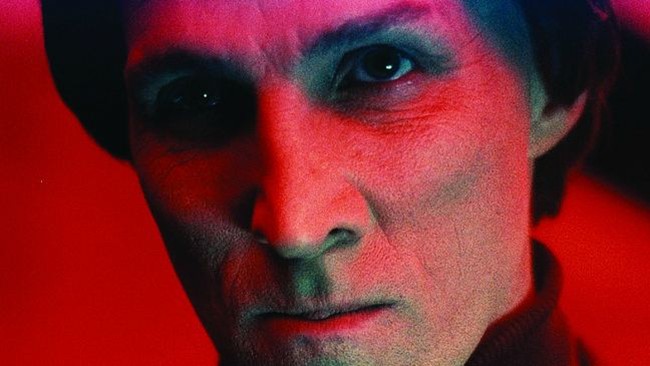
Beyond The Black Rainbow (Canada)
Director: Panos Cosmatos
by Todd Brown
Scifi headtrip Beyond The Black Rainbow doesn't just use music as accompaniment, instead director Panos Cosmatos enlisted the help of Black Mountain keyboardist Jeremy Schmidt to create a full multi-sensory experience. The sound is every bit as important as the visuals here and both are absolutely fantastic. The only question, really, is when the score will be available to purchase.
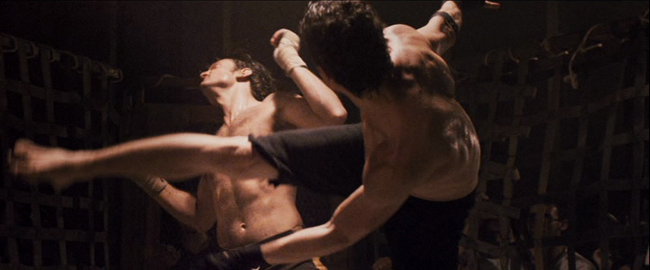
Brawler
Director: Chris Sivertson
by Sean Smithson
An odd-duck pick for this category, but I'll be damned if this fight flick didn't buck all convention, and pull off what a lot of movies can't and that's using rock, blues, folk and indie music to create an organic pastiche of moods throughout the film. For 20 years I've been burnt out on modern music being used in films instead of orchestral scores. It dates them tragically, and is really a tool to push CD units rather than enhance the artists' visions. Brawler is an exception to the rule, and the inclusion of modern, or "popular" music (to use the term loosely) actually deepens the cultural vibe of the film, which takes place in New Orleans, without using the obvious Zydeco as a go-to indicator. New Orleans' musical tastes reach much farther than an accordion and a woman singing in Cajun. The cue choices in Brawler reflect that, and the odd times when the music is used as juxtaposition are also pretty brilliant. The crushing electric guitar during a sex scene adds a strange, almost celebratory nature to the moment. Truly odd, but truly cool. If the names Day Creeper, The Melvins, Lost Bayou Gamblers, Helms Alee, Ethan Miller, and Patrick Michot mean anything to you, you'll find them making their noise here. If not? We'll hope for an official soundtrack at some point.
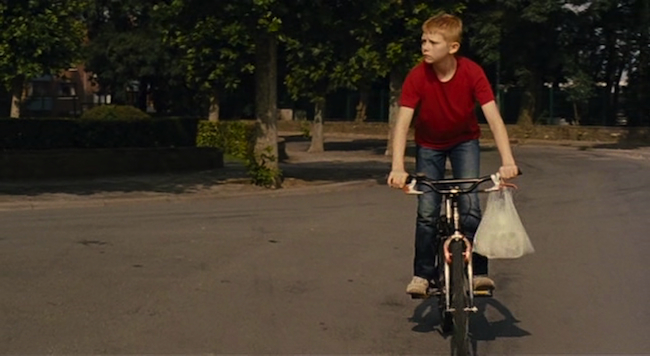
The Kid With A Bike (Belgium, France, Italyl)
Director: Jean-Pierre & Luc Dardenne
by Ben Umstead
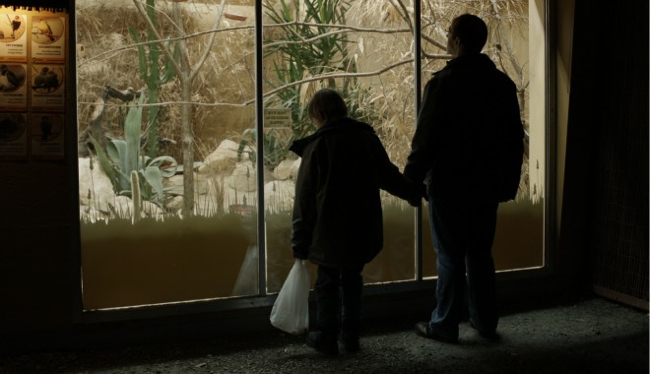
Famous for their tales of youth marred by misfortune, the Belgian brothers shoot with an unsentimental eye that seems to hold no place for music. But lo and behold their latest about a boy named Cyril, and his journey to find a loving home, features short selections from Beethoven's Piano Concerto no. 5. Used as structural accents, (kind of like curtain calls) at the beginning of each of the film's 3 acts, the music's simple placement is astounding in affect. Despite the bittersweet (and perhaps overly famous) nature of the piece, there is no forcing of sentiment here. The music does not exaggerate the action onscreen, it gently highlights Cyril's growth, comforting him in these transitional moments of unrest.
Runner Up: Melancholia (Music: Richard Wagner's "Tristan unde Isolde" prelude)
Kshay (India)
Director: Karan Gour
by Josh Hurtado
India is my beat at ScreenAnarchy, and as such, I come across probably more film music than any of my colleagues here at the site. My pick for best use of music this year doesn't come from a big masala spectacle, though, but an independent Hindi film about obsession. Karan Gour not only directed and wrote the film, he also composed the beautiful and haunting score that ratchets up the tension increasingly as the film nears its apex of insanity. The best music of the year comes from India every year, but not always the places you're expecting.
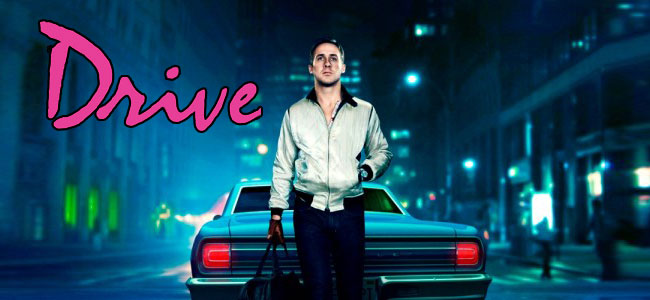
Drive
Director: Nicolas Winding Refn
by Joshua Chaplinsky
I know, I know... Everyone's gonna pick this one, right? How original of me.
Don't get me wrong, there were plenty of other strong contenders- Shame, The Girl With The Dragon Tattoo, Melancholia- but Drive is the only film whose soundtrack guides the hands of the director like an invisible Patrick Swayze. Strip away the 80's chic and this clay pot of a film is just a generic noir story.
Its melding of sight and sound is made all the more special if you know that it was conceived during an awkward Hollywood meet-and-greet between director Nicolas Winding Refn and super-hunk thespian Ryan Gosling. The license-less Refn was tripping balls on flu meds and demanded his date take him home mid-dinner. Not a word was spoken during the drive, that is until REO Speedwagon's "Can't Fight This Feeling" came on the radio and Refn started blubbering along at the top of his lungs. For whatever reason, Gosling joined in. "I KNOW WHAT DRIVE IS," Refn shouted. "It's going to be about a man who drives around at night listening to pop music because that is his emotional release." The rest, dear readers, is cine-soundtrack history.
Ryland Aldrich's take:
It's pretty difficult for me to come up with many categories my big numero uno film of 2011, Drive, doesn't deserve. "Use of Music," however, is one of the easiest to hand it. From the first notes of Kavinsky & Lovefoxxx's pounding "Nightcall" over the fluorescent credits, it's pretty obvious the score is setting the stage for an intense and very stylish film. The man responsible for the majority of the film's music is composer Cliff Martinez. A quick look at his resume reveals such films as Traffic, The Fifth Element and Pump Up the Volume for the former Red Hot Chili Peppers drummer. His score is moody and stylish and perfectly enhances the feel of this awesome film.
Ryland's review: DRIVE is the No Nonsense Action Film You've Been Waiting For
Michael (Austria)
Director: Markus Schleinzer
by James Marsh
Far from my favorite film of the year, Markus Schleinzer's directorial debut was the first film I saw at Fantastic Fest last September and it has stayed with me ever since. The banal, understated story of a suburban pedophile who keeps a ten-year-old boy locked in his basement is at times shocking and unsettling, but also entertains a pitch black sense of humor that works no better than in the film's closing moments. Not to spoil the surprise, but the end credits to Michael are accompanied by Boney M's hit "Sunny," (a callback to a moment earlier in the film), and quite frankly it is a masterstroke from Schleinzer. It ensures that his audience leaves with a smile on their faces and a spring in their step after enduring a pretty slow and unpleasant film.
Small Town Murder Songs (Canada)
Director: Ed Gass-Donnelly
by Shelagh M Rowan-Legg
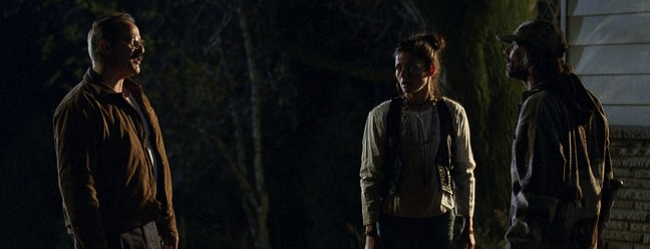
Some directors want a soundtrack to blend into a film so it's barely noticeable; others pick songs at random because they can't be bothered to put much thought into it. For his feature film debut, Ed Gass-Donnelly hired Canadian band Bruce Peninsula to create the music for his haunting and visceral crime thriller. Of course it's right there in the title; but these songs are unexpected, both raw and elegant at the same time, combining folk, blues, and rock that make the songs as much a part of the narrative as the plot. The songs cut right down to the bone (pardon the extended pun); they become an inescapable and runaway train to the darkness at the heart of the story.
Hanna (UK/Germany)
Director: Joe Wright
by Kurt Halfyard
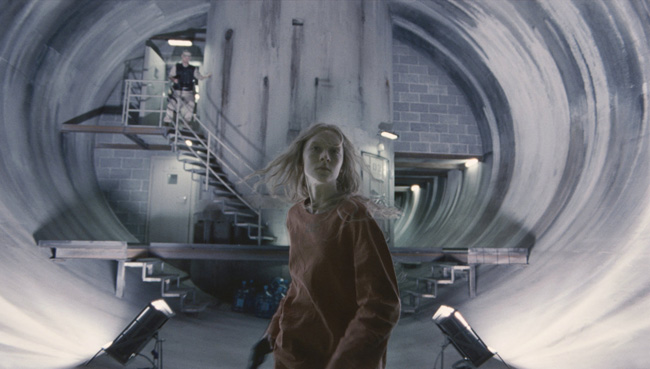
It might not have the power of an individual musical moment (a la Dragon Tattoo's use of Enya) but all the action beats in Hanna are mercilessly driven by the Chemical Brothers particular brand of big beat electronica. Not only does Hanna singlehandedly make The Chemical Brothers relevant again, but the music elevates the movie enormously as well. Ahh, synergy.

Contagion (US)
Steven Soderbergh
by Peter Martin
Cliff Martinez's music pulsates throughout the plague-driven thriller, burbling and sighing and cooing and warning and threatening. Soderbergh raises the volumes or lowers it or mutes it, but it's always there, tying together the disparate geographic locations and the common fears experienced by everyone, no matter their station in life: We could all die. And we probably will.

Beats, Rhymes, & Life: The Travels of A Tribe Called Quest (USA)
Director: Michael Rappaport
by Charles Webb
Michael Rapaport's documentary feature about the rise, fall, and sort-of rise again of early 90's hip hop quartet A Tribe Called Quest isn't just a chronicle of the New York group's career and friendship but an extended love letter to their music. Rappaport is clearly a huge fan of their work and uses individual tracks (and the samples at their root) to weave a story of hip hop ascendancy, of a sound that feels as new and fresh now as it did 20 years ago, and most importantly of an idiosyncratic group of performers who created it. If you don't already own the Tribe's back catalog going into this movie, you'll likely download it or pick it up on vinyl somewhere soon after seeing it.
Charles' Blu-ray Reiew