WOMEN IN BLUE (LAS AZULES) S2 Review: Two Steps Forward, One Step Back
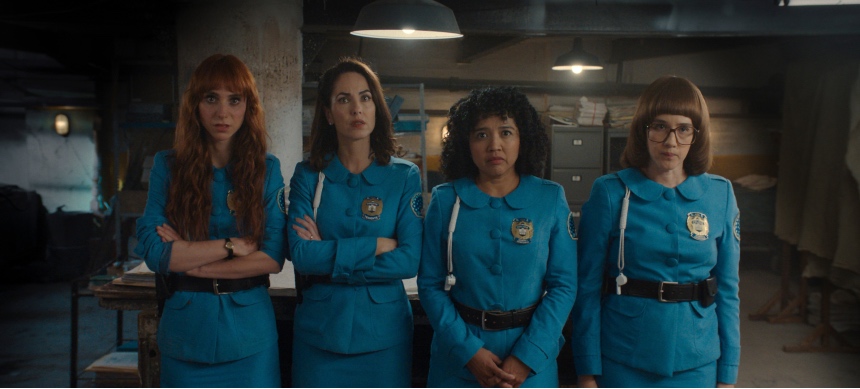
Barbara Mori, Ximena Sariñana, Natalia Téllez and Amorita Rasgado star as Mexico's first female police officers in the series' sophomore season, debuting on Apple TV.


What? Another serial killer? This one, however, is tied to a protest movement against the government amidst accusations of corruption and murder by the police.
Women in Blue (orig. Las Azules) S2
The first episode of Season 2 is now streaming globally, only on Apple TV. Subsequent episodes in the eight-episode season will debut every Wednesday. I've seen all 8 episodes, as well as all 10 episodes of Season 1.
Picking up the story in June 1971, just one month after the conclusion of events in the previous season, Season 2 of Women in Blue (orig. Las Azules) feels very much like Season 1, Part II. (After all, it's only been a month.)
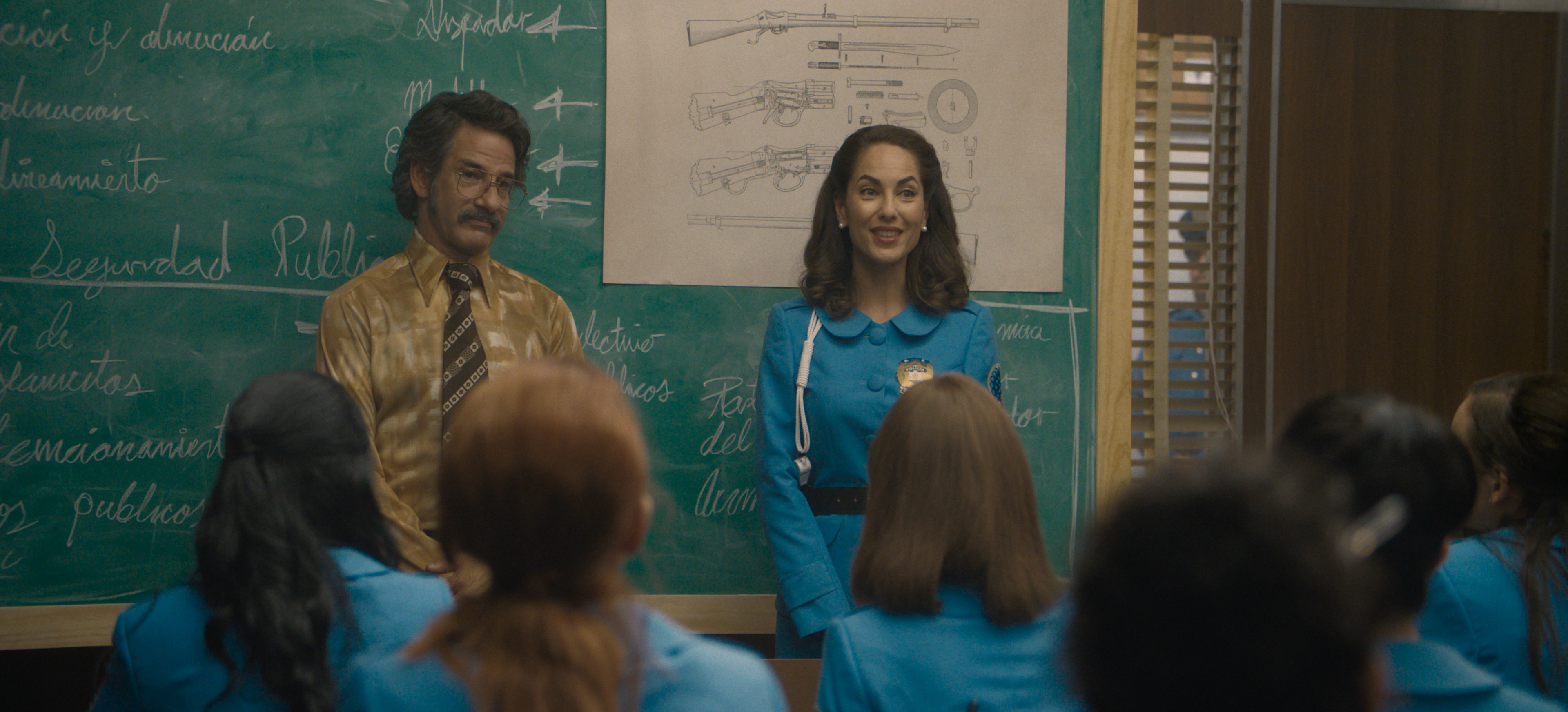
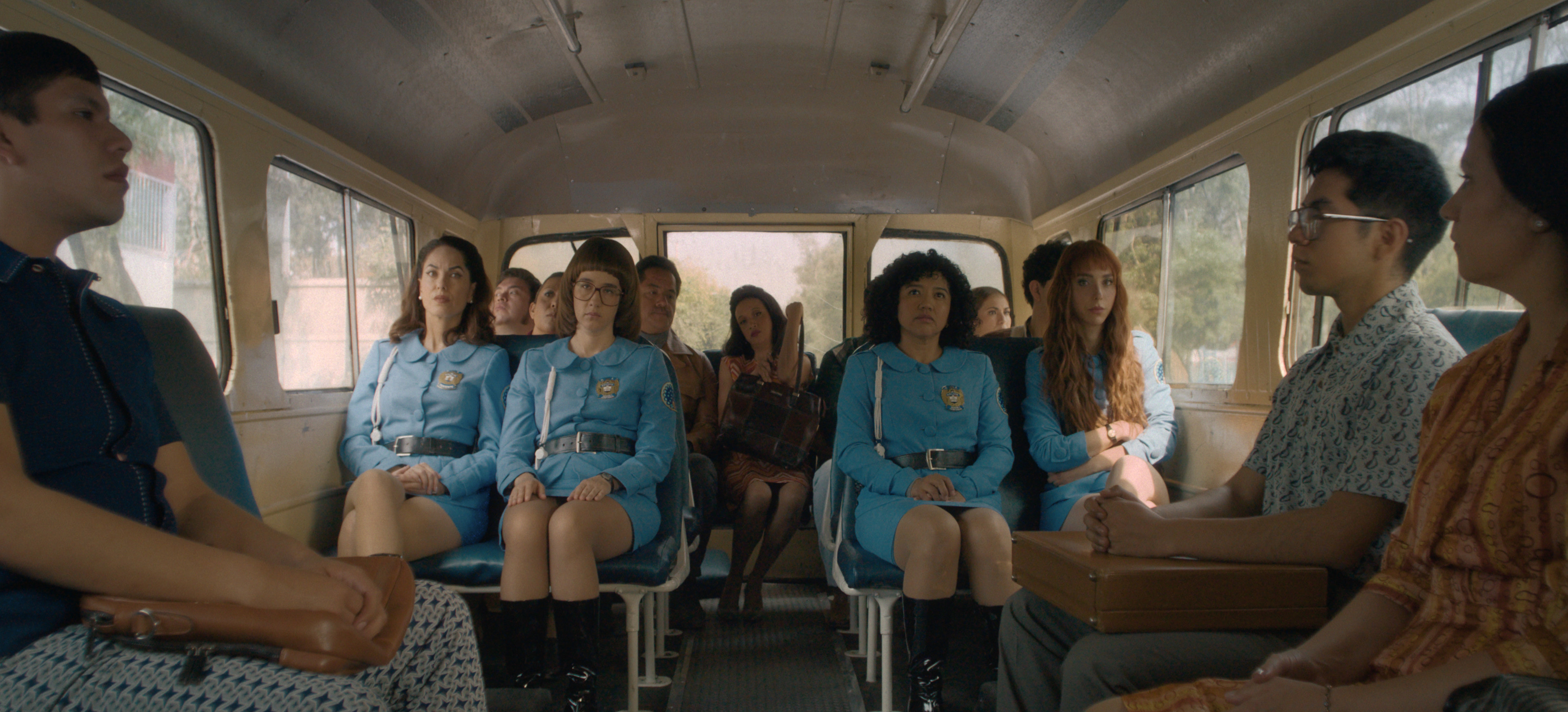
The rampant opposition by nearly all (male) members of Mexico's police force to the first female police officers remains rampant, although those fervent feelings have been tempered somewhat among some by the success of the four-member unit known as Las Azules (Engl. "Women in Blue" for their powder blue uniforms) in solving the case of the serial killer known as the 'Tlalpan Undresser.'
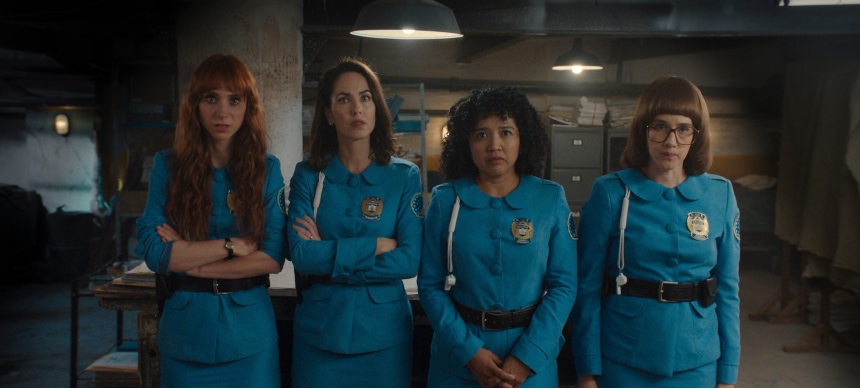
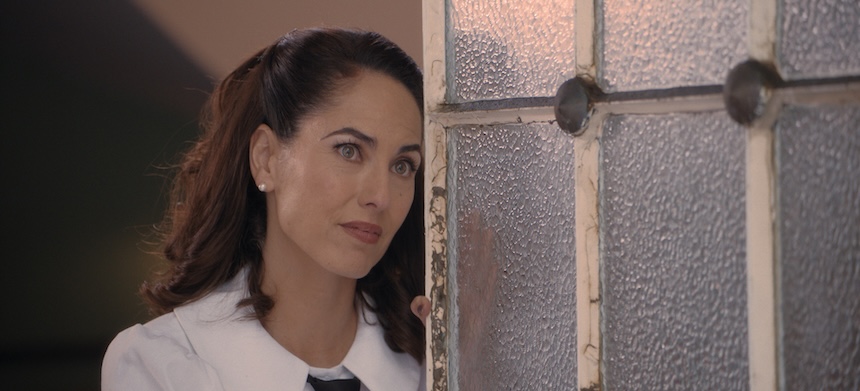
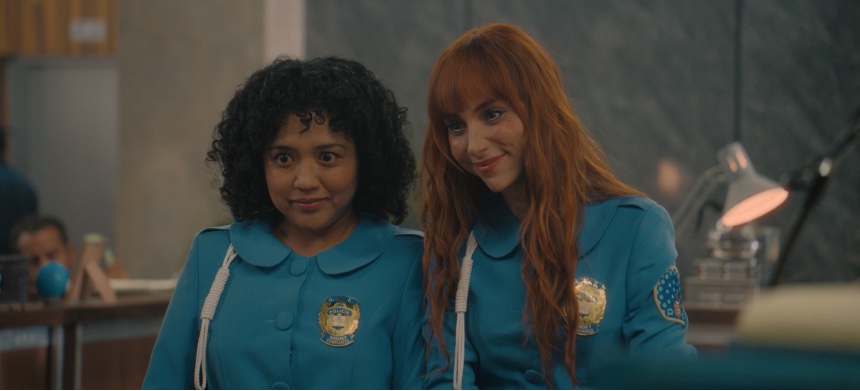
Maria (Barbara Mori) has been promoted to the rank of Lieutenant; her two children are supportive, even after Maria's separation from her longtime husband Alejandro (Leonardo Sbaraglia), who persists in his desire to reunite. Maria's tall and red-haired sister Valentina (Natalia Téllez) maintains her rebellious spirit from her student protester days, and always presses her three fellow officers to take chances and skirt the rules as much as possible so they can do actual police work instead of filing all the time.
Gabina (Amorita Rasgado) has become even more diligent as a police officer, despite the continued dismissive disapproval of her father, Police General Alfonso Herrera (Mario Zaragoza) and her stern older brother Gilberto (Marco Antonio Aguirre), who is fiercely loyal and obedient to their father.
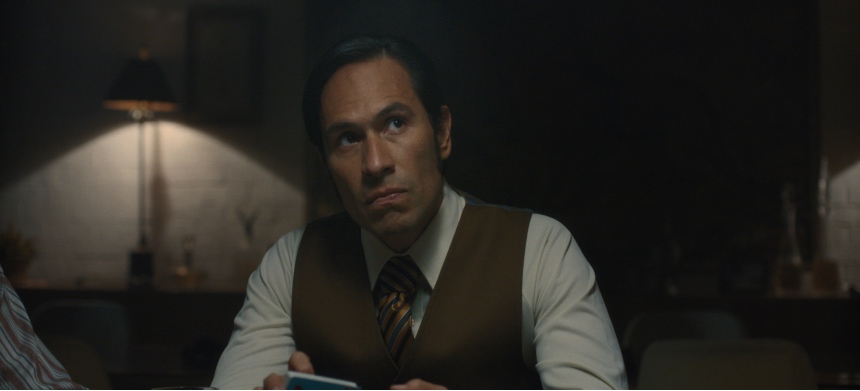
Gabina's oldest brother, Gerardo (Horacio Garcia Rojas), a senior detective, is more accepting and respectful of her motives, since he's seen the quality of the work she is doing. The quiet, intuitive Angeles (Ximena Sariñana) remains unusually insightful; in the last season, she began dating the other Herrera brother, a meek and mild sort who is happy to work as a restaurant cook.
A massacre of student protestors, in which more than 100 people died at the hands of a paramilitary group operating at the behest of the federal government, sets the tone for Season 2, which is far more dramatic than Season 1, though it still falls victim, on occasion, to bizarre, highly contrived, melodramatic twists that feels out of character for the police-procedural narrative.
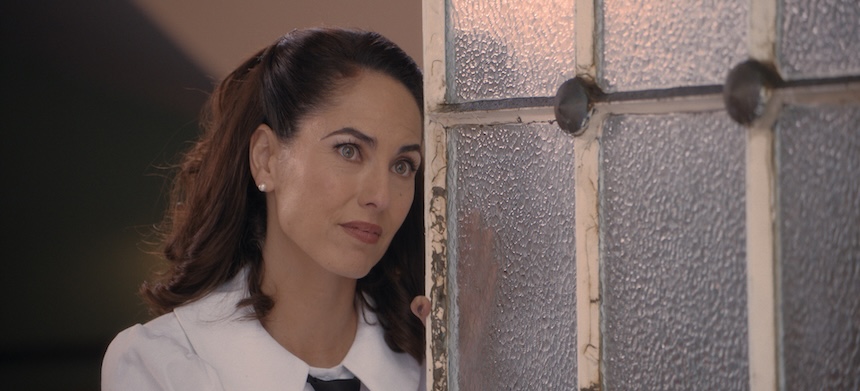
For the most part, though, Season 2 effectively mixes fact and fiction in its investigation of the crimes committed against student protestors in 1971, which ties back to the so-called Mexican Movement of 1968. Written and directed by co-creator Fernando Rozcar, who also wrote and directed nearly every other episode in Season 2, Episode 1 re-introduces the characters -- it's only been a month in series' time, but two years in real time -- and then gets to the heart of the season's narrative when the body of a student activist is found.
Very quickly, though, another body is discovered, who is also tied to past protests, and the series appears to be headed toward another serial-killer mystery, like in Season 1. Except it's nowhere near as straightforward as it initially appears to be.
More than one layer of the story is peeled back over the course of the season, revealing that the rot of corruption runs deep. And, inch by inch, the "Women in Blue" are pulled into the case, even as they continue to push against the discrimination and discouragement they face in the police department, at home, and in their families.

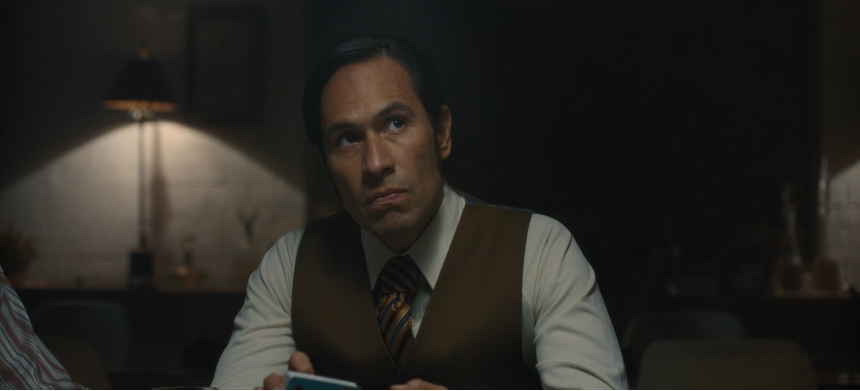
With its emphasis on the women, male characters are properly placed in the back seat, though they keep popping up, including "Los Azules" captain Romandia (Miguel Rodarte), who becomes increasingly dissatisfied as he awaits his promised return to his former job as a detective, and chief of police Escobedo (Christian Tappan), who only got the job because he was campaign manager for Mexico's President.
Season 2 explores the growing sentiment of the citizenry against the institutional abuse by law enforcement officials, which gets angrier as the season progresses. While some of the higher-ups have some sense that they need to make changes, if for no other reason than to keep the general population from outright rebellion, the overriding impulse by Chief Escobedo and others is to crack down even harder, even against the media, so they stop writing about the reported widespread abuses.
While I enjoyed Season 1, with only slight reservations about its uncertain tone, Season 2 feels more on-point and certain of its tone. It's also more relevant today, far beyond Mexico's borders, and remains a likable, lively, and thoughtful show.