
STAR CITY Review: 50 Shades of Grey in the Space Race
Rhys Ifans, Anna Maxwell Martin, Agnes O'Casey, Adam Nagaites, Alice Englert, and Josef Davies star in the series, created by Ben Nedivi, Matt Wolpert and Ronald D. Moore in the 'For All Mankind' universe.


Sparks of joy were rare in the Soviet Union in the late 1960s.
Star City
The first two episodes are now streaming on Apple TV. Subsequent episodes of the eight-episode series will debut every Friday. I've seen the first five episodes.
No one smiles very often, making for a glum atmosphere in the first five episodes of a new series by creators Ben Nedivi, Matt Wolpert and Ronald D. Moore, who also created For All Mankind as part of Apple TV's first wave of streaming shows.
Set in the same universe, which kicked off with the Soviet Union landing a man on the moon before the United States in 1969, the show tells the story from the perspective of a country under totalitarian rule. Rather than the nationalistic urgency that fueled the mothership show's first season, Star City depicts everyone as living under The Sword of Damocles: They know they are doomed to forever exist in a land where even dreaming of any kind of freedom is sheer, hopeless foolishness.
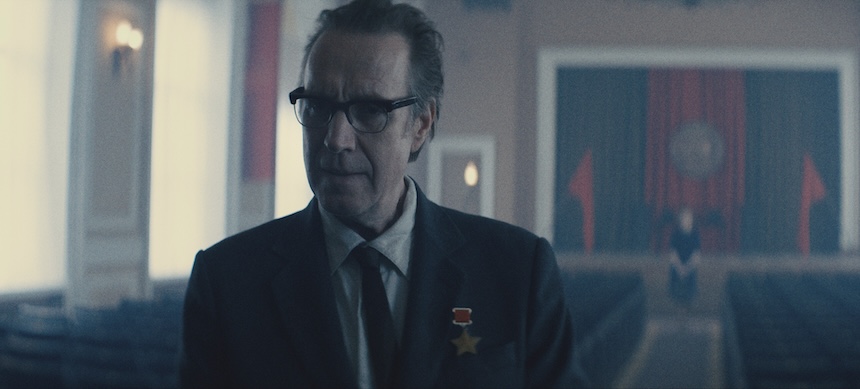
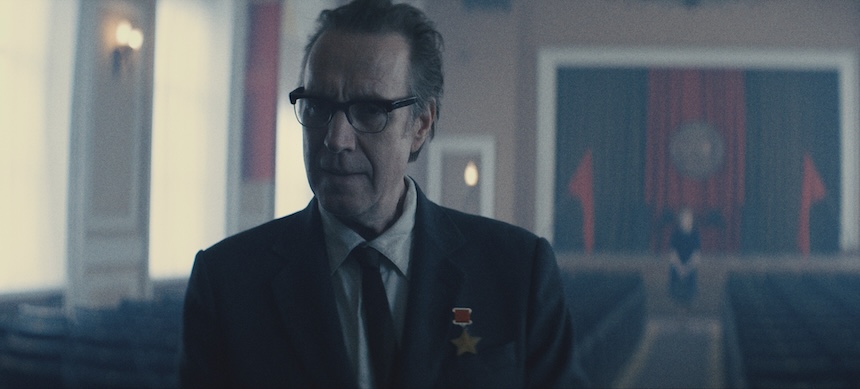
Their only hope is to avoid prison and/or an early death for themselves and their loved ones, so their desperation is defined by utter futility. The leader of the space program, always called Chief Designer (Rhys Ifans), knows that even he is not allowed to leave the country for fear that he will be kidnapped by the C.I.A. or other foreign agencies. (Or, perhaps defecting, which is never ever spoken aloud.) When he receives a medal and official recognition by the government for his accomplishments, his medal is promptly retrieved by a government official "for safekeeping" and his prize is not publicized, not even in the State-run media.
In this oppressive atmosphere, Chief Designer nonetheless speaks his mind as much as he can, urging his superiors to pursue a more ambitious space program that will take them to the stars, rather than the propaganda-first goals that they impose on themselves. The paranoid limitations of his superiors become apparent when an impending mission to orbit the moon is threatened by baseless suspicions about the star female astronaut.
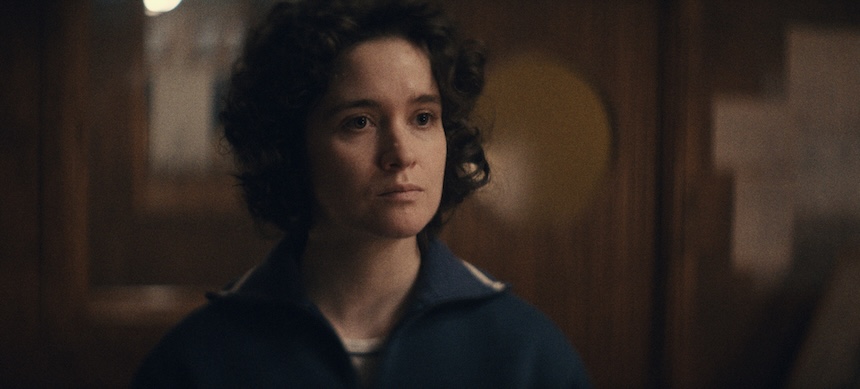
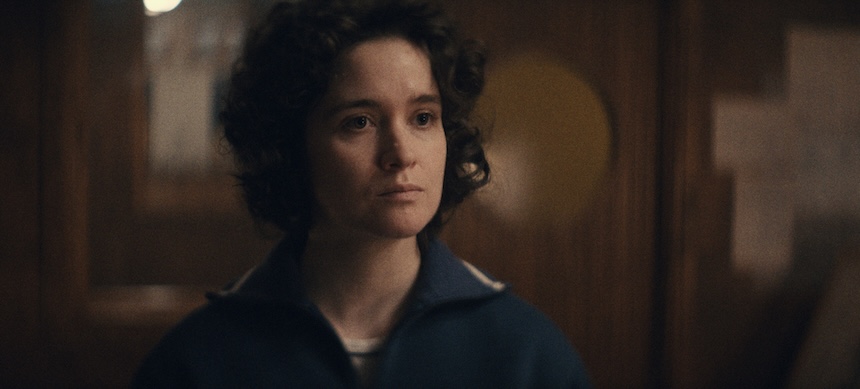
In her place, Anastasia Belikova (Alice Englert) is hastily-chosen, more for her Communist Party loyalty than anything else. Poor Anastasia doesn't realize that she will be subjugated by the State to a fate worse than death: eternal celebrity, subject to a close guard by the secret service and forfeiture of anything resembling a "normal" life.
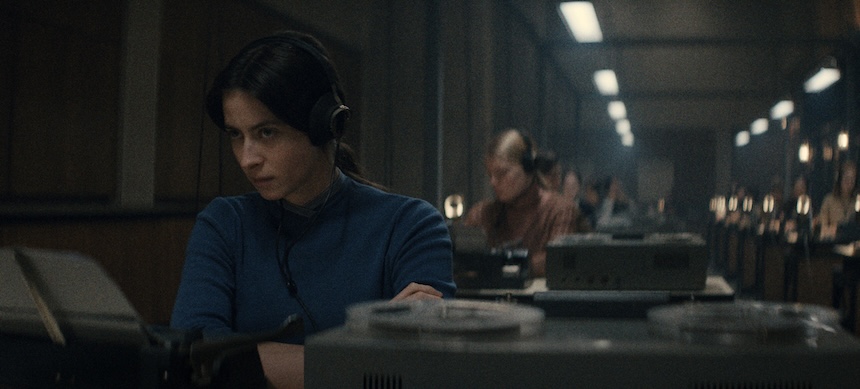
Of a similar age, Irina Morozova (Agnes O'Casey) is a new arrival at Star City, starting work in the KGB's surveillance unit at Star City, the space program's headquarters. She works in a room that resembles a more narrow configuration of the endless, anonymous typing pool in Billy Wilder's The Apartment (1960); she is assigned to transcribe recordings made by microphones hidden in the homes of suspicious people.
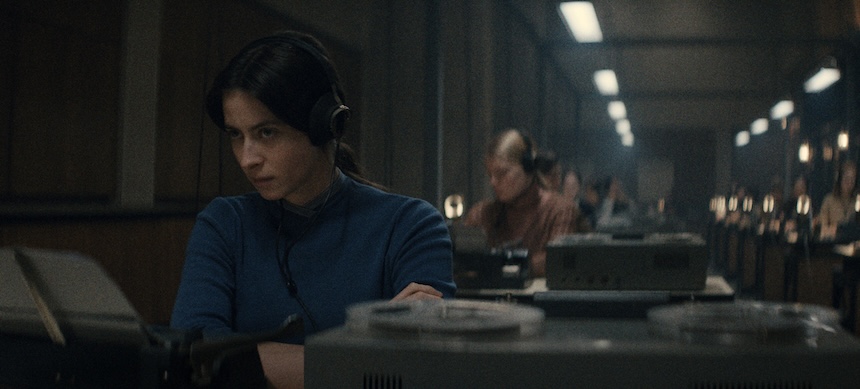
It's the Soviet Union in the 1960s, so everyone is suspect, but Irina draws the luck of listening to experienced cosmonaut Valya Markelov (Adam Nagaitis) and his unhappy wife Tanya (Ruby Ashbourne Serkis), who has been having an affair with Valya's trainee cosmonaut friend Sasha (Solly McLeod), a jokester who takes nothing seriously.
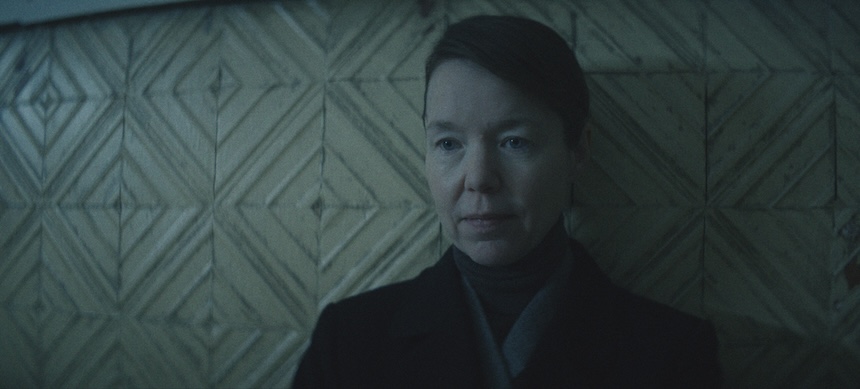
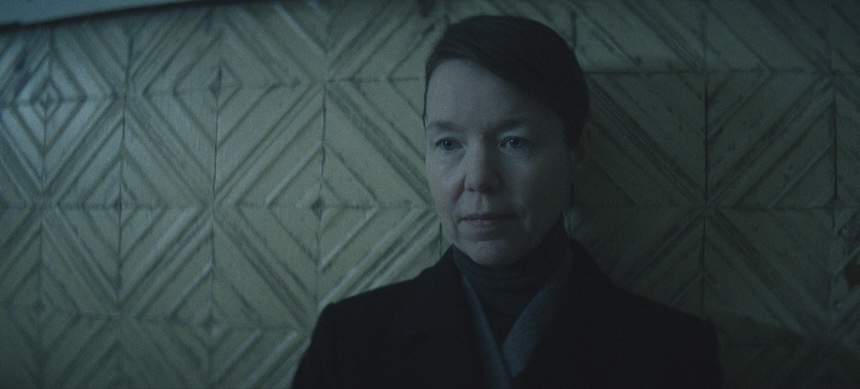
Lyudmilla Raskova (Anna Maxwell Martin) represents the State more than anyone else. She is the head of the KGB's surveillance unit. Always looking stern and disapproving, she strikes fear with her mere appearance, and does not hesitate to "exercise her authority," brandishing her pistol with authority.
Finally, Sergei Nikulov (Josef Davies) is introduced as part of a group of younger engineers at Star City. His off-the-walls ideas get him noticed by the Chief Designer, and the two spend more time together as they both see the need to expand Star City's mission, no matter what dangers may come.
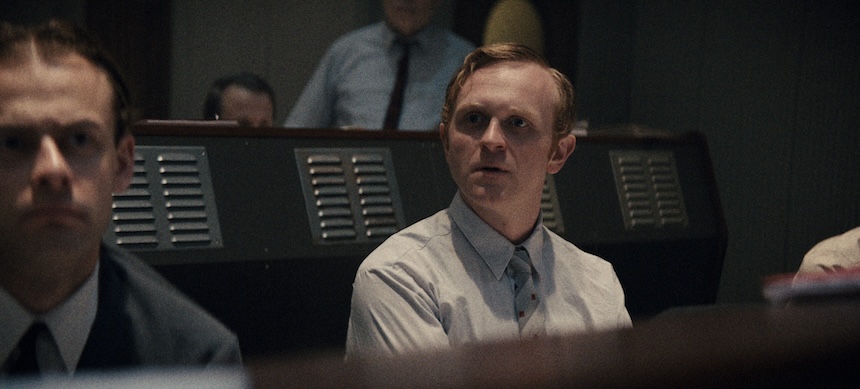
Some of the characters -- Irina, Anastasia, and Sergei -- played supporting roles in For All Mankind, though here, each is portrayed by a different (younger) actor. Events are depicted from the Soviet perspective, of course, which casts everyone's actions in a different light.

Akira Kurosawa's Rashomon (1950) told the same story from multiple perspectives, inspiring a raft of movies, TV shows, and books. Star City takes that idea and reduces it to a single, more focused, alternative perspective, spinning off the alternative history established in For All Mankind.
The totalitarian restrictions of the Soviet Union have a crushing effect upon everyone in Star City, which makes for grim viewing. It often feels like an academic thought experiment: Could you survive in such a repressive environment? How would your development into adulthood be affected? Would your emotions be ground down or wiped out entirely?
The despair and the misery feel real. Glimmers of hope are scattered about in the first five episodes, however. Given the creators' history, and the predecessor series' ability to turn things around, especially in the entirety of the excellent second season, it may be that Star City will shine brighter by its conclusion.
Until then, the sure-handed performances are painting enduring portraits of bravery (and evil) under fire.
Now Streaming celebrates independent and international genre films and television shows that are newly available on legal streaming services.
Star City
Writer(s)
- Ronald D. Moore
- Ben Nedivi
- Matt Wolpert
Cast
- Rhys Ifans
- Anna Maxwell Martin
- Agnes O'Casey
For All Mankind
Writer(s)
- Ronald D. Moore
- Ben Nedivi
- Matt Wolpert
Cast
- Joel Kinnaman
- Michael Dorman
- Wrenn Schmidt






-thumb-80x80-107109.jpg)

