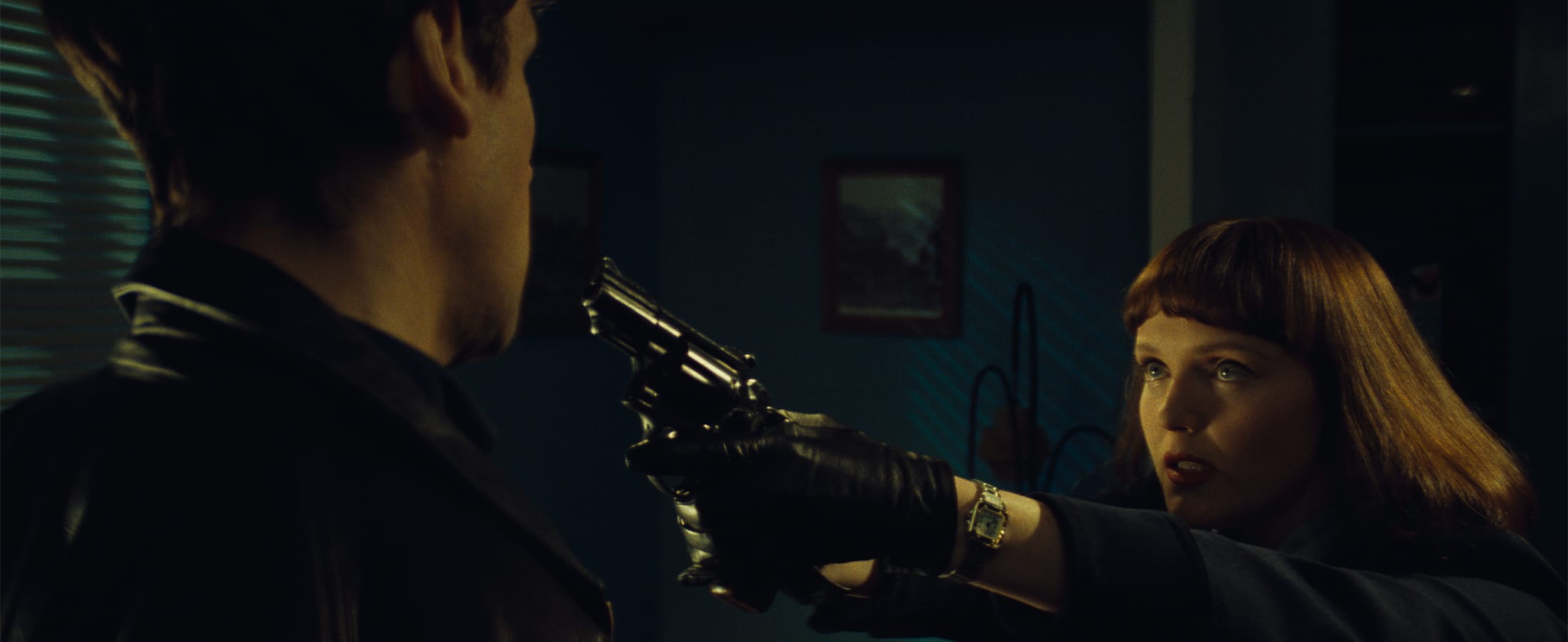
THE CRYING GAME 4K Review: The View Beyond the Twist
Neil Jordan’s 1992 masterpiece has only deepened in courage and complexity in the years since.

Spoilers follow, I guess, for The Crying Game, for anyone who has somehow passed these last 34 years unspoiled.
With cinema becoming a vibrant niche interest of Gens Z and A, it's possible to imagine a point in the human future where The Crying Game's major data point for some future generation isn't its "twist," and/or the seismic impact that twist had on popular culture in 1992 and afterwards.
Perhaps the film will come to occupy a more joyful space in the popular imagination, as a groundbreaking near-mainstream work (the film was produced in the UK before Miramax broke it out wide in the United States, pulling in $71 million) in which a cis man falls in love with a trans woman and finds this experience neither tragic nor destructive. (There's tragedy and destruction in The Crying Game aplenty, but not because of that.)
In the meantime, though, and for queer folk my age and older who remember the original event, we can still somewhat revel in the way The Crying Game went off like a biological weapon in American moviegoing in 1992, a mind virus for the straights: yup, sometimes it do be like that.
In her jacket essay, queer historian Willow Catelyn Maclay notes that in the era of its release, mainstream America "did not have the language" to grapple with The Crying Game's evocations of sex, love, and gender. I certainly didn't: already well into (what would become) decades of paralyzed "languagelessness" in any attempt to describe my own identity, I could only recognize The Crying Game as a moving, aspirational work, one that got at a premise of gender fluidity and sexual liberation that I sensed was out there, but could not positively locate within myself.
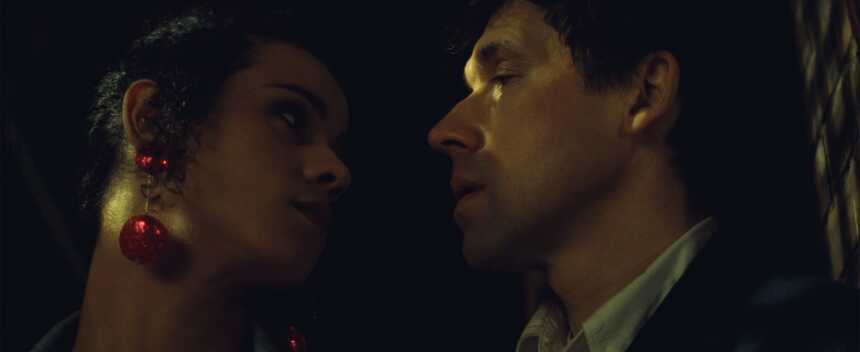
The great blessing of the 21st century, at least in popular culture, has been the arrival of that language, in spite of the transphobic shit-fight its arrival has also called forth in venal wizard authors and American Supreme Court justices. In 2026, the lenses through which to see The Crying Game are clearer, even to non-queer audiences. They let the viewer see past the shock-shot of Jaye Davidson's penis and into the surrounding architecture that Neil Jordan has built into his script, which challenges Stephen Rea's Fergus/"Jimmy" on more planes of how he anchors his identity than just who he wants to sleep with.
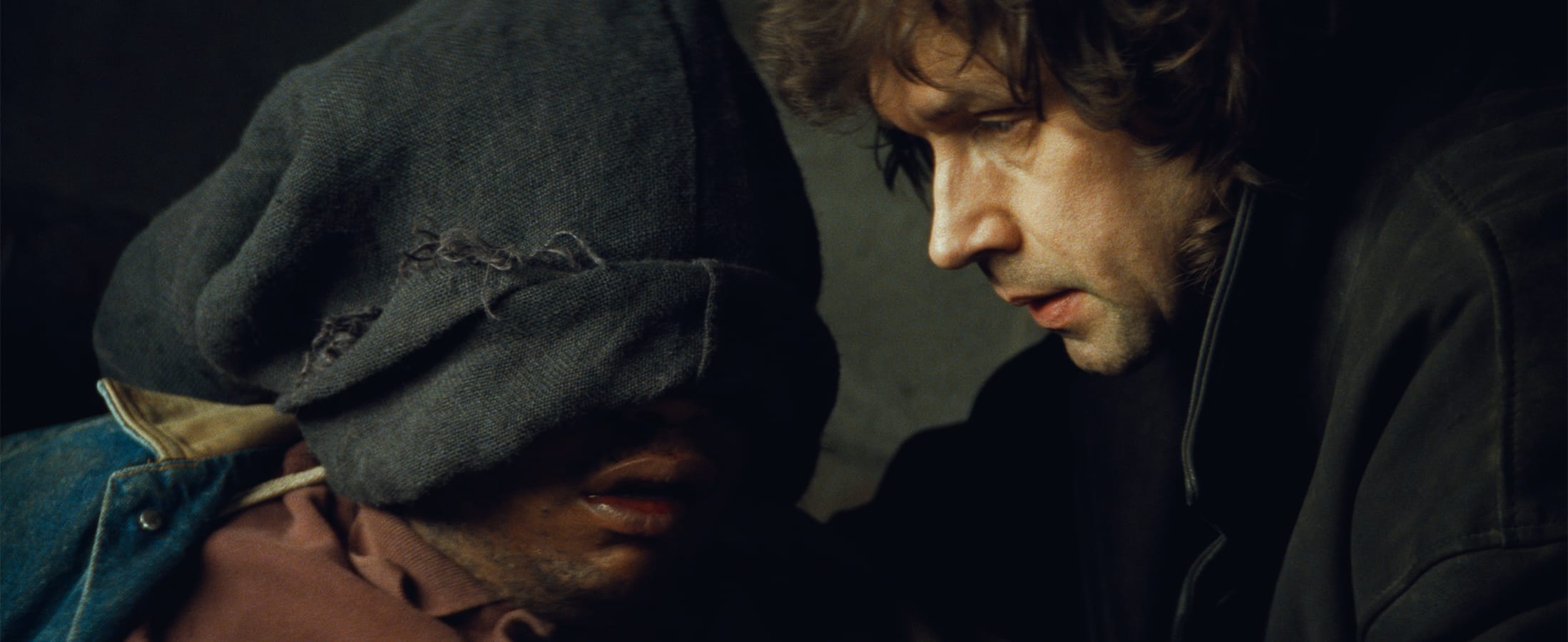
The Crying Game embroiders interrogations of race, class, nationalism, and persona alongside its central engine of sexuality. Boundary lines of who a person is and how they identify (or are identified) are being transgressed throughout the film. Sometimes, this is (intentionally) facile: Fergus taking an alias ("Jimmy") while hiding out from the IRA in London, cutting his hair and changing his affect; Jody (Forest Whitaker, an American actor playing Brit) in a seemingly endless negotiation with his captors on whether or not he should be hooded -- literally, whether or not he should have a face.
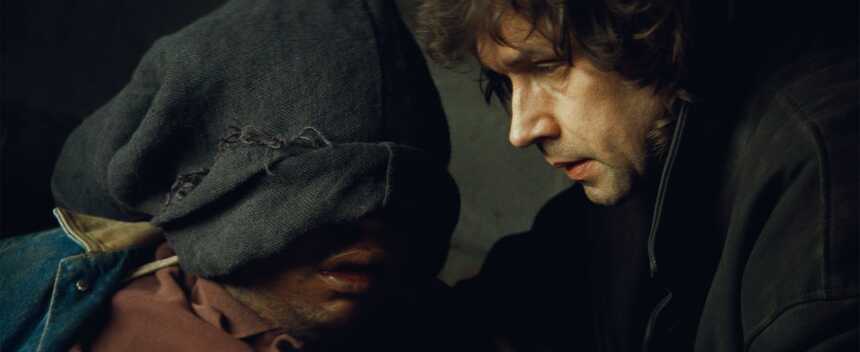
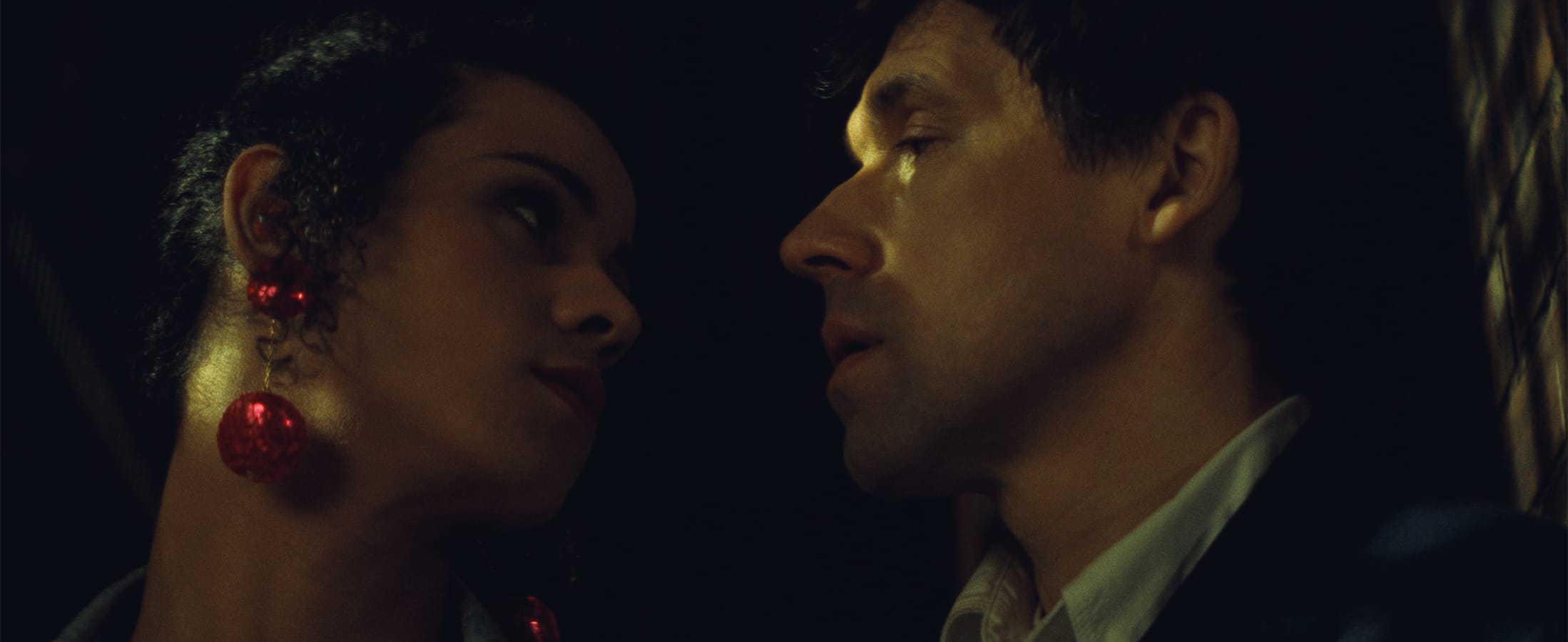
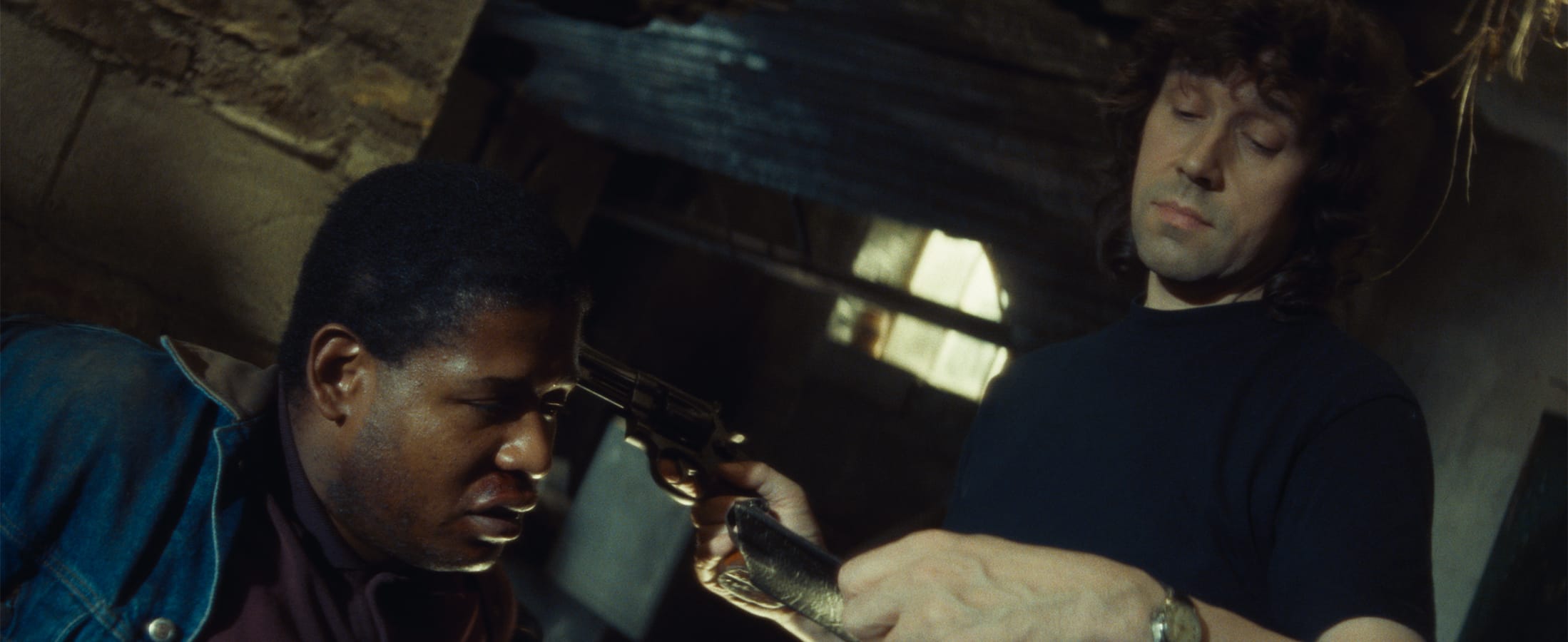
It is, of course, a Black face, and Blackness -- particularly in relation to the white supremacist undercurrents of Troubles-era Northern Ireland -- informs the story much more clearly than I recalled, as well. Jody -- the British soldier Fergus takes prisoner and befriends, in the film's singular, play-like first act -- speaks of the racism he's encountered while on duty and is in love with a mixed-race trans woman back home. By Jody's urging, Fergus tracks Dil (Jaye Davidson) down, and when Jude -- one of Fergus' former IRA teammates, played by Miranda Richardson -- finds out about the affair, it's hard to tell if she's more disgusted by Dil's perceived queerness or the colour of Dil's skin.
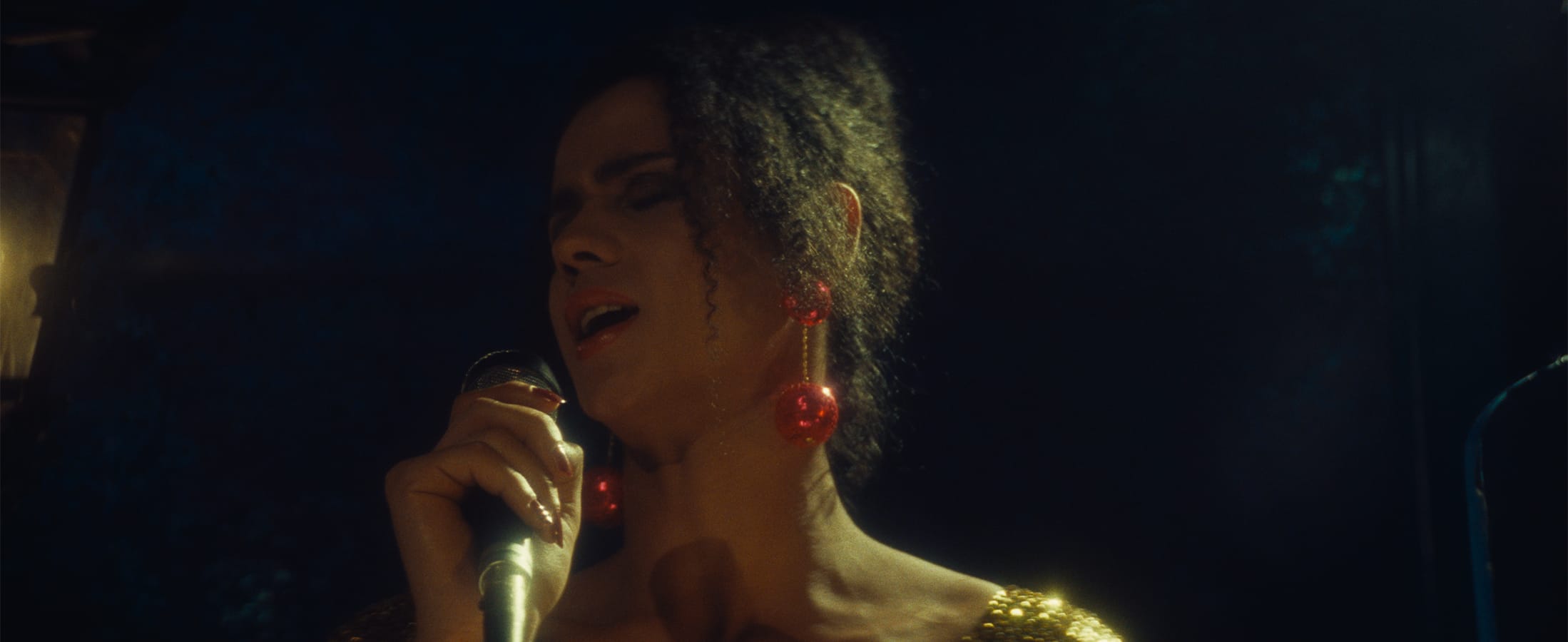
To hide Dil from Jude, Fergus undertakes one of the movie's most brutal actions, one which feels like a knife across the flesh of the palm, even today: he cuts off Dil's long, elegant hair (Dil, a hairdresser, seems pitifully out of place in the barber's chair, surrendering every facet of her control to her lover) and dresses her in Jody's leftover cricket uniform, disguising her as an anonymous Black boy. This, of course, shatters Dil, who is already halfway to shattered besides; but remaking her in Jody's image also foregrounds the queerness of Fergus' feelings for the man, heavily implied in the first act but never stated.
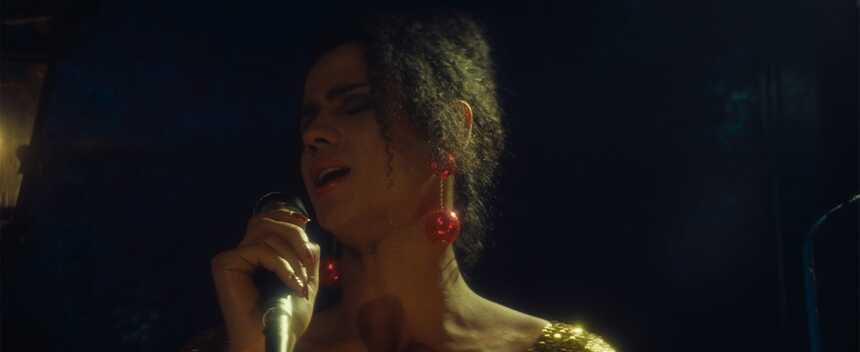
Throughout, The Crying Game is a ravishing, unapologetically sensual tour-de-force, delighting in the erotic interplay of closeups, the textures of costumes and clothes, and the pockets of chiaroscuro darkness that veil subcultures of people finding safety in vanishingly small numbers. Restored in 4K from a 35mm original by the Criterion Collection (spine #1320), the new disc makes maximum use of high dynamic range encoding in Dolby Vision. Colour reproduction is reference-quality, with inky blacks and inviting gold tones throughout the story's colour design.
Special features on the disc are light. There is a 17-minute, newly-recorded conversation with Neil Jordan about the work, along with a shorter recollection by Stephen Rea; there's also an archival, 50-minute "making of" documentary and a 2005 commentary by Jordan.
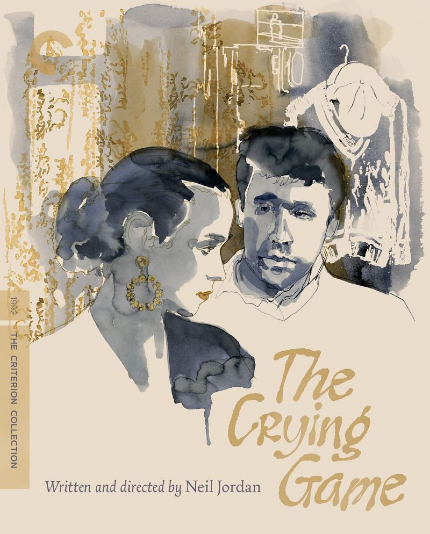
The jacket booklet contains two superb essays, however: one in which critic Tasha Robinson locates The Crying Game within the British resistance to its IRA themes in the 1990s, and the aforementioned consideration by Willow Catelyn Maclay, which directly addresses the film's position as trans narrative. Both essays are beautifully expanded with watercolour artwork by illustrator Sara Singh, who also contributes the disc's cover.
The film is now available from The Criterion Collection in a two-disc 4K+Blu-ray edition, as well as a separate Blu-ray edition.