THE TASTE OF TEA Interview: Katsuhito Ishii Talks Family Dramas and FUNKY FOREST 2

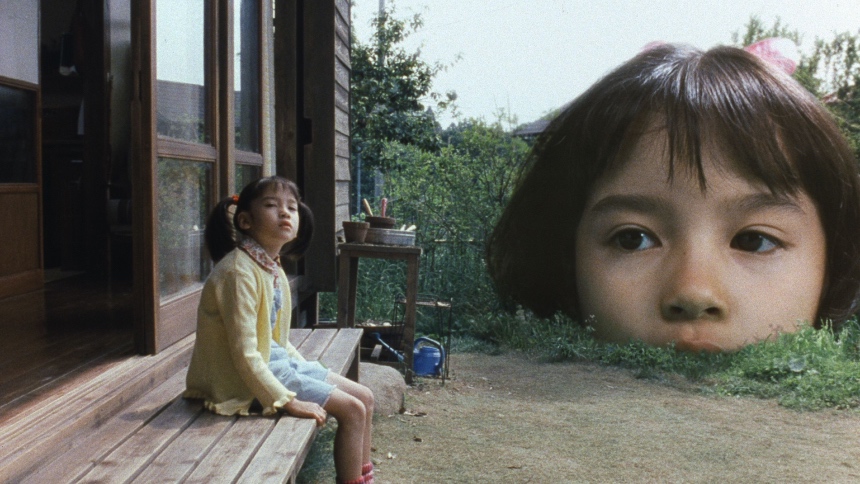
A memorable slice of countryside surrealism, Shark Skin Man and Peach Hip Girl and Party 7 director Katsuhito Ishii's ensemble family dramedy The Taste of Tea premiered in Directors' Fortnight during the Cannes Film Festival in 2004.
It's a charmingly odd film - a cult classic made more so in recent years by Third Window Films (who released the film on Blu-ray in the UK). The Taste of Tea now sees a new HD restoration overseen by its director - released theatrically today in North America from Film Movement. Ahead of the film's re-release, I had the pleasure of sitting down with Ishii to discuss domestic dramas, arthouse positioning, and how that much-hyped Funky Forest sequel is coming along.
Where does The Taste of Tea sit within your filmography and your perception of it? Is it a personal favourite of yours?
After my first independent film, I made two commercial films: Shark Skin Man and Peach Hip Girl and Party 7. The Taste of Tea is also technically a commercial film, but it's a film that I developed on my own, drawing out the complete storyboards without even speaking with anyone about it. I presented that, and they agreed to make it into a film. So, in that sense, it's the only film of mine that has no outside influence. It's very deeply personal and important to me within my filmography.
FUNKY FOREST is receiving a sequel, a project that myself and many others are very excited for. Can you share anything about it?
Yes, there is going to be a follow-up to Funky Forest. With the previous Funky Forest, I was a little bit too playful - in that they let me do whatever I wanted, because we had a significant budget. There was also a bit of indulgence in how long it was - two and a half hours - so for this next one, we're hoping for a shorter runtime - because we also want the average person to watch it, and also get it. There's also inspiration from Hajime Ishimine, to this time structure the film around chapters. We want to break it up so it's easier to digest.
We've already filmed two-thirds of it. Due to casting issues, we had to delay this last portion till Fall. One really exciting development is that Fumi Nikaido is going to be in it. She's really fantastic in it. We hope that we'll deliver something that everyone really loves.
If you research THE TASTE OF TEA The Taste of Tea online, you'll find it referred to as "a surreal take on Ingmar Bergman's FANNY AND ALEXANDER". I'm curious about that quote - is that a point of comparison that you yourself have made, or is it something that critics have said that has stuck to the film?
That's an outside narrative! I've never seen Fanny and Alexander! But I'd love to.
Were you a fan of domestic dramas that focused on a family unit? Was this a type of Japanese film that you felt a particular affinity with before making this film?
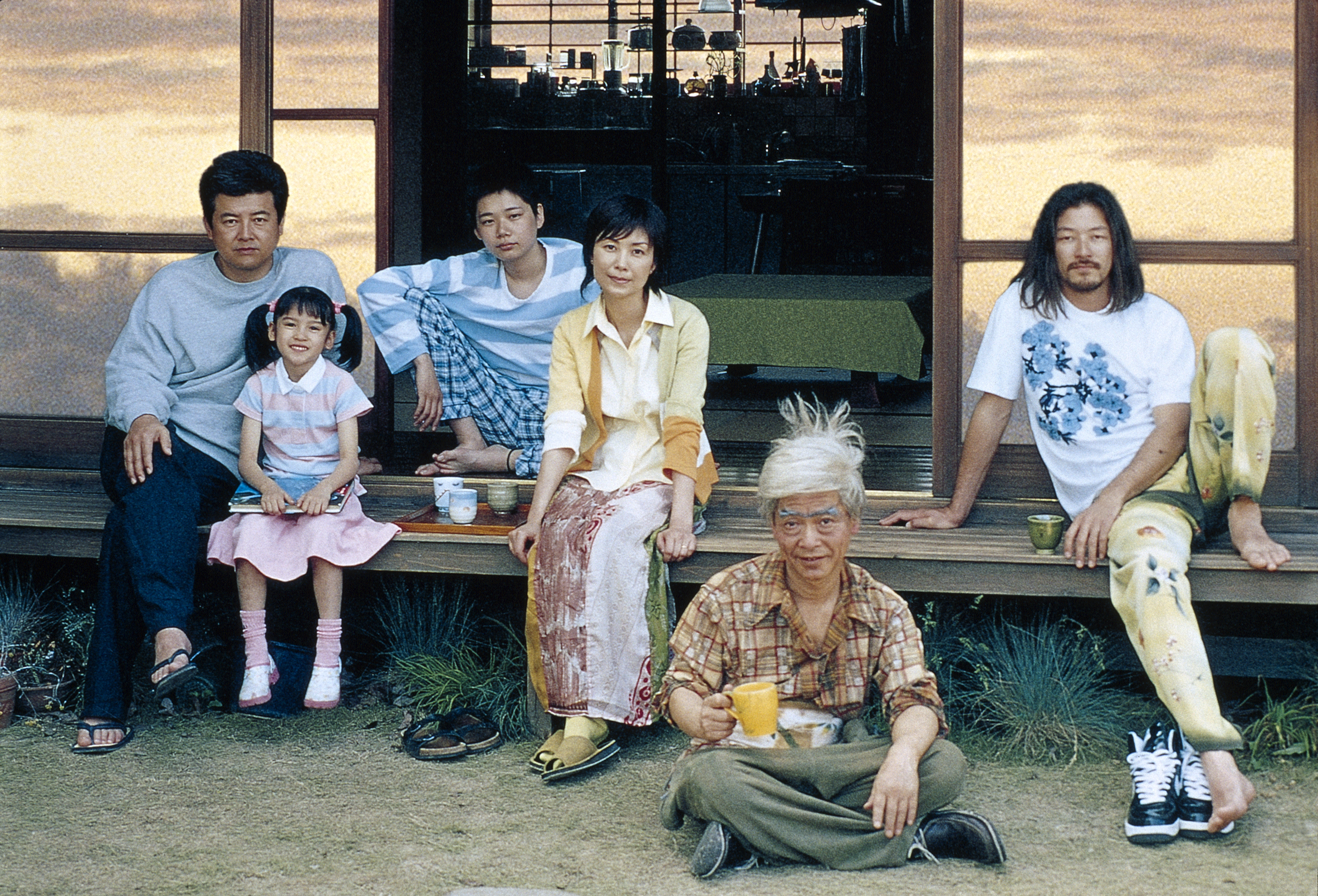
I think the basis for what people think of as 'family dramas' is actually found in anime. I was particularly inspired by two anime: Sazae-san and Chibi Maruko-chan - both of which everyone in Japan knows. I took that as a framework, and incorporated little bits and jokes around each character. I would say: this block will be about this character, about this little situation. The film is basically an amalgamation of all of those bits.
You'd previously made SHARK SKIN MAN AND PEACH HIP GIRL and PARTY 7. Then you find yourself at Cannes in Directors' Fortnight, premiering this film to an arthouse audience. Did you start to feel yourself to be an arthouse director?
Being considered 'arthouse' made me really happy. I've always been an avid follower of contemporary art, I went to art school and painted. I also knew that if I wanted to make an arty film, it would be unpopular in Japan, where the work would become more inaccessible. So by borrowing the framework of a family drama and then adding these elements that feel almost akin to installation art, I was able to make something that was really satisfying to me.
The Taste of Tea is in theaters now from Film Movement. With thanks to Monika Uchiyama for interpreting.