Hong Kong to Hollywood Express: A BETTER TOMORROW Galvanizes, Even Today

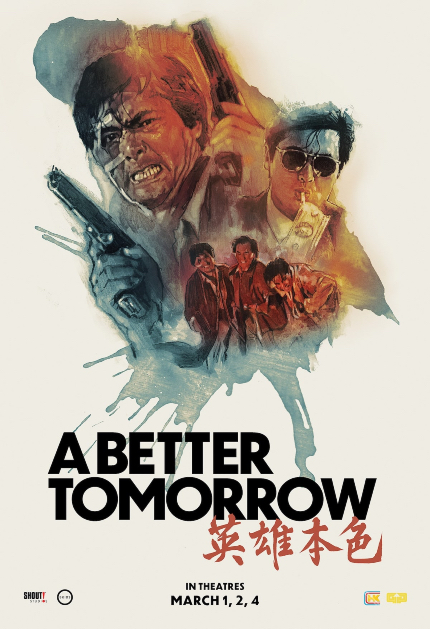
Two brothers. Cops and criminals. The birth of a revolution.
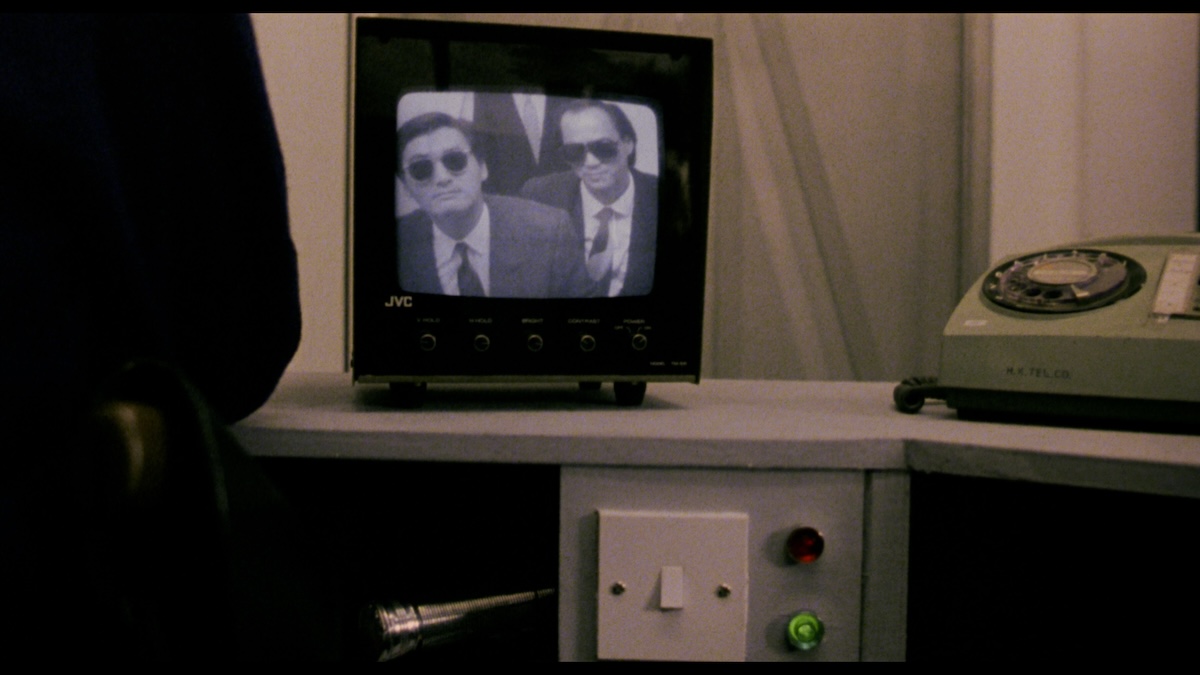
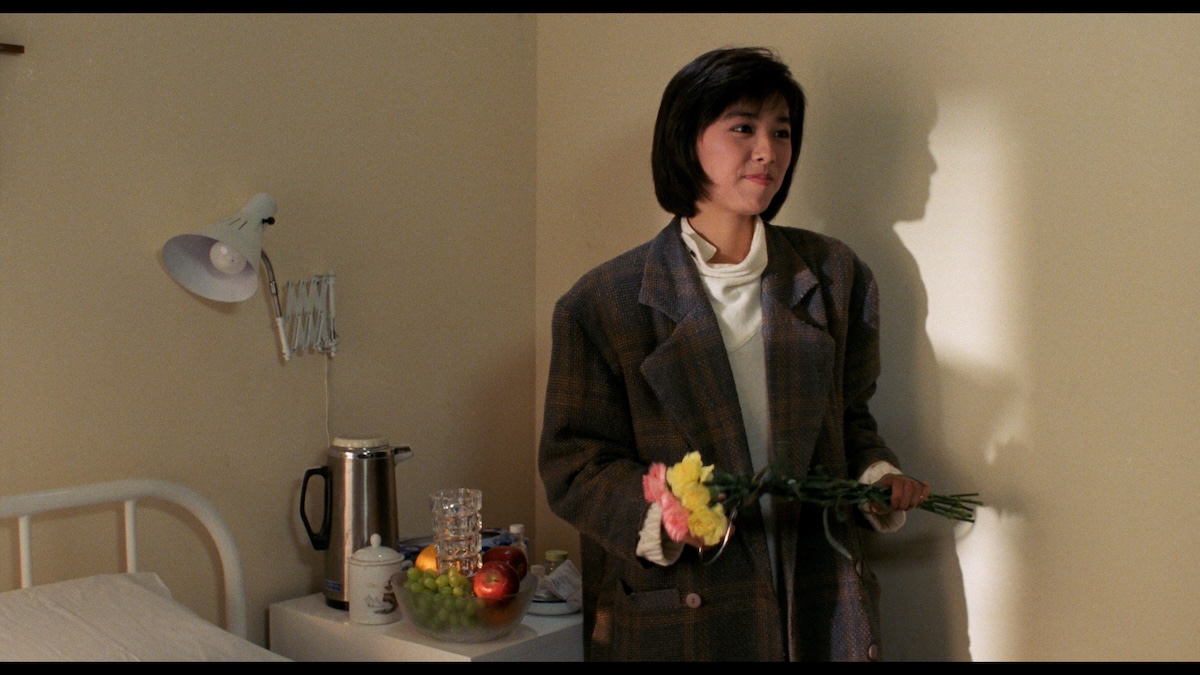
A Better Tomorrow (1986)
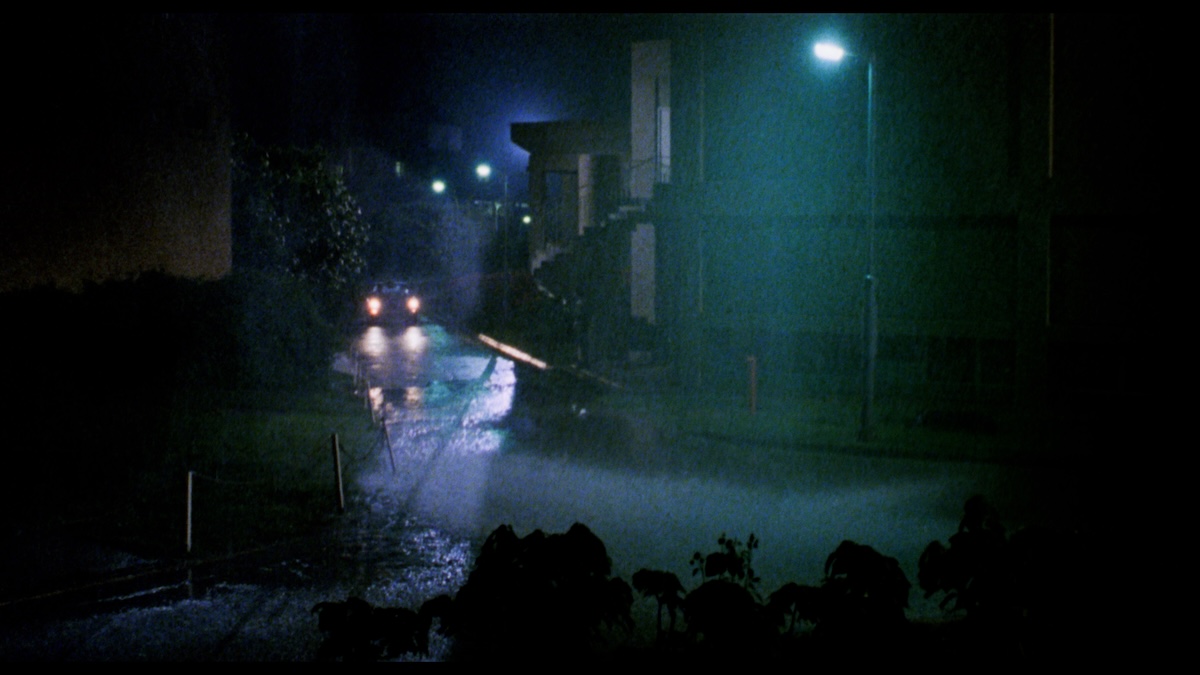
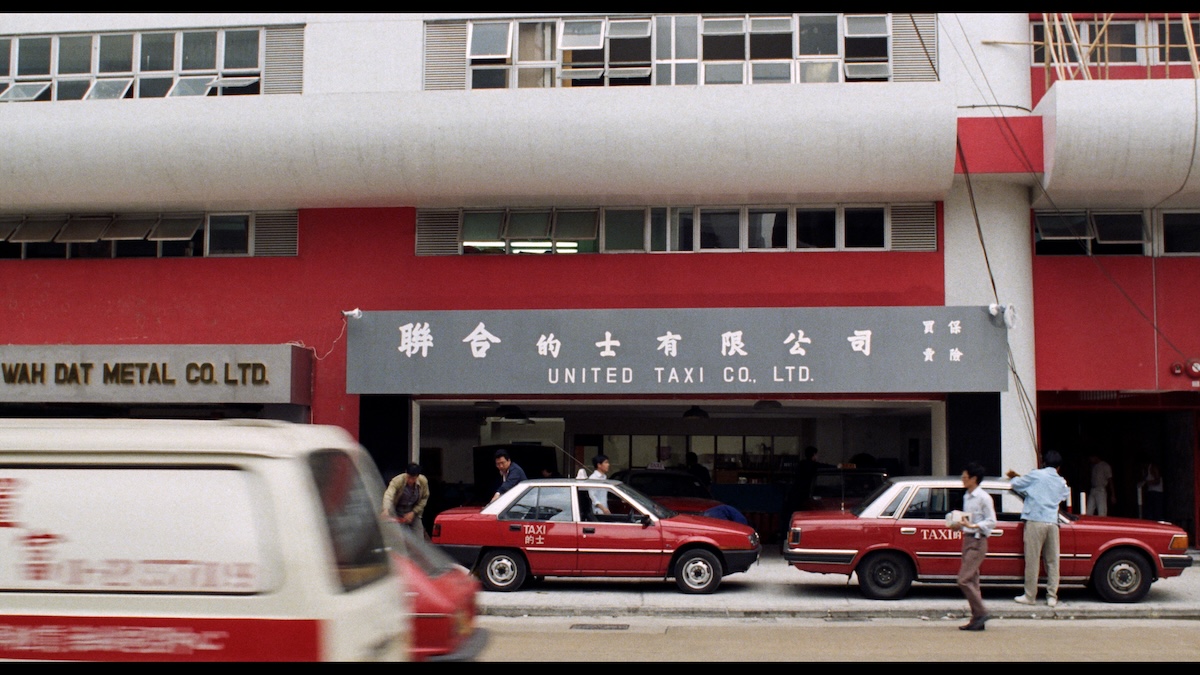
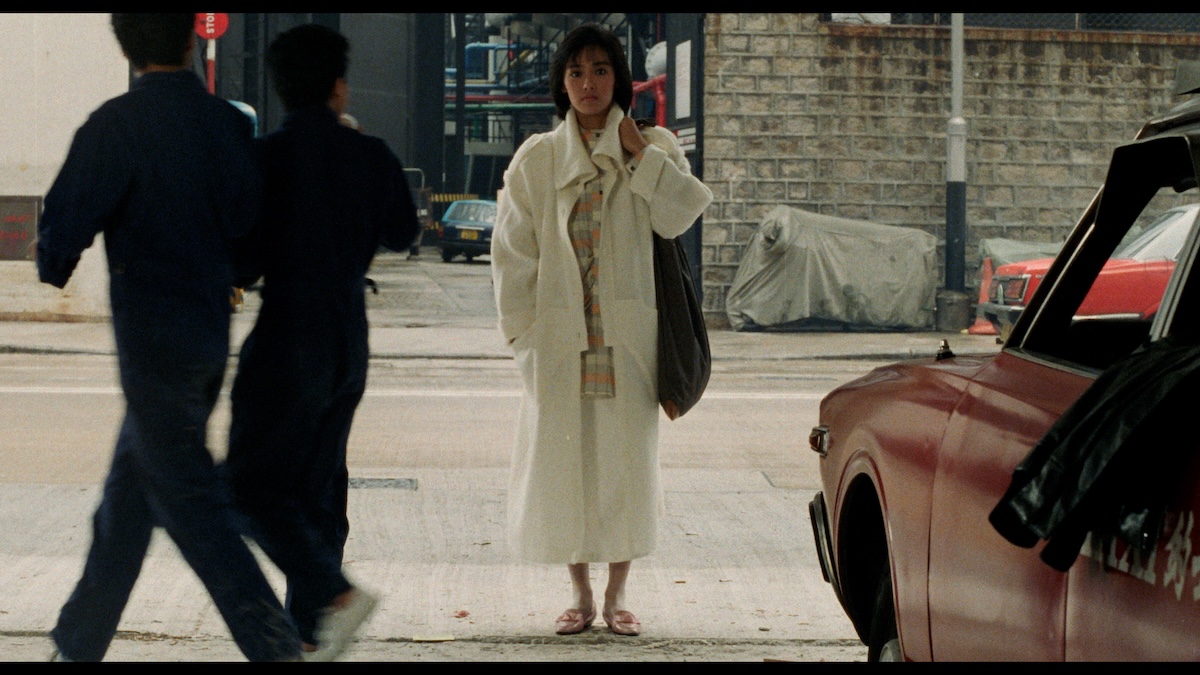
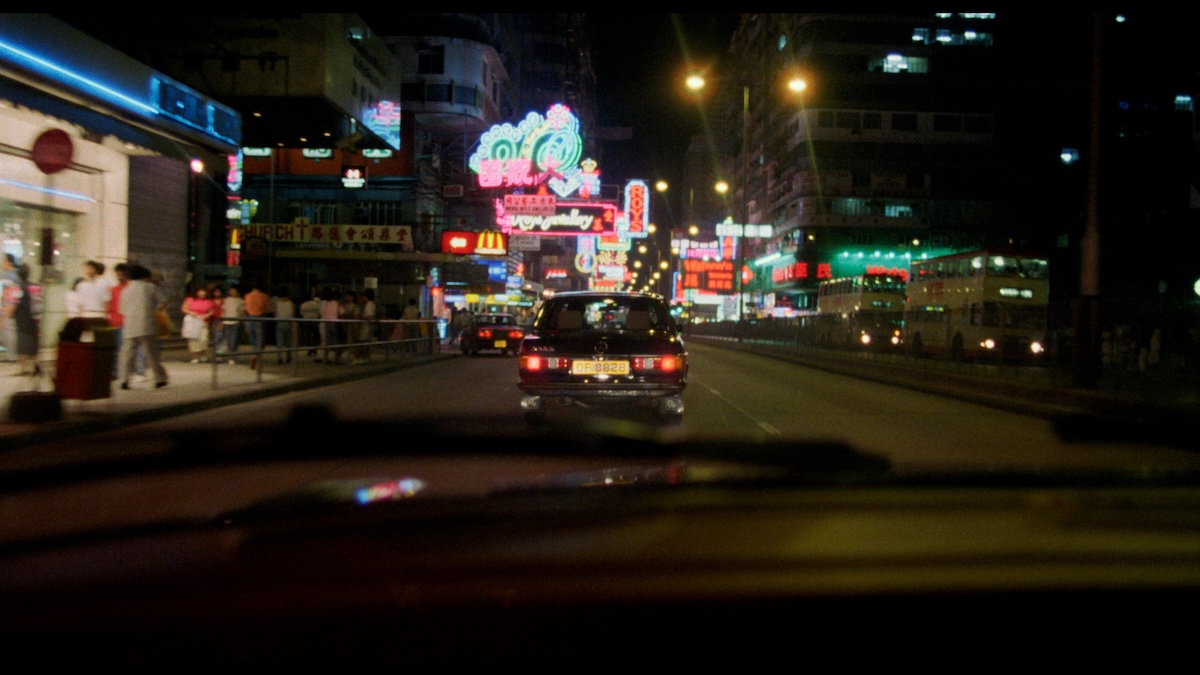
The film's 4K restoration concludes its limited U.S. theatrical engagement tonight, in select cinemas only, via Shout! Factory Studios and GKids Films.
This past Monday night, I did something I never thought I could do.
Back in the late 90s, A Better Tomorrow was among the first films from Hong Kong that I watched on DVD, which I loved so much that I named my first personal site in its honor (abtdvd.com, long since lost from my control). Karen Fang's outstanding book A Better Tomorrow, first published in 2004, dives deep into the film itself, its place in director John Woo's career, its initial reception in Hong Kong, its global reception, and how it resonated into the 21st century.
(As it happens, my site is mentioned in the book, with this comment: "The website thereby appropriates the once politicized English title to use it as a purely commercial pun, acknowledging A Better Tomorrow's historic role in creating worldwide demand for the films that the site registers.
"The website is another indication that A Better Tomorrow's global audience is, contrary to the film's earlier history in Western distribution, beginning to cohere with original, local Hong Kong taste." I even got a footnote!)
My interest in Hong Kong cinema was stirred by searching for something new in a Blockbuster Video and renting the Quentin Tarantino-advertised Chungking Express. After that, my eyes were opened and I started searching for information online in the earlier days of the Internet, where I remember reading two reviews at the absolutely indispensable Hong Kong Cinema - View From the Brooklyn Bridge, where Brian's review really captured the film for me: "There is actually much less action in this film than in Woo's later Heroic Bloodshed epics - with the big emotional and gunplay blast coming near the end - but even this is tame compared to Woo's later films. ABT is much more a character study than a running gun battle. This is just a terrifically heartfelt film that is irresistible as it lays its bare rough emotions out for all to see and respond to."
I don't know that I've seen it in more than 25 years, but watching it on a proper movie screen for the first time ever was thrilling and entirely mesmerizing. Much of the key imagery has lingered in my mind for all these years, and seeing it recombine on a big screen was gratifying.
I felt every emotion deeper than I ever did before, probably because of my own life experiences over the past 25 years. Every bullet shot and every body ripped apart, felt more painful. At its heart, the film is a story of two brothers who are torn asunder, and how impossible it is to repair such fundamental damage.
I knew that nothing would ever be the same for the brothers. Of course, seeing Leslie Cheung's youthful face, and knowing what would happen to him a little later in life, tore me up too, amplified by Chow Yun-Fat's performance, in which he is as charming and confident as humanly possible, and then reduced to a beggar with limited mobility. (As someone disabled with limited mobility nowadays, how could I help but empathize with him to an even greater degree than I did in the past?)
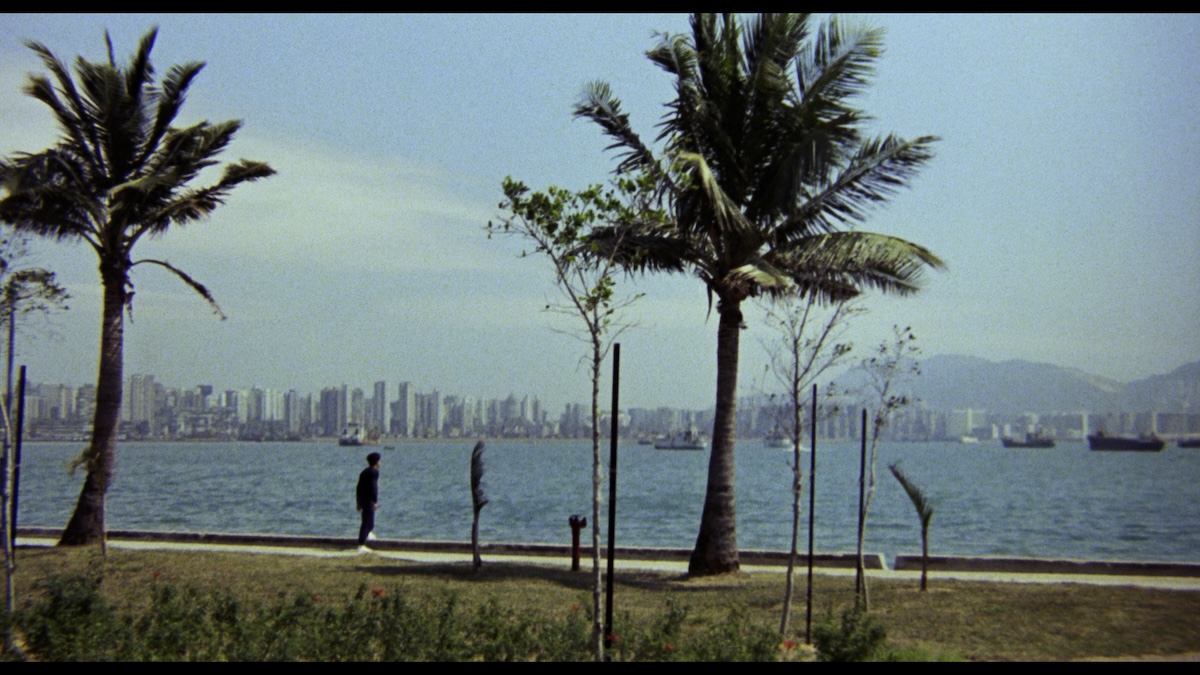
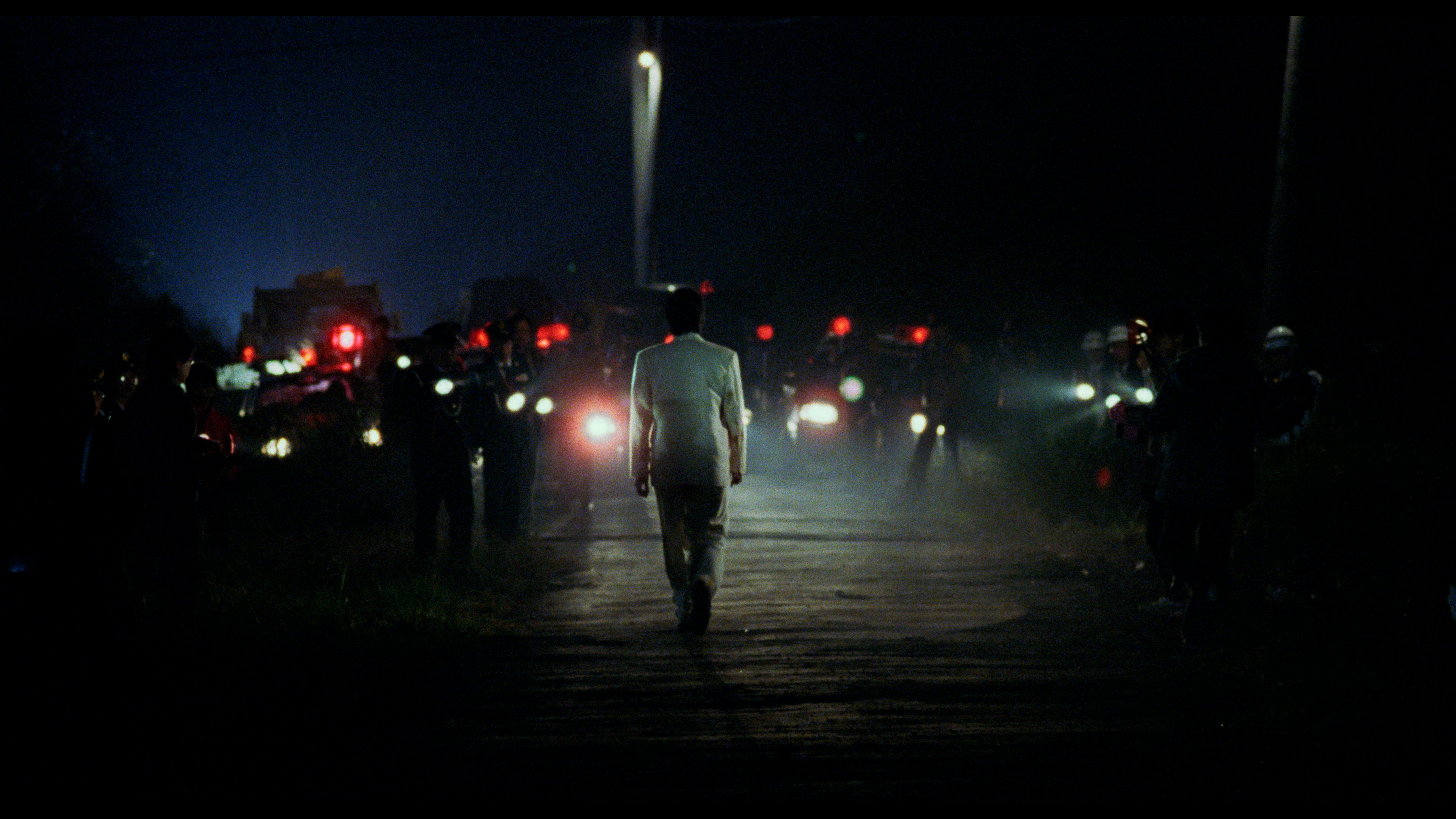
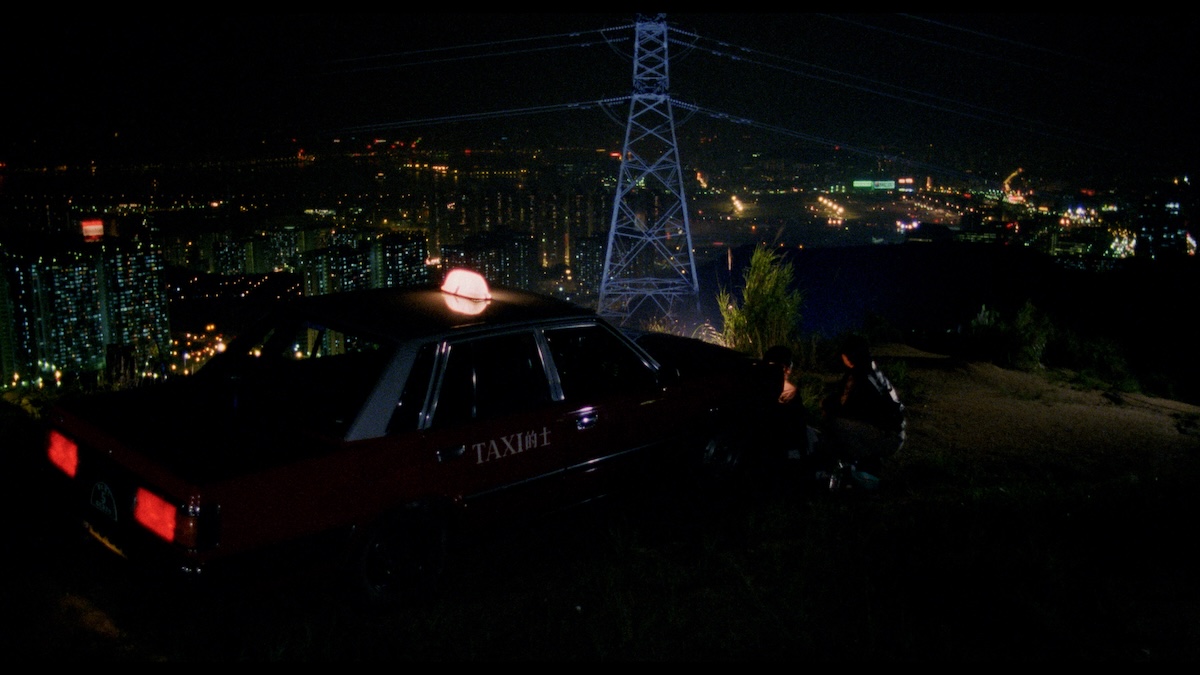
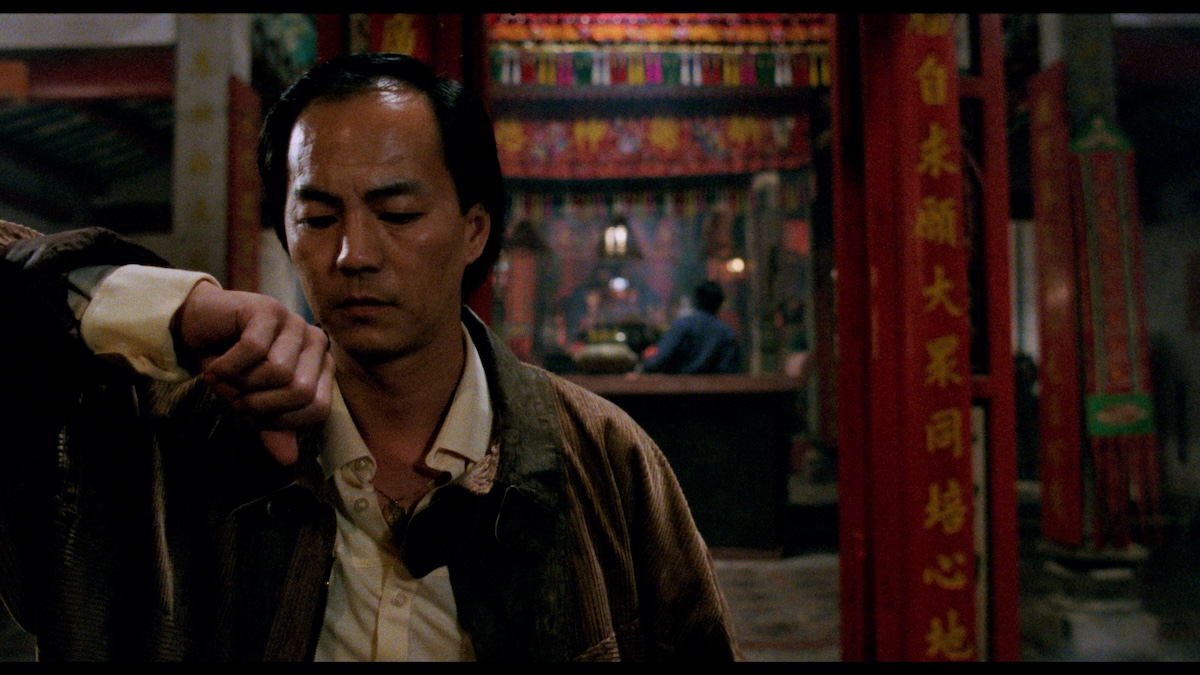
I worried that A Better Tomorrow might not live up to my memories of that long-ago first viewing. No worries. The 4K looks sensational, allowing for the age of the original print. Some of it looks understandingly rough, while other scenes look amazingly good. The story and the characters made me forget about all that.
The film put John Woo on a path that would lead him to great success in Hollywood ... and great disappointment. But that's a story for another time.
Column title originally published by Mobius Home Video Forum. Thanks to Todd Harbour for the column's original inspiration and guidance.