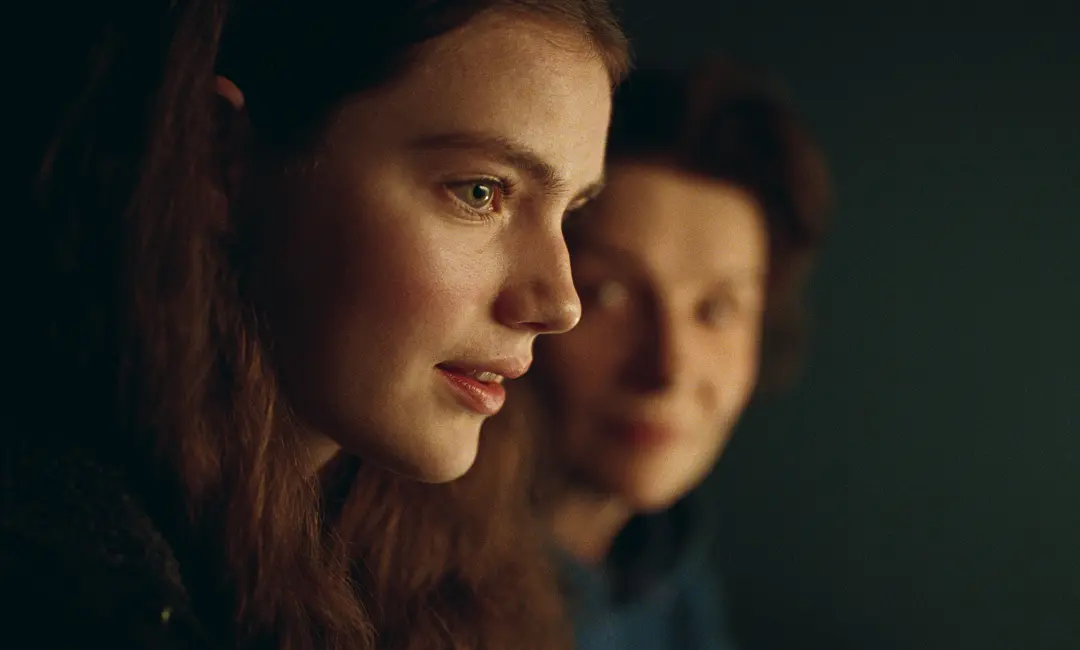
After an 18-year hiatus, Lance Hammer makes a remarkable return to the director’s chair following his Sundance Award–winning debut Ballast.
For this long-awaited project, he assembled what he describes as his dream cast, led by Juliette Binoche and the outstanding Anna Calder-Marshall and Tom Courtenay, who jointly received the Silver Bear for Best Supporting Performance at this year’s Berlinale. The film also won the Silver Bear Jury Prize, marking recognition from Wim Wenders’ jury and audiences alike for its sensitive yet uncompromising exploration of Alzheimer’s disease.
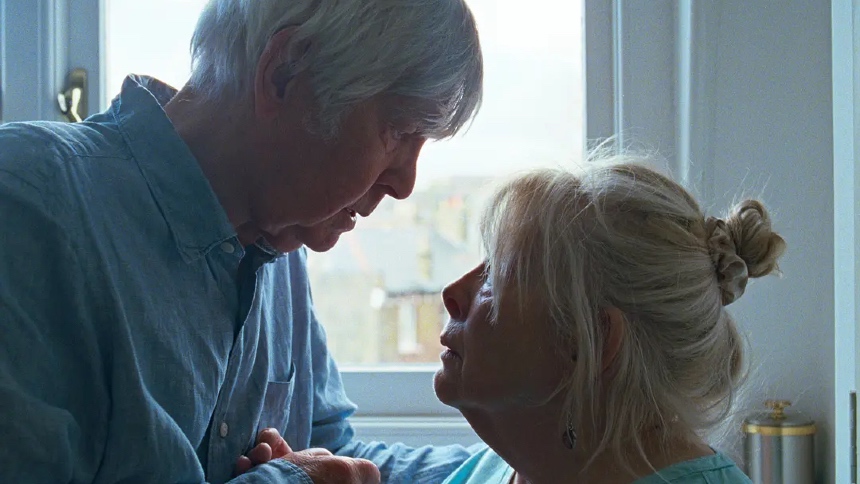
By depicting sexual behaviour involving an elderly person living with dementia, a subject many may find controversial, Queen at Sea confronts a profound ethical dilemma suspended between desire and vulnerability. The film raises urgent questions about autonomy, dignity, and the complexities of sexual consent in later life, prompting deeper reflection on how society perceives ageing bodies and agency.
Following the world premiere, I had the opportunity to join a roundtable discussion with Hammer at the Ritz. It was a pleasure to hear him elaborate on the meticulous research and ethical considerations that shaped the film, which stands as my unequivocal Golden Bear pick of this year’s Competition.
Screen Anarchy: What drew you to this story about Alzheimer’s and sexual consent?
Lance Hammer: The ethical dilemma at the centre of the story was what captivated me. I had read several real-life accounts of elderly couples where a husband continued having sex with his wife after she developed dementia, and their adult child tried to stop it. What struck me was how uncertain I felt about it, and even ashamed of that uncertainty.
I found myself thinking about the daughter. Any choice she makes will harm someone. If she stops it, she may hurt her father. If she allows it, she may be allowing harm to her mother. Dementia happens gradually, like the metaphor of boiling a frog. The husband may not even realise how much his wife has declined. He may truly believe she is still capable of consent. I can empathise with that blindness.
Personally, I believe he should stop. If there is any possibility that harm is being caused, it must end. But it’s easy for me to say that because I’m not in that family. I wanted to explore the nuance and irresolvability of that dilemma. I tried to remain neutral in the film, even though I have an opinion.
How was your relationship with the actors?
It was very special. We spent a full month workshopping -- just Juliette, Tom, Annie, me, and my production partner Gabrielle during the process. We discussed every scene without relying too heavily on the script. I recorded everything and rewrote the screenplay based on their improvisations.
That process made us incredibly close. Tom and Annie had known each other for years -- they once performed Hamlet together -- and Juliette became part of that family dynamic. Their chemistry wasn’t manufactured. It was genuine.
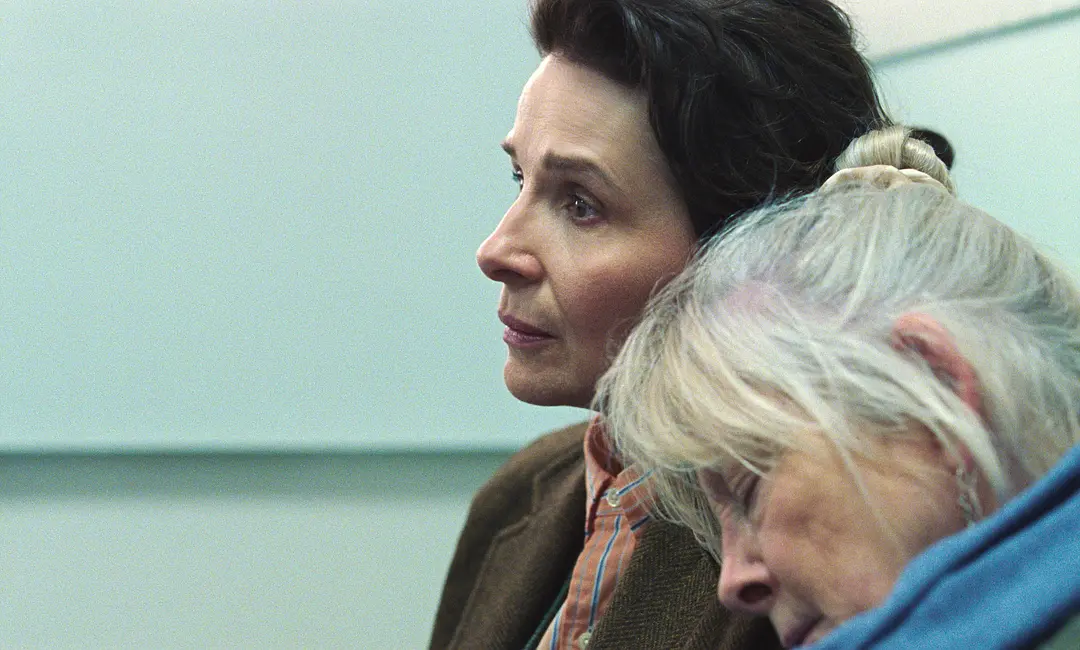
Juliette, especially, is extraordinary. She can communicate entire emotional arcs without dialogue. You simply put the camera on her, and she does the rest.
The camera language shifts between spaces. What was your intention?
With our cinematographer Adolfo Veloso, we wanted to subtly reflect different emotional dynamics. The scenes with the elderly couple are more static -- there’s inertia at the end of life, physical immobility.
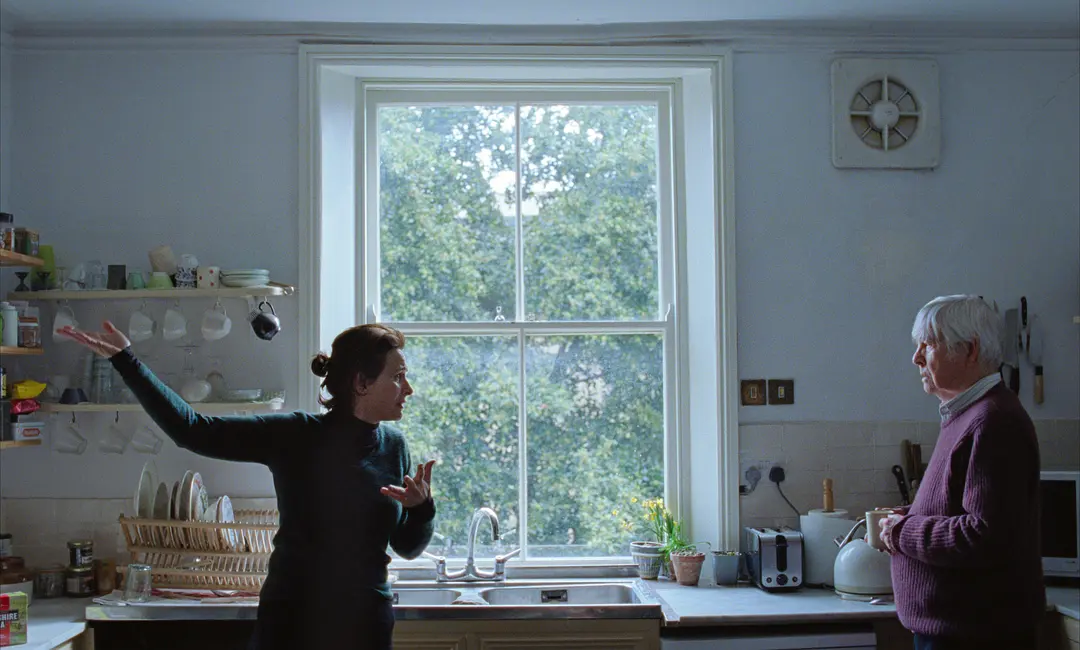
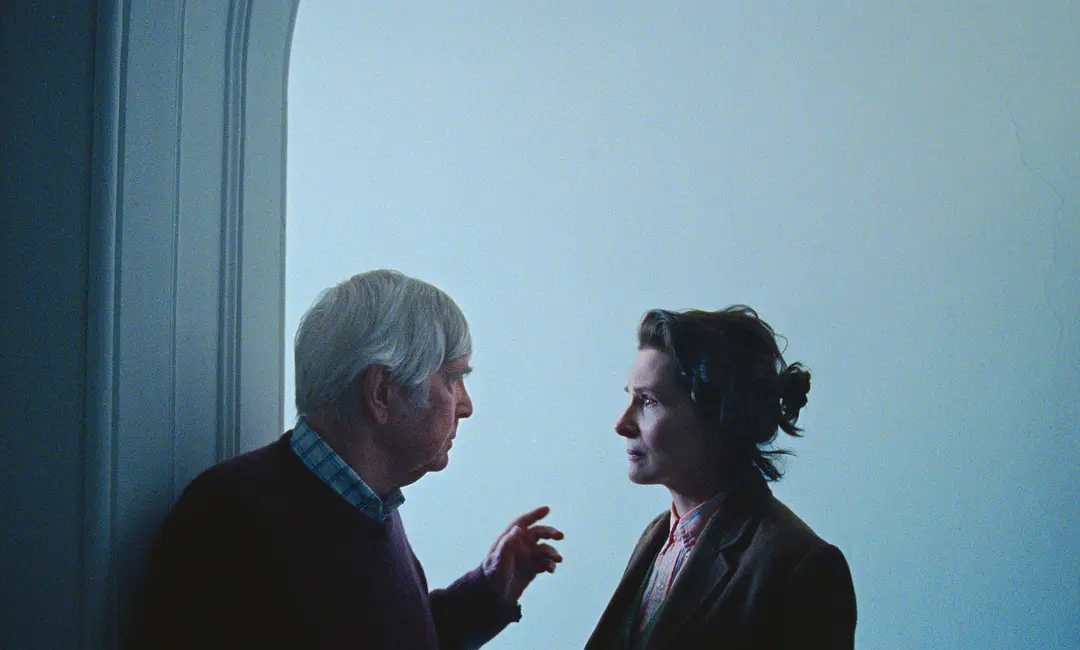
The scenes with the younger characters are handheld and more dynamic. Practically speaking, those scenes were entirely improvised, so the camera had to follow them rather than control them. It created a more chaotic, alive energy.
Later, when anxiety rises in the older couple’s story, we introduced subtle handheld movement there too -- barely perceptible, but enough to suggest instability.
What kind of medical research did you conduct?
Extensive research. I originally wrote the script set in New York, but when we moved production to the UK, I had to adapt everything.
The procedures around sexual assault cases differ significantly between the US and the UK. In the UK, there are specialised Sexual Assault Referral Centres (SARCs) and dedicated SOIT officers.
We brought in real consultants, such as former police officers, a SARC doctor, and a social worker. They walked us through every procedural detail. Often, we had to rewrite scenes because they weren’t accurate. Truthfulness was essential.
Why did you return to filmmaking after 18 years?
It’s very difficult to finance films like this in the United States. There’s no state funding, and projects need to be commercially viable.
I reached a point where I simply wanted to make a small, inexpensive film again. One afternoon, I outlined most of this story at my kitchen table. That never happens to me -- I’m usually very slow. It felt like something I had to pursue.
Why shoot in London?
It ultimately came down to casting. Juliette said yes immediately. Then I approached Tom Courtenay. He was always my first choice, and he said yes as well.
At that point, it made more sense to shoot in London and cast the entire film with British actors. Once Tom was attached, London became the natural setting.
Why did you choose such a bleak ending?
Dementia is bleak. I have witnessed it closely through friends and family acquaintances. It’s one of the most painful experiences people endure.
I am frustrated by films that sentimentalise dementia or attempt to show the world from the perspective of the person suffering from it, because we cannot truly know that interiority. I wanted to keep the person with dementia opaque and focus instead on the grief and confusion of those around them.
As for Martin’s death, I researched the most common cause of death for men over 65 -- it’s falls in the bathroom. I chose the most banal, ordinary possibility. There is no dramatic redemption in reality.
What does the title QUEEN AT SEA mean?
In English, “at sea” means lost. I had an image of a queen aboard a warship. When the matriarch is in peril, the whole nation is in trouble. Perhaps the “queen” represents the matriarchal figure in different stages of life. I’m not entirely sure. Titles often come intuitively.
Did you think about audiences personally affected by Alzheimer’s watching the film?
Yes, and I feel conflicted. My first responsibility is to make the most truthful film possible. But I worry that it could be painful for families currently living through this.
At the same time, perhaps it can offer something valuable to those outside the immediate crisis. I’m still unresolved about that.
This transcript has been edited for clarity and length. At the request of one interviewer, their questions have been removed.
Do you feel this content is inappropriate or infringes upon your rights? Click here to report it, or see our DMCA policy.