DANIELA FOREVER Review: The Elusive Perfection of Dreams
Henry Golding stars in the latest feature by Nacho Vigalondo.

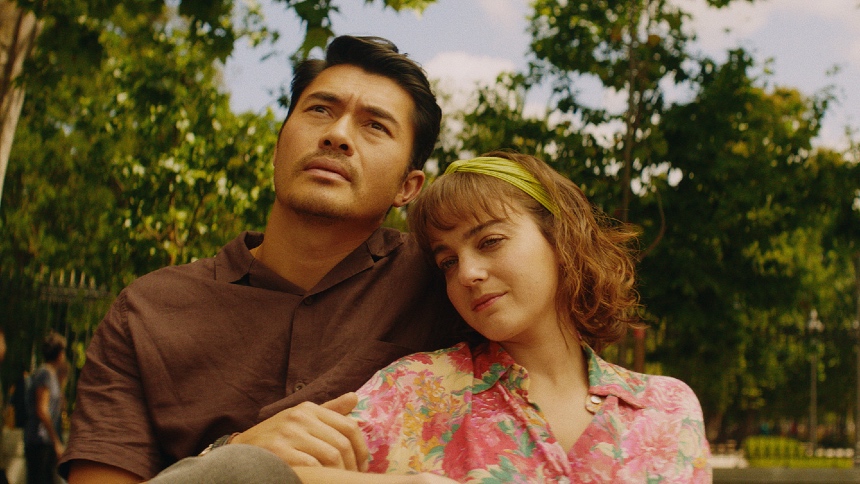
We, as humans, are often loathe to admit how fallible our memories are, of the people who we love, who have left us. We can exagerrate or minimize characteristics; we can paint a rosier picture of what actually happened, unknowingly putting ourselves and our desires at the centre of a narrative that, we think, will protect us from pain and grief. But our memories, our imaginations, and the inteference of our egos in each, can lead to greater harm.
Spanish filmmaker Nacho Vigalondo (Timecrimes, Colossal), over several features and shorts, has had a very unique way of marrying science fiction and love stories. Frequently frightening, often comedic, sometimes larger than life, these films do not shy away from the darker side of romance, sex, and adoration. Daniela Forever feels like his most personal and intimate film to date; it's a somewhat familiar tale, but through Vigalondo's particular lens, takes that dark side and asks the audience to spend some time to understand it.
Nick (Henry Golding, Crazy Rich Asians) lost his girlfriend Daniela (Beatrice Grannò) some months ago in an accident, and he is not coping with it well. So much so that his friend Victoria (Nathalie Poza) suggests a experimental treatment to help release him from this emotional rut. A sleeping pill, a spilled bottle of water, and an ill-timed glance at Daniela's photo, and suddenly Nick is plunged into a series of lucid dreams where he can control what happens, and who is in it. Naturally, all he wants is to be with Daniela ... or so we would assume.
Nick's dream world is beautiful: cinemascope, full of the vibrant colour and sound of Madrid; this is where he finds his life and energy. His waking life, by contrast, happens in old TV-square aspect, presented in VHS/home movie quality, and feels dry and small. It's an apt representation of the emotional state of one who walks around in a haze of grief and numbness. No wonder, once he starts his treatment, Nicolàs far prefers to live in the perfect world of his dreams, with Daniela.
Except, even when it begins, Nick seems as much obsessed with making this dream world tailored to his liking, as simply enjoying Daniela's company. If he can't remember a place, or he's never been down a road, there's a strange liquified wall; it's not hard to grasp the symbolism, but it's also presented in such asn eerie way that we don't blame Nick for this obsession. But after a while, we notice that maybe he's not actually creating this world so he can be with Daniela, but creating a world that he wanted before, almost despite her. He begins to obsess over details in their relationship that would have indicated it was not as strong as he believed, if he had paid closer attention while Daniela was alive.
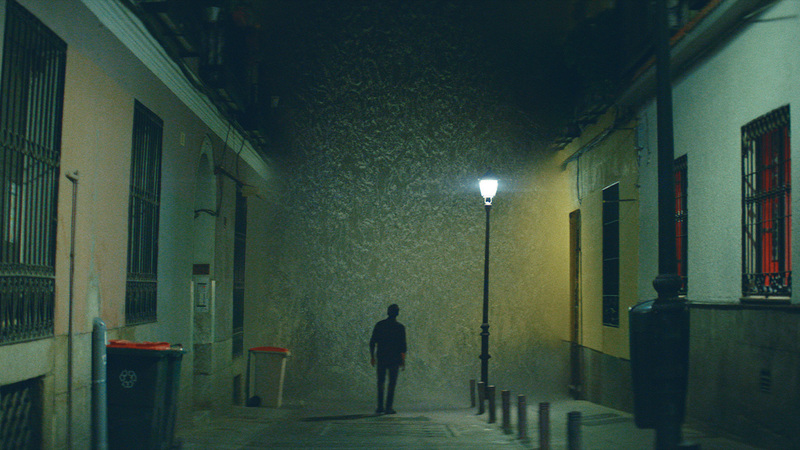
We never meet Daniela when she is alive, so we only ever see her through Nick's eyes and memory: no doubt we always skew a person's personality in our own memories, especially after their death. So the Daniela we meet shifts in often almost imperceptable ways, as Nick adjusts her to whatever dream he is currently having. She is perhaps somewhat of herself; a kind person, a talented artist, connected with Nick in their status as outsiders in Madrid. But what was she to him? Does he see and understand her more now that she's gone, or less?
There are two Nicks in this story: the one we meet in his 'waking' life is understandably crippled by his grief; the one in his dream life begins as energetic and happy. But as the story goes on, Vigalondo shifts these two vibes until they cross paths, or perhaps more accurately, swirl into a vortex. Using two different aspect ratios and picture quality means, and eventually interchanging them, allows us to engage with the story and characters in way that is almost haptic. The tone is set at a proverbial frequency that resonates in those parts of our brain that can't turn away from this uncanny experience.
Golding feels in his element in this film: he absolutely embodies a man who was, indeed, very much in love, but also has been so focused on himself for so long, that even in his grief, he cannot see how he allowed his relationship to falter from neglect, until it is almost too late. Grannó is a quiet revelation: she has to play the Daniela of Nick's imagination, and she is able to 'switch' according to his needs, yet she never plays her character as robotic or superficial; we always see the real Daniela hiding behind Nick's façade of her, asking to be heard and understood.
Daniela Forever reads as a letter to love lost and mourned, an imagining of grief gone sideways, yet still with its moments of the uncanny, and a healthy dose of that offbeat humour that we've come to expect from Vigalondo. It's a deep meditation on what it means to work through grief in ways that acknowledge shortcomings while not forgetting the love.
Daniela Forever releases in select theatres in the USA on Friday, July 11th, and on digital, July 22nd, via Well Go USA. Visit the official site for more information.
Full disclosure: ScreenAnarchy is owned by XYZ Films, one of the production companies behind the film. This had no bearing on the review.
Daniela Forever
Director(s)
- Nacho Vigalondo
Writer(s)
- Nacho Vigalondo
Cast
- Beatrice Grannò
- Henry Golding
- Aura Garrido