Golden Horse 2025 Interview: DEAR STRANGER Director Tetsuya Mariko Talks Transnational Filmmaking, New York, and Puppet Theater

Toei's first English-language feature, Dear Stranger is a compelling melting pot of talents, starring Hidetoshi Nishijima (Drive My Car) and Gwei Lun-mei (Blue Gate Crossing), and scored by Jim O'Rourke.
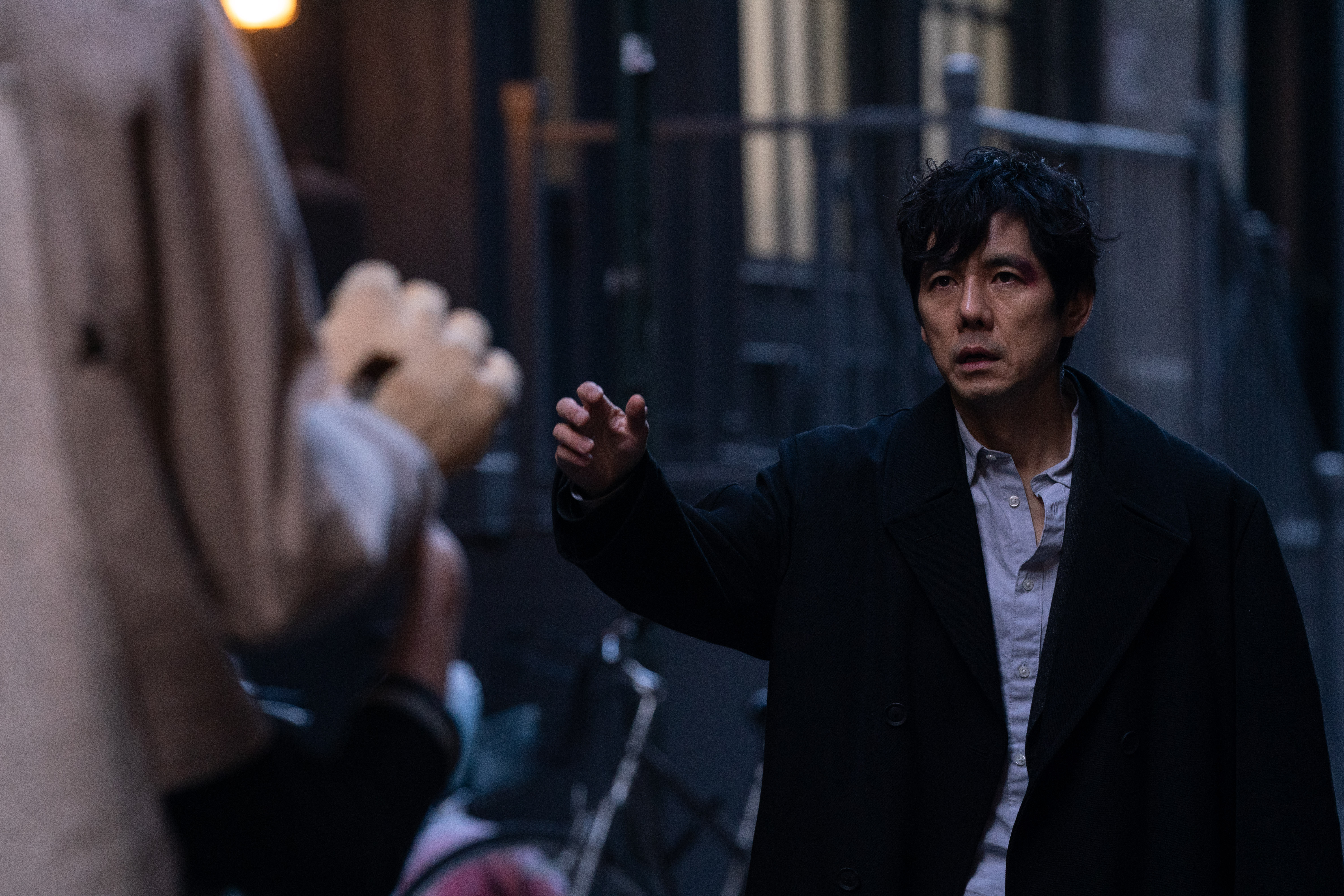
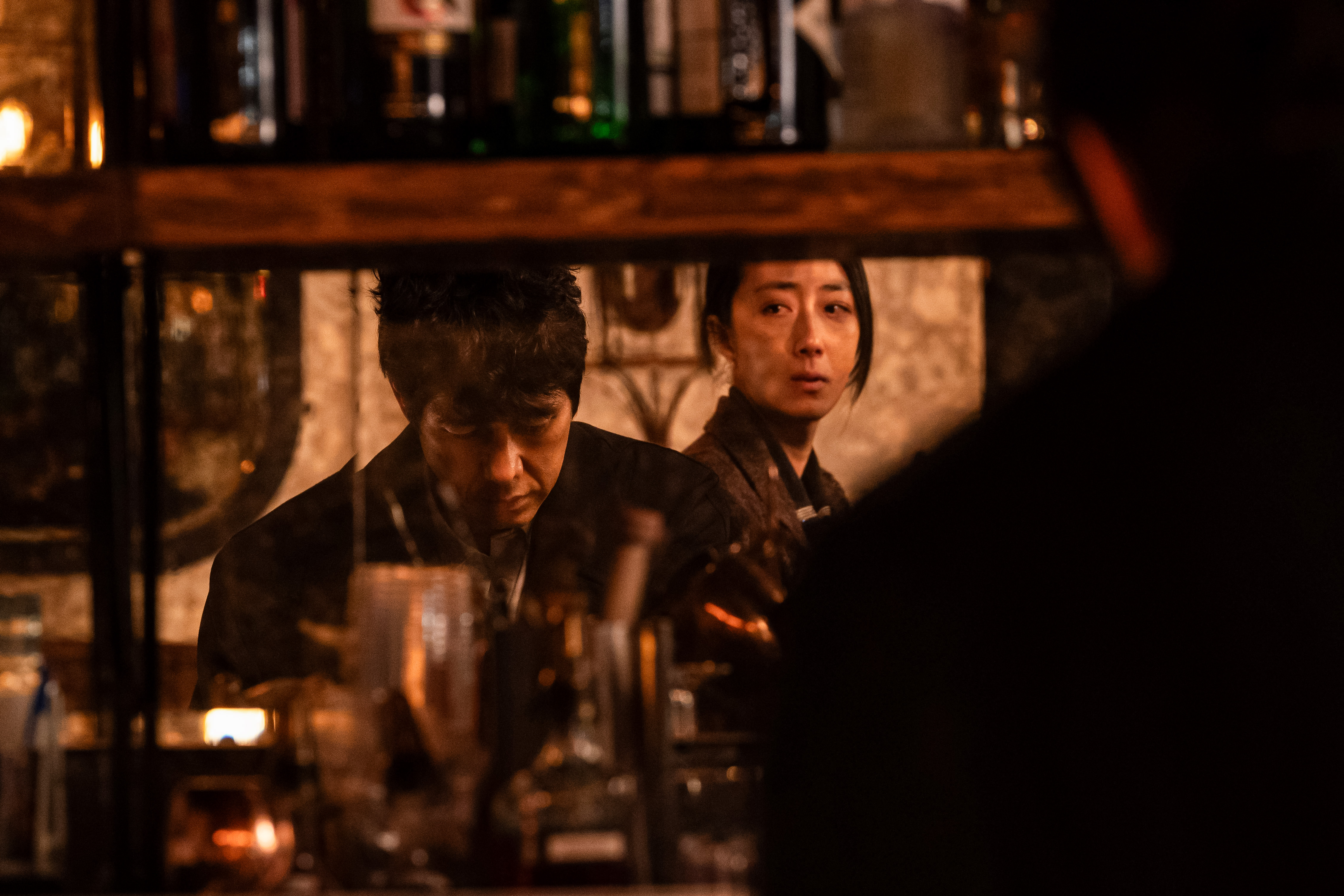
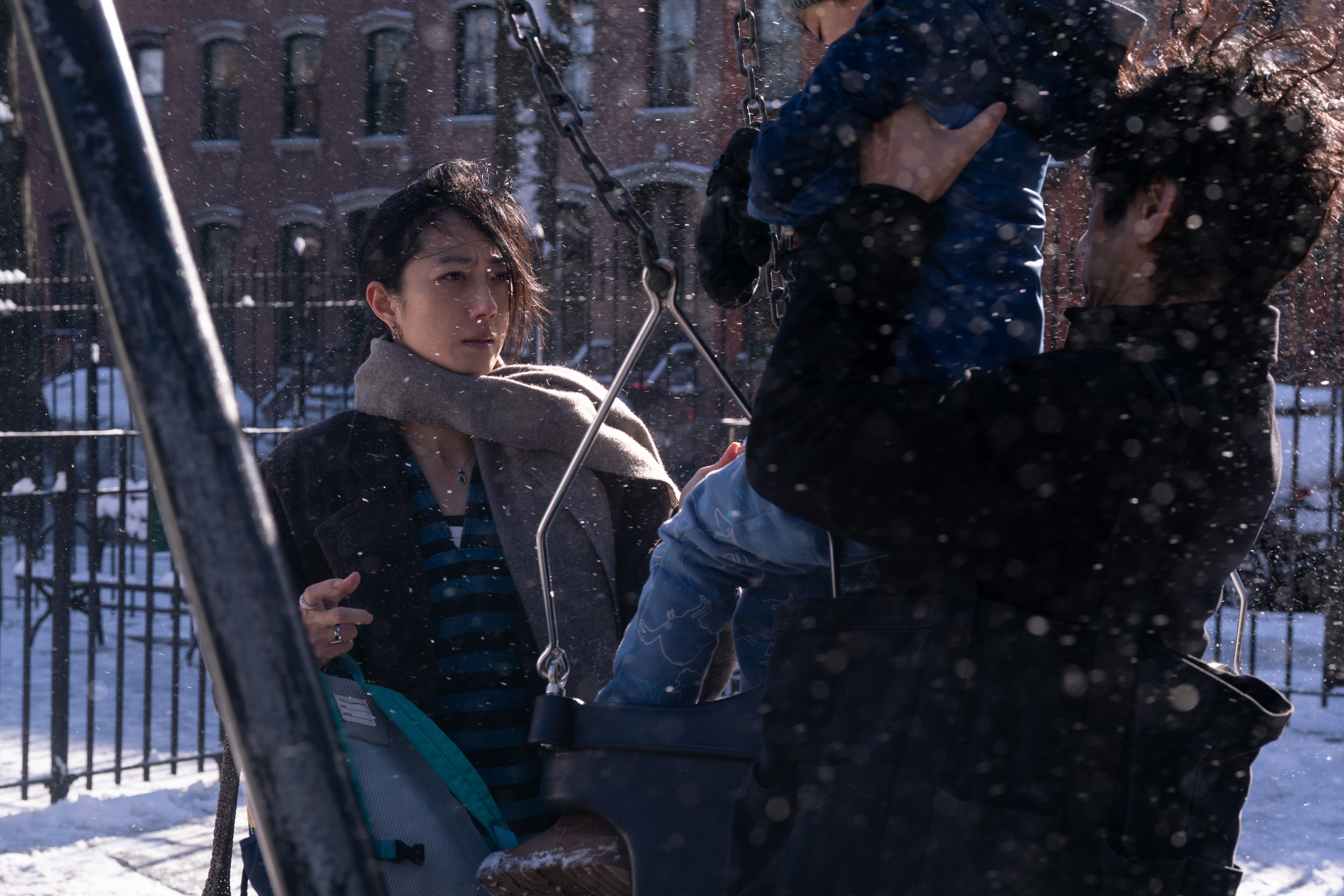
Japanese professor Kenji (Nishijima) is seeking tenure at a New York university as he pursues his fascination with ancient ruins. His wife, Jane (Gwei) is a puppeteer with a theatre company. Their son, Kei, has been kidnapped. What unravels as a result will shake the foundations of their respective feelings of identity and belonging in the city that they call home.
Director Tetsuya Mariko has long been fascinated by atypical interpersonal conflicts, rising to prominence with his gritty and grounded youth drama Destruction Babies (2016). As his intriguing new feature enjoyed its festival premiere at the Busan Film Festival, we discussed where it culturally and cinematically locates itself.
Your films have always focused people on the margins of society. How did this story and these characters come into your mind?
Tetsuya Mariko: The starting point for Dear Stranger was actually my one-year stay in the U.S. and the experience of the world turning upside down when a state of emergency was declared on the plane ride home. The people on the margins of society are not there because of good or evil, but because the absurdity of life can happen to anyone -- that's the perspective from which I wrote.
Could you tell me how your 2023 short BEFORE ANYONE ELSE led into the making of this film?
It was essentially conceived as part of a larger feature script, but the short was like a parallel world focusing on Donny. From that time, I had already decided on Yasuyuki Sasaki as cinematographer and Hiroaki Kanechi for sound.
Since the rules for filming in the U.S. are very different from Japan, that experience was invaluable. It also helped communicate the visual world I had in mind and allowed me to develop the feature script in greater detail.
How did the idea of an English-language feature at Toei come about? This is a landmark feature film in that regard.
The project actually started through my own company, ROJI. As I began gathering collaborators from overseas, I was honored that Toei also came on board from Japan. It was a moment when they, too, were starting to look beyond the domestic market and engage in international productions, and they supported our challenge.
At its core, this film is a family story, and its theme is communication. The setting is Brooklyn, New York, where a Japanese man and a Taiwanese woman are married. Their shared language is English, and I felt that having them speak in a non-native tongue made sense -- it reflects the kind of relationship I wanted to portray: they care for each other, they communicate, and yet they still miss each other in certain ways.
It was a reckless challenge, so I'm grateful if people see it as groundbreaking. There may not have been another independent film from Japan that crossed over to the U.S. and was made primarily in English. After the film was completed, the director of the Busan International Film Festival told me he was surprised that an independent film like Dear Stranger had emerged from Asia.
Could you tell me about working with a multicultural and multi-language cast and crew on this project? That diversity and what it reveals and unearths feels woven into the very fabric of this film.
That's absolutely right. We had staff and cast with different languages, cultures, and backgrounds, but their effort to understand each other was reflected in the script as well. I myself made sure to communicate more carefully than ever on set.
For example, we did a 30-minute table read before every scene and built the schedule accordingly. It may be precisely because of this kind of environment that we were able to achieve such mutual understanding.
Were there any particular film depictions of New York that inspired your approach or shaped your perception of the place prior to filming there yourself?
Having the story set in New York was meaningful for the characters. Their daily lives are already tough and busy, but they have no place to return to, so survival becomes an everyday necessity. That's why I avoided the obvious glamorous "New York" images -- because for them, that's just daily life, and I wanted to ground the film in the reality of people living there.
Still, I chose Manhattan as the location for Kenji's final lecture to add a quiet contrast, even if I don't emphasize it. Of course, I've seen the works of Jarmusch, Spike Lee, Ang Lee, and Woody Allen, but rather than emulate them, I wanted to take a different perspective out of respect.
If anything, Wayne Wang's Smoke was important for me -- also set in Brooklyn, produced by my mentor Kenzo Horikoshi -- and its unpretentious view of everyday life resonated deeply.
Could you tell me about Jim O'Rourke's score? It's classically New York in feel, but with an undercurrent of melancholy and unease - it's really wonderful.
I admired Jim not only as a musician but also for the film scores he composed for directors like Koji Wakamatsu and Kazuyoshi Kumakiri after moving to Japan, so I wanted to collaborate with him at some point. This American project felt like the right opportunity.
We met while I was still in Japan, and the visuals of the puppet theatre were especially important for our discussions. He was fascinated by the unusual instruments used by the musicians Blair Thomas brought into the film, and incorporated them beautifully into his score.
What moved me most was when he said he wanted to compose the ending theme to include Kenji, Jane, and Donny's presence. The rhythms and tones across the film link together in such an intricate way -- it's a truly masterful piece of music.
Could you tell me about the use of puppets, as a motif and as a presence? It's a striking and haunting element of the film. Was there any particular puppet theatre that sparked your interest in puppets and incorporating them in this film?
That would be Bread & Puppet. When I first encountered them in America, even without understanding all the words, it was a cultural shock. Their handwritten scripts carried strong political messages, and the greatness of their expression overturned my belief that puppetry was only for children.
Later, I met Blair Thomas, and when I visited his studio, we immediately connected over Bread & Puppet. Although I never saw his Redmoon Theater, the sheer number of puppets in his studio was enough. Later, when I saw the performance of Little Amal (The Walk) that he directed in Chicago, I decided to make puppetry Jane's true passion in the film.
There's something powerful about incorporating performance within performance also. I thought of the theatre sequences in Jacques Rivette and Hamaguchi Ryusuke's films. Theatre can mirror and illuminate our lives in profound ways.
A play within a play can be meaningful, but also risky if not done carefully--I knew from watching many films, including Wim Wenders', that it requires precise intention and preparation. The key is not to alienate the audience. What made it succeed here was Gwei Lun-Mei's genuine passion for puppetry, which turned it into a powerful sequence.
Is Michael Haneke an influence on your work here?
Each of his films left a lasting impression on me. The rigor of their realism made me want to uncover the craft behind the direction, and I once tried to emulate it myself, with little success. At the very beginning of writing Dear Stranger, I imagined hidden memories erupting into chaos between the couple, like in Cache, but that influence remained only at a conceptual level. If anything, it's more of a mirror opposite: Funny Games is the "stranger" film to the "dear stranger" of my title.
'Japanese cinema' is becoming increasingly international. What impact do you hope this project has on its audiences, and what impact do you hope it has on the industry?
From what I've heard, audiences interpret the film very differently depending on their gender, age, or background, which even gave me new insights. At the end, Kenji and Jane find no single "answer," but even through their differences, there is a core of love for the neighbor they had long avoided. I hope the film offers viewers a glimpse of a better future, and that it can resonate with their own lives.
As for the industry--because I'm still inexperienced, all I can say is that filmmaking always requires facing both art and commerce, and we should keep aiming high. Recently, it seems to me that both the way things are in the West and the film companies themselves may have lost a bit of their ease. Whether this film is judged good or bad, I hope the industry at least recognizes how reckless a challenge it was, and that such risks are necessary. For my part, I need to face the next film without fear. My hope is that someday there will be an environment where people can once again dream and enjoy films with hope.
Dear Stranger was the Closing Night film at the 2025 Taipei Golden Horse Film Festival. Visit the official festival site for more information.