YOUR DEAREST, DARKEST FRIEND Interview: Character Actor Legend Ted Raimi on Asking the Real Questions about Horror

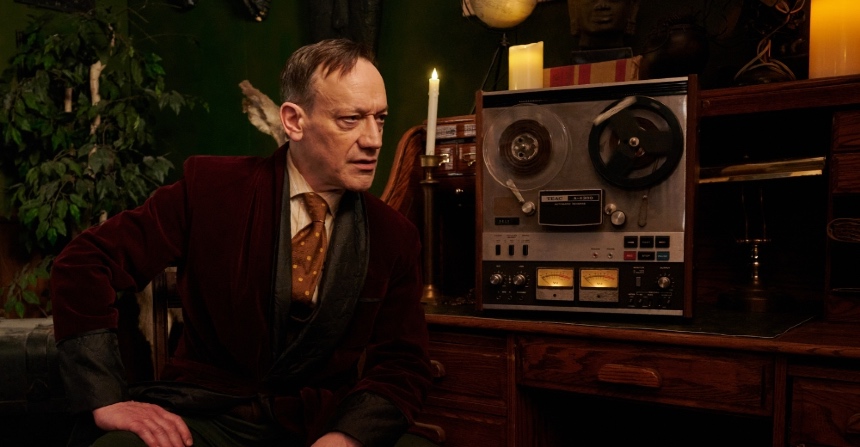
To be a Raimi is to walk your own line.
That's at least the evidence so far of the filmmaking dynasty behind the Evil Dead franchise, a forever independently-spirited venture that began through hard work and the power of friendship and brotherhood. Director Sam went on to redefine the biggest genre of the 21st century, co-writer Ivan shares his time between the emergency room and the writing room, and character actor brother Ted? Well, there's many places you can find him.
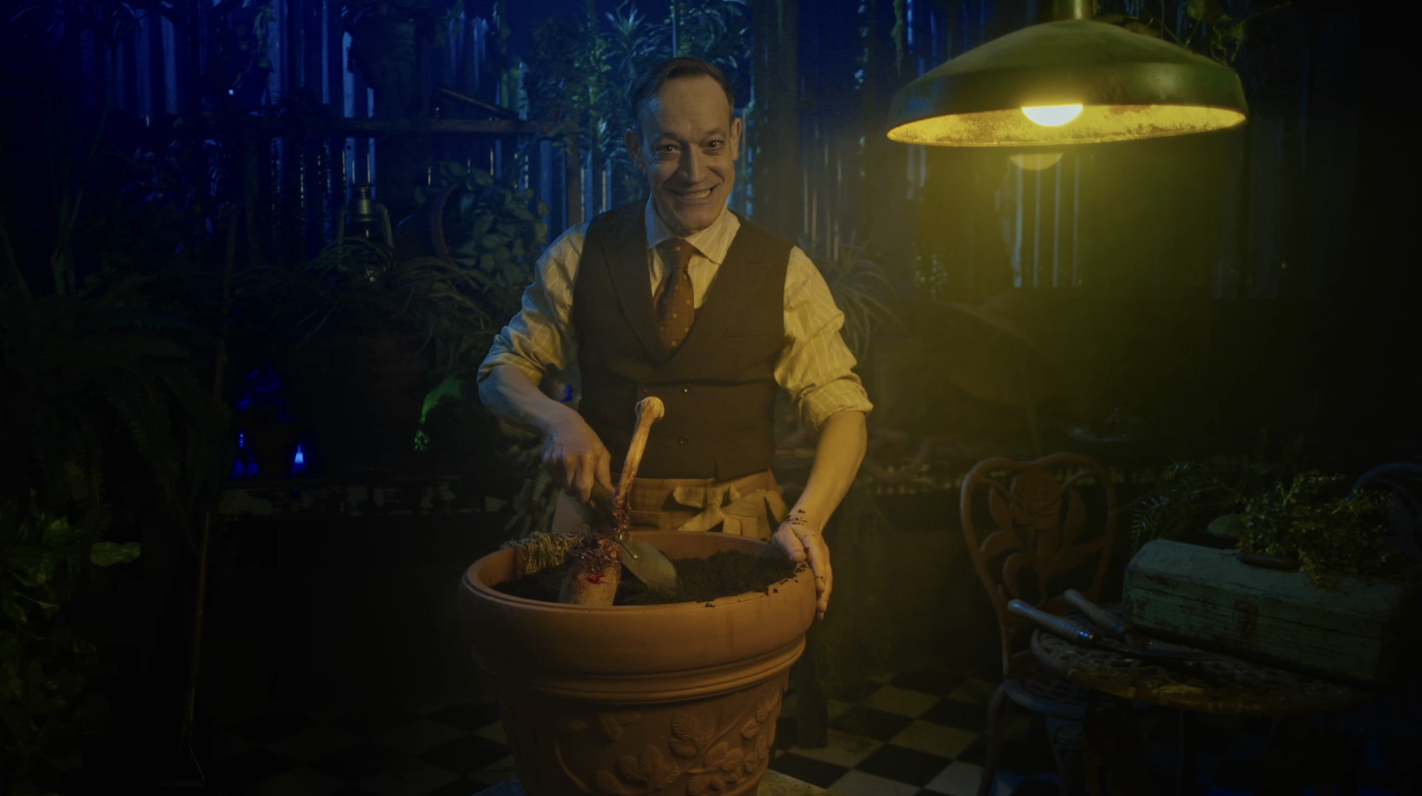
We spoke to Ted Raimi last week about his new talk show, Your Dearest, Darkest Friend, a sincere, gothic spin on a genre with seemingly nowhere to go. Drawing on his rich past as a cameo king, a bit-part player with a game face for days, and also a macabre leading man in his own right, we delved into the cobwebbed world of Ted's bold new spin on the talking heads genre...in some ways more literally than others...
ScreenAnarchy: It’s a pleasure to meet you, Ted, thank you for giving me some time today to talk about your latest venture. I just want to say I’ve been a fan of yours since my first encounter with TWIN PEAKS - I remember going “oh wow, a Raimi!” when you stole a few scenes as Heavy Metal Youth at the end of the second season, and I think that has been my response to so many times that you’ve turned up in so many great things. You’re a character in YOUR DEAREST, DARKEST FRIEND for Bloody Disgusting’s Scream Box streaming service; could you tell me about your new project?
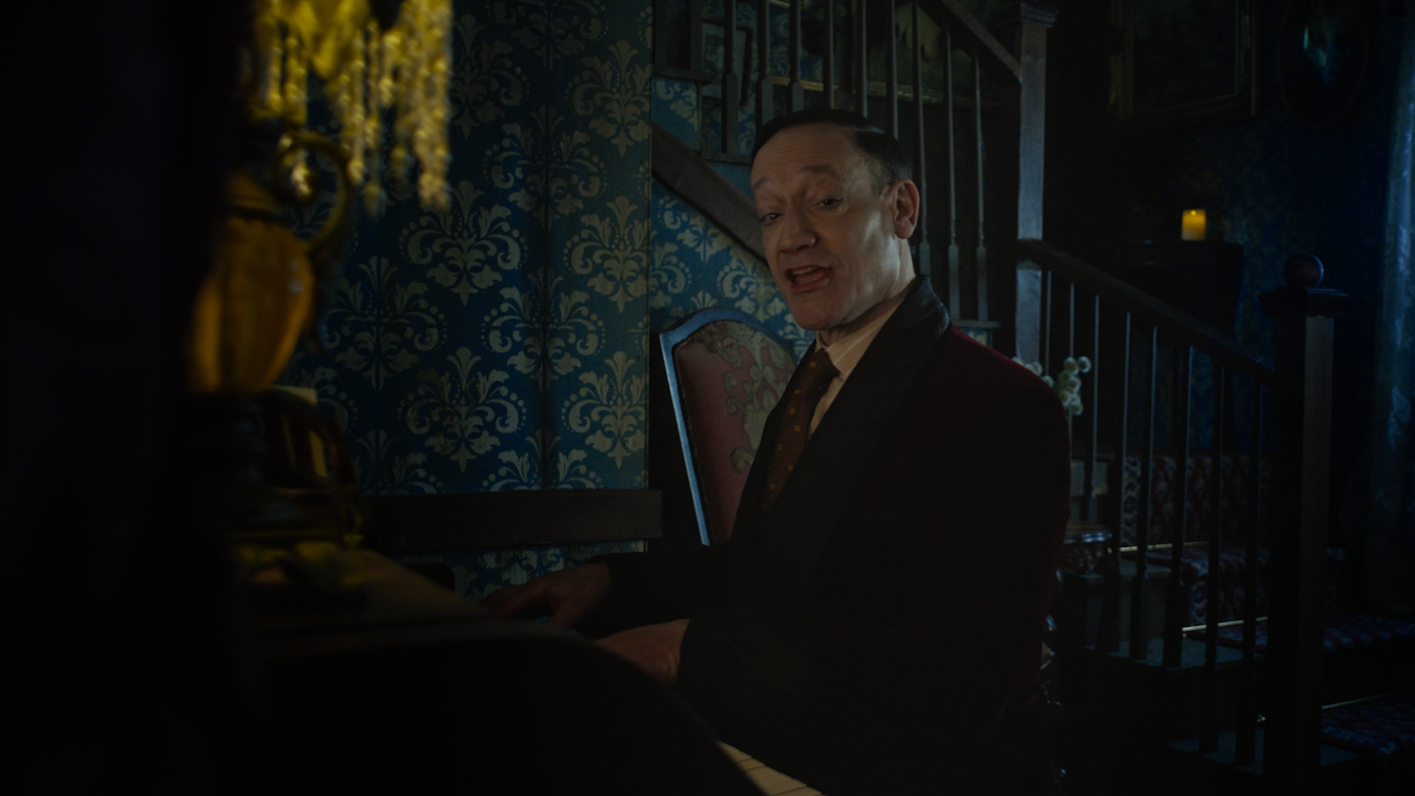
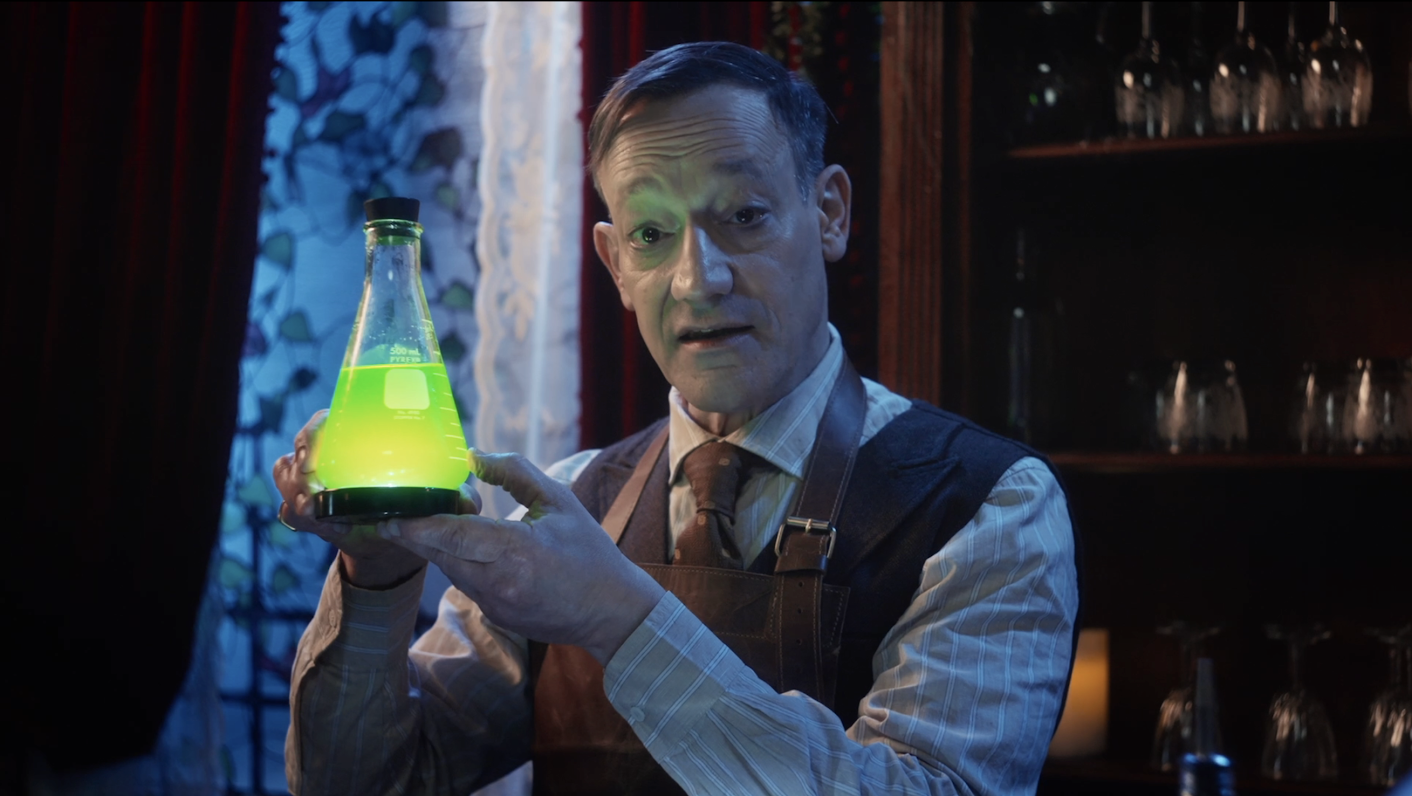
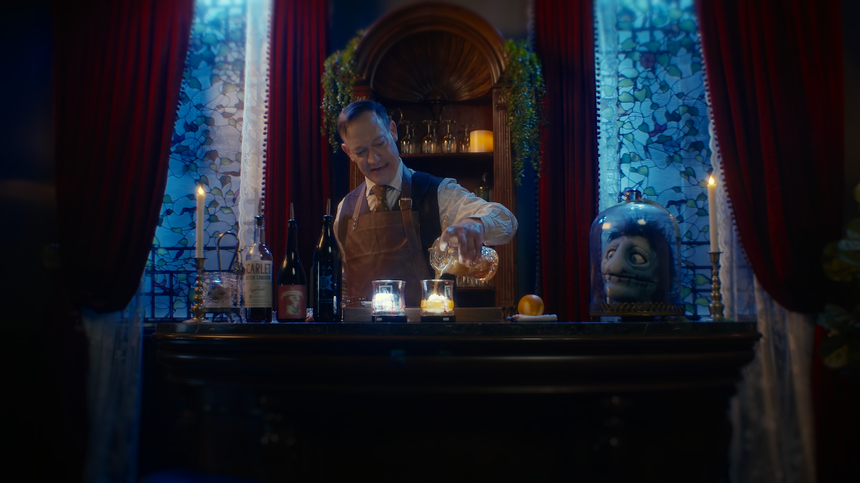
Ted Raimi: Yes, it is a talk show, a very atypical talk show, for horror insiders only. What makes it different from a traditional talk show, where I might be sitting at an oak desk with a love seat and two club chairs for my guests, in this case, I'm inviting the guests into a crumbling old Victorian mansion, which sits at the edge of an old crumbling industrial town. I ply them with drinks, walk them around the house, get them out of the seated position. Later, when everyone's a little more comfortable, we sit down and have good, serious conversation about the genre.
I wanted to do the show because I was very tired as an actor being in the business for 40-plus years of getting asked trite questions about horror films. But now that horror is having a moment, I thought it was a good time to ask insiders serious questions. And now they have enough fans that will love to hear it…and mostly there's a company willing to pay for it that we can get. So that was a big deal.
[laughs] Yeah, that's a very vital component. I'm very glad that it doesn't exist as a podcast, and that you haven't skimped on the production values. In fact, you have incorporated some freaky little puppet guys in there that are both friends and enemies. Could you give us a peep into how they were spawned into our realm?
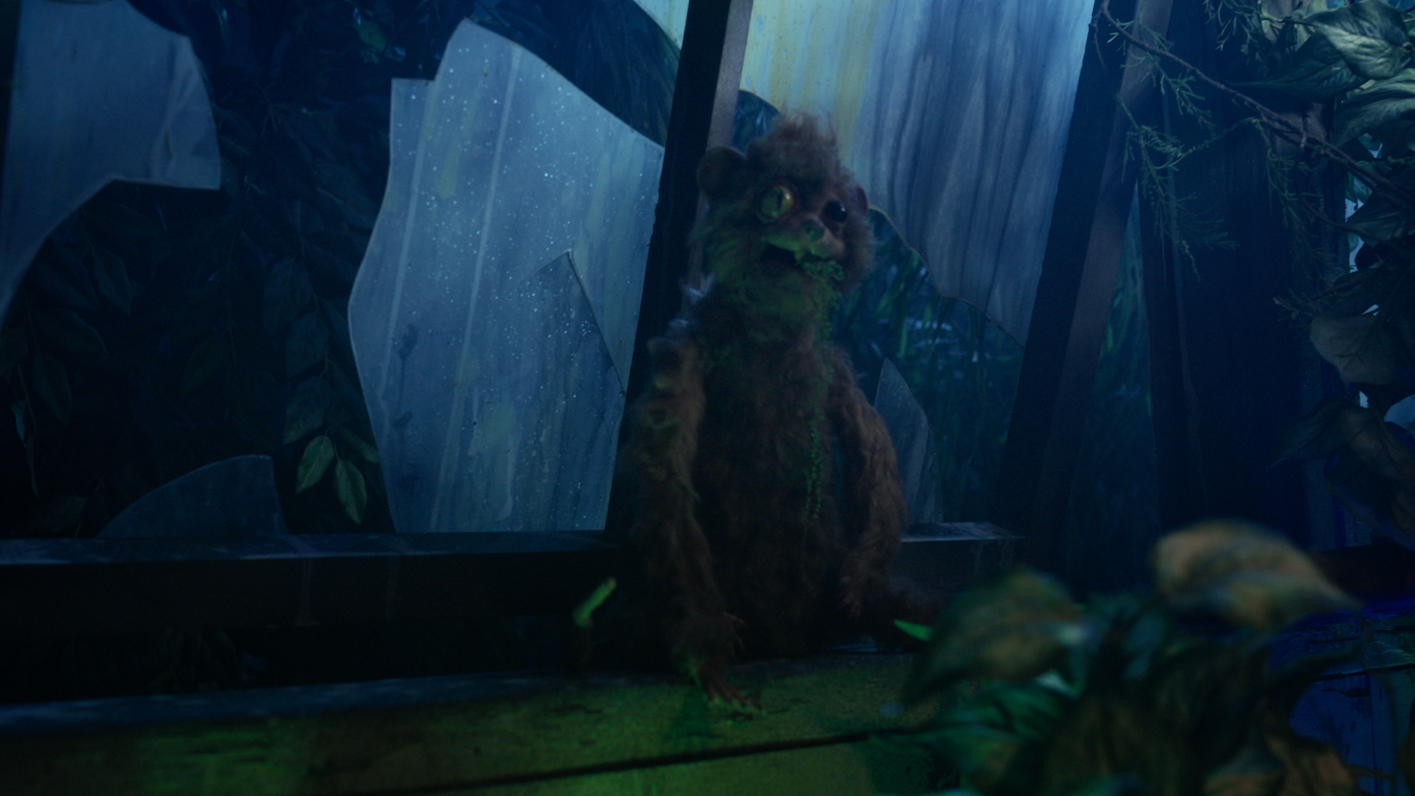
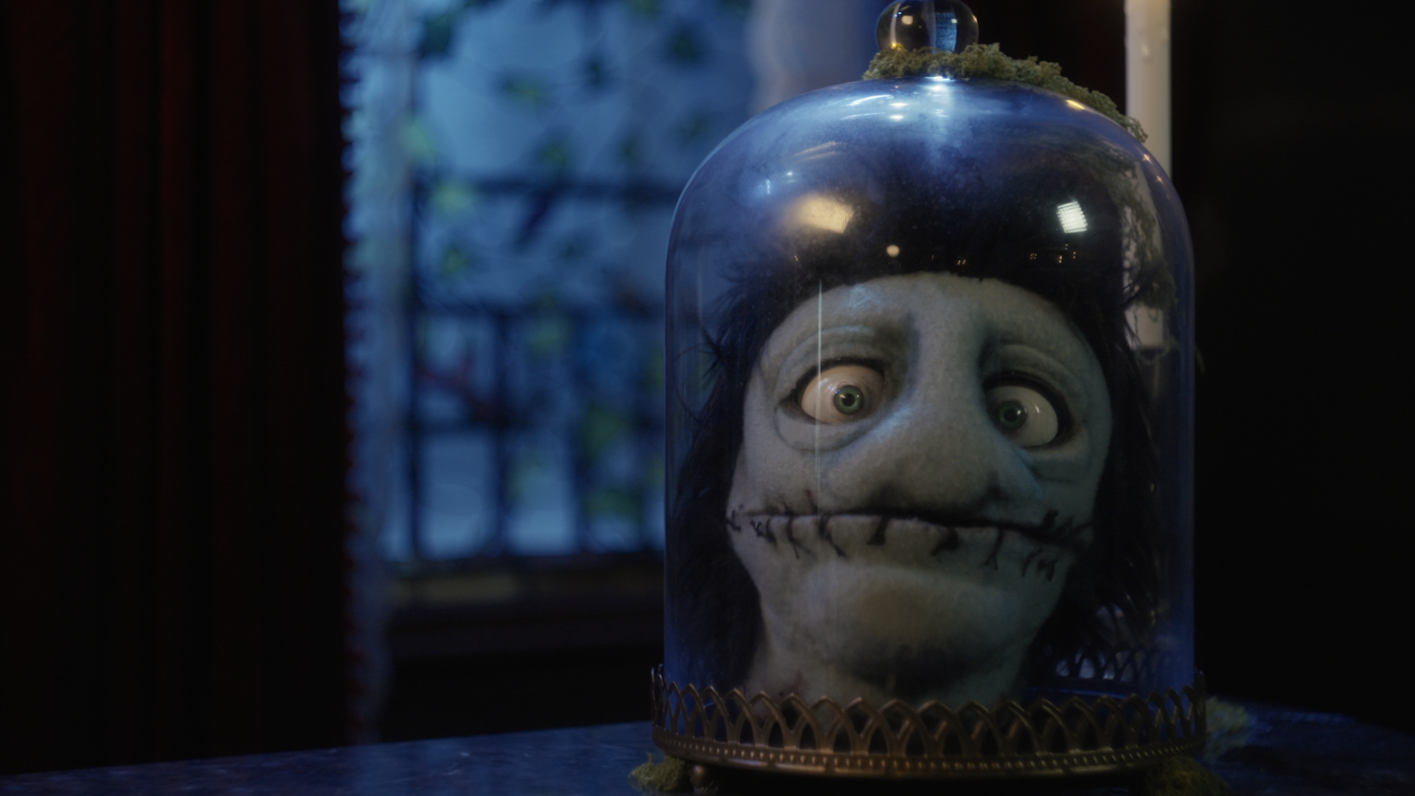
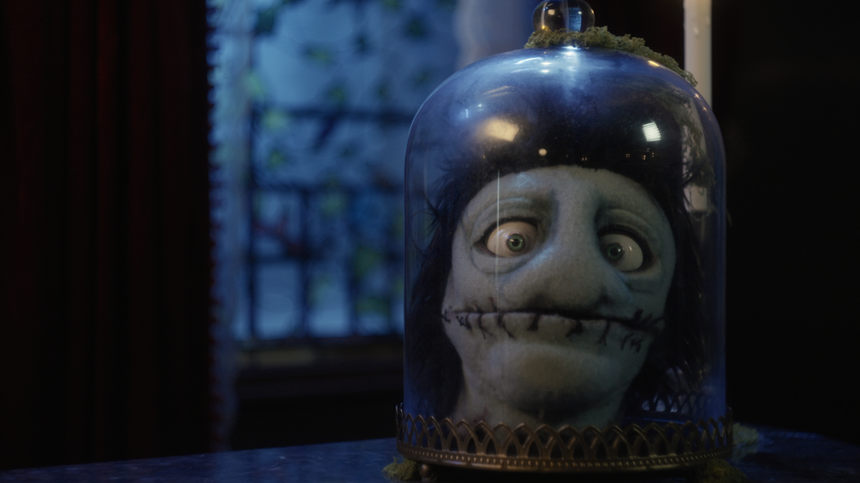
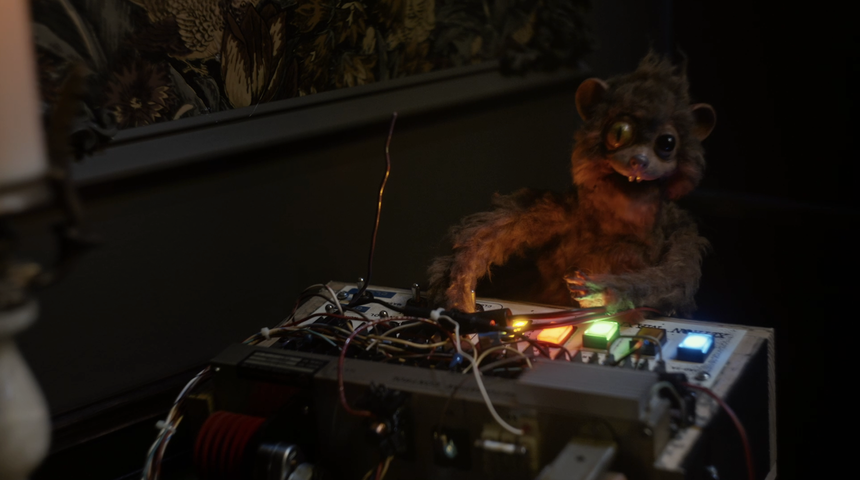
Horror fans know very well about animatronics, puppets, blood effects. And I wasn't going to leave them cold for this show. Horror fans want to see something. But I didn't also want to make it absurd, so I decided to make them half comical, half not.
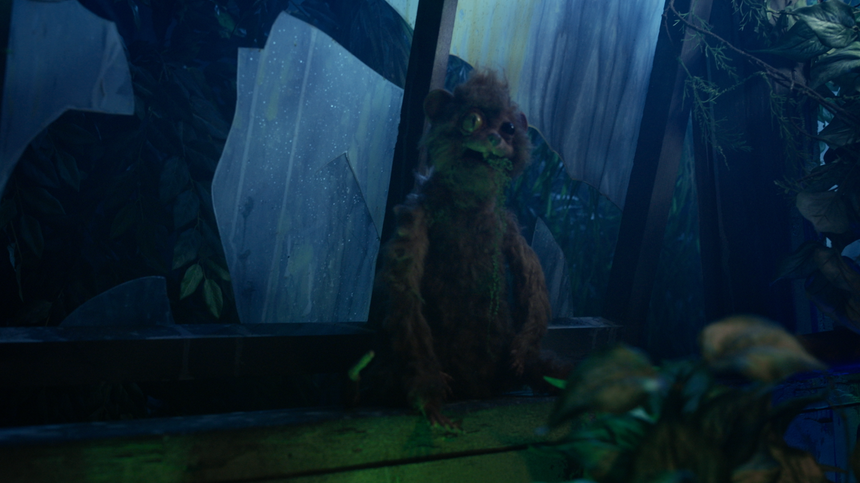
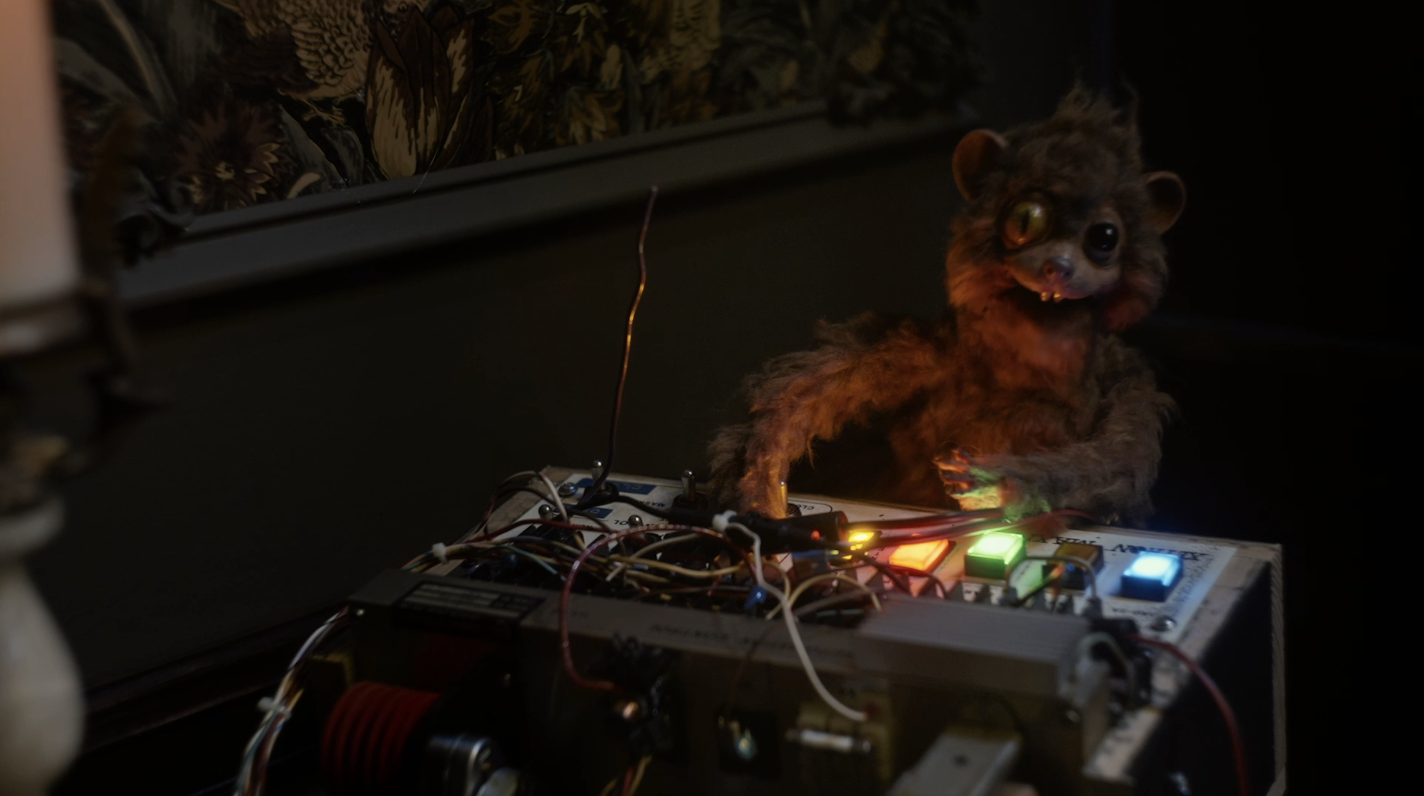
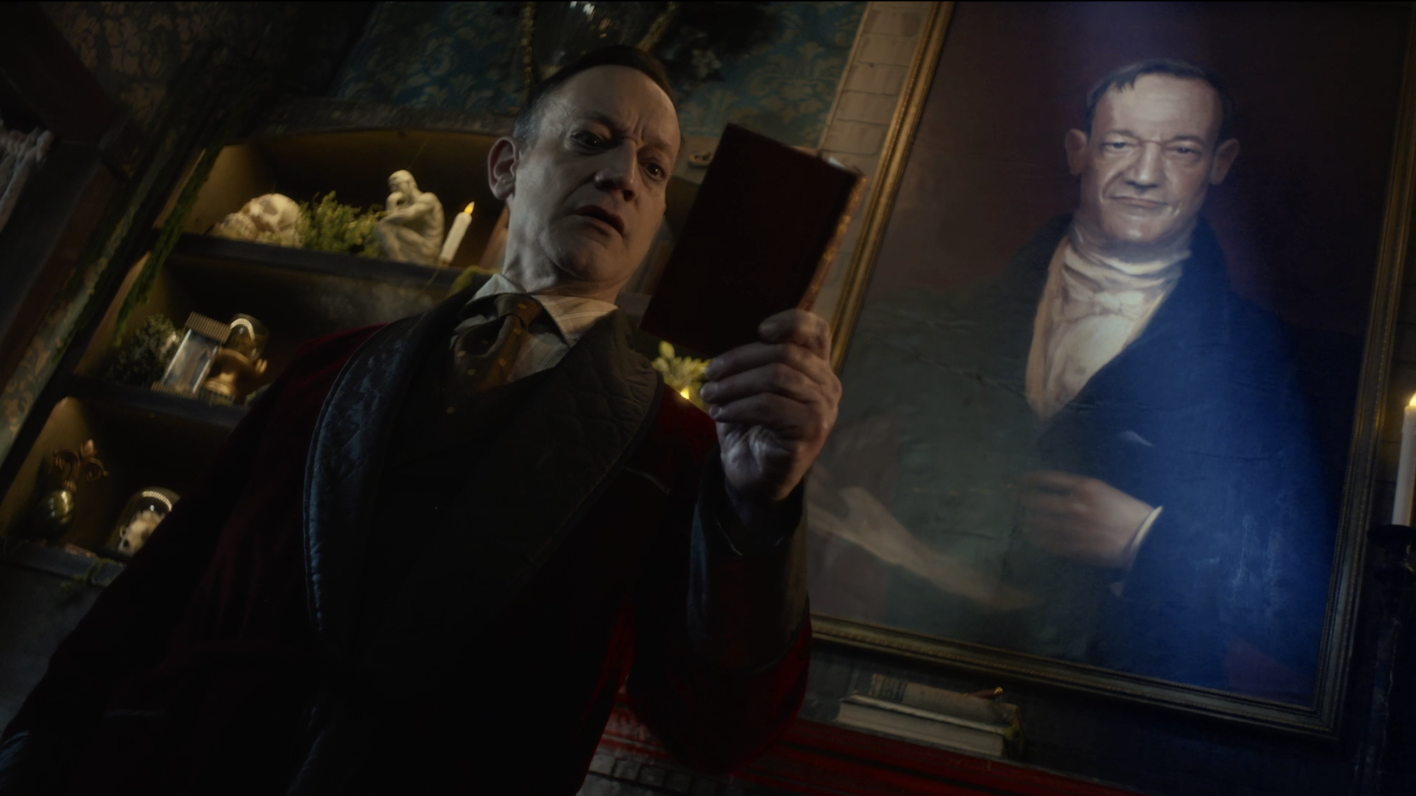
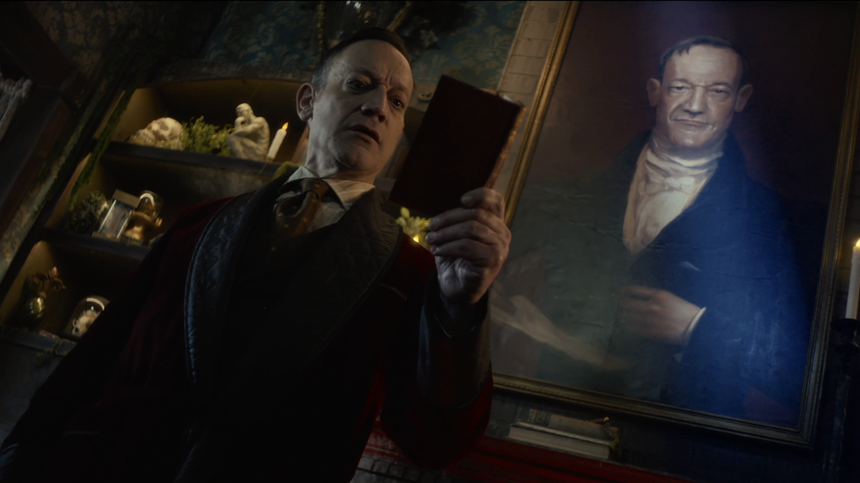
Along with me in this house is the guy who I killed to get the house: Mortimer Dustworth. The other is a half-decaying rat named Ratthew. He's really my companion that the guests are forced to contend with. This show would be as though if Alfred Hitchcock Presents and Pee-wee's Playhouse had a baby.
That's a good comparison. I was thinking more, at least from your persona that you bring to this, it's a little bit James Lipton meets Gomez Addams. Is that fair to say?
Very good. I might steal that from you.
Oh, feel free, feel free! So, what are you bringing to the talk show that your average talk show host can't with that persona?
Well, being an insider myself, I'm first speaking to them on a one-to-one basis. This isn't somebody who has never been in the business, who's trying to understand it. So we start there.
We skip all of that nonsense that most talk shows do. And the audience now understands completely how movies are made. They're not confused. It might be an interesting story here or there, but it's all so common knowledge now that none of that is very interesting any longer.
So we just go right into the grit as soon as they sit down: We talk about specific directors; how we deal with things like prosthetics and blood and late nights; dealing with difficult and easy directors; things of this nature. There are questions that I wish that I were asked over the years, but never, never were. And a lot of actors also have gone through the same thing.
The questions we get most frequently asked when it's a sound bite, when a guy walks up to us at a premiere, is usually, you know, “Was the house actually haunted that you shot it? Did you see any ghosts? Did, did anybody get crazy while you were shooting the crazy scene? Did that really happen?” It's just the most ridiculous thing, you know? No, that didn't happen. I mean, yes, people got crazy. The crew was pissed that we had to shoot till 2am, that the pizza was cold, but other than that, no, it's like any other movie.
I got tired of all that stuff. I know other actors and directors are too. So we just got right to the meat of the matter for the show.
I really appreciate that granular detail as well. One of your guests, Barbara Crampton, she said something very insightful about her recent revival: Her new chapter was due to basically giving herself a couple of good roles as a producer, as a creative, rather than an actor being offered or auditioning for a role, to which you really light up and you like very enthusiastically agree. What would you say to somebody who is building their new character from the ground up as a journey of self-discovery, much like you are here too?
Yeah, I'm doing it right now with this show! You can't wait. Don't ever wait for somebody to hand you something. It will never come. It's never going to happen.
If you want to be a TV star, say you go to LA and you just wait for somebody to call you…you will wait until you are dead. Nobody will call you. That's never going to happen. You have to make your own world, and then people will start to notice you.
You can't wait. And that's true for me as well, who's been in over a hundred movies, it doesn't ever end. There's never a time where you just sit back. You have to keep writing and creating, but then, if you don't want to do that, you probably shouldn't be in this business. There's many easier businesses.
I don't even say this flippantly, although it sounds flippant, but when young people ask me, how do I become an actor? And I tell them, “Don't be.” And the reason I tell them that, is if at that point they go, “Oh…”, and they get bummed out by my answer, then I know they shouldn't be an actor. But if they go, “Oh, come on, come on, tell me, what's the thing?”, then I know they're interested, because there's so many better jobs.
If you have any other inkling in this world than to be an actor, it is a really hard life, but if that's all you want, go for it. You have no other choice anyway, it's really the only path you can choose. But if you like other things in this world, I would always tell people do those things instead.
This also feeds back into your past as a character actor; I've been listening to a few podcasts recently where you’ve talked about like the spirit of the character actor. You said of your friend, Bruce Campbell, he's a leading man with the spirit of a character actor.
He is!
You have also played the occasional lead in your time. I watched LUNATICS: A LOVE STORY recently, which is really, really fun. SKINNER, too, also a very adventurous film. You’ve kept that eccentric spirit of the character actor throughout your career, even when you were in a leading role. How does this blend of Ted Raimi (Character Actor) and Ted Raimi (Leading Man) feel to you right now?
I would say…there’s no such thing as playing a leading man or playing a character actor. I don't mean to be dismissive of your question. It's just that there's just the people in my head. That's all there is. You plug yourself into the whole of the movie as best you can. And the only way I know how to do it. And for many directors and casting directors, it's like, “Whoa, what are you doing?” And some are like, “That's exactly what we need!”
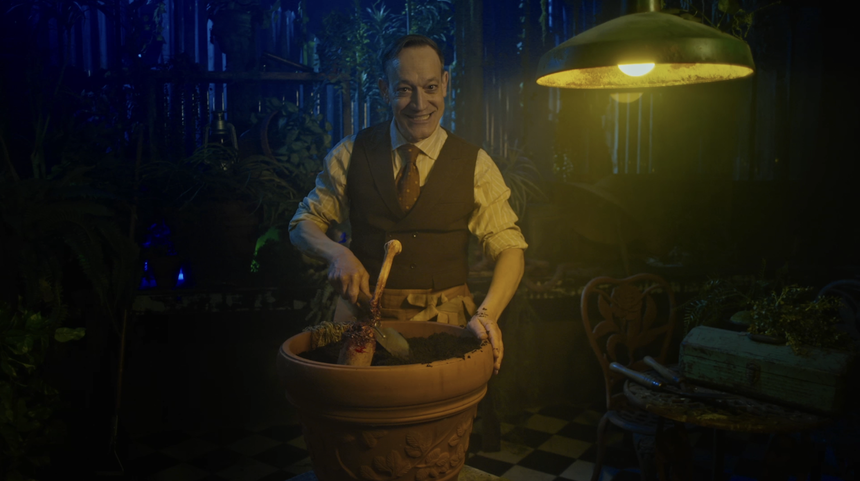
So, I never really try to differentiate between behaving one way as a leading man and behaving another way as a character actor, except for the fact of trying to save my energy as a leading man. For character actors, typically, you're on for two, three days, maybe a week, and you can blow all your energy, and then crash. If you're leading man, you've got to be on for three to four weeks at a time. So you’ve got to conserve your energy.
But I think, yes, in my heart, I'm much more bizarre and I make more odd choices than most actors would. And either you like it or you don't like it, but when I'm a leading man, I'm just doing the best I can. I completely understand your question. It does appear as though there's this character actor out there as a lead, but…if you hire Ted Raimi, that's kind of the performance you're going to get.
Yeah, that's the brand.
Yes. There are many actors who can kind of dampen their performances from being a character actor into a leading man to make it a little more calm and steady. But I've always thought generally playing leading men, and the few times I've done it, even did a picture about three years ago, it was a drama called Failure!, a straight drama.
I enjoyed it, but it's much less interesting to be a leading man than a character actor. That's because in Western drama, typically the leading man is the one who things happen to. And the characters that make things happen to him are the character actors. And it's much more fun to be the guy that throws the pies and one to receive.
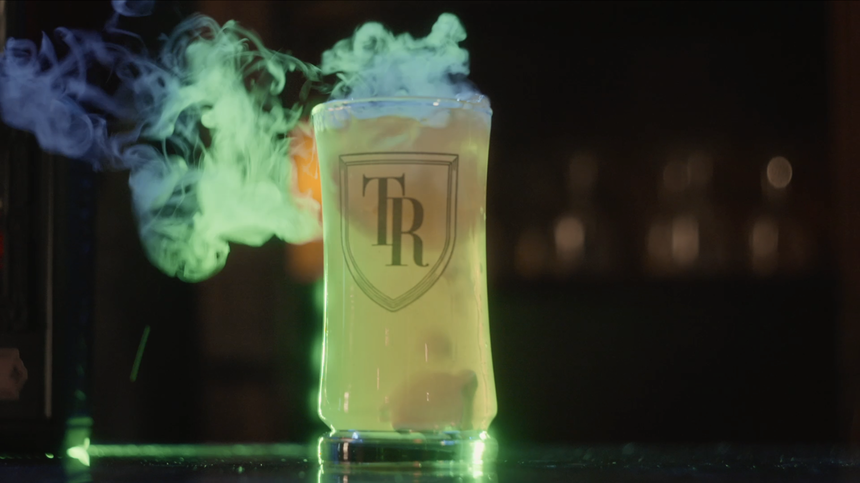
I wanted to highlight something else that I really enjoyed in YOUR DEAREST, DARKEST FRIEND and it's the libations and mixology segment of the show. It reminded me a little bit of, well, have you ever seen Vincent Price's cooking show, COOKING PRICE-WISE?
No, I didn't even know he had one. Is it good?
It's great! He brings like this slightly macabre presence to what is literally just a cooking show in a Paisley kitchen, where he's wanting to share with you what he's discovered on his travels around the world and trying to recreate that a little haphazardly, but it's really terrific.
That sounds great. Actually. I'd like to watch that, let me write that down...
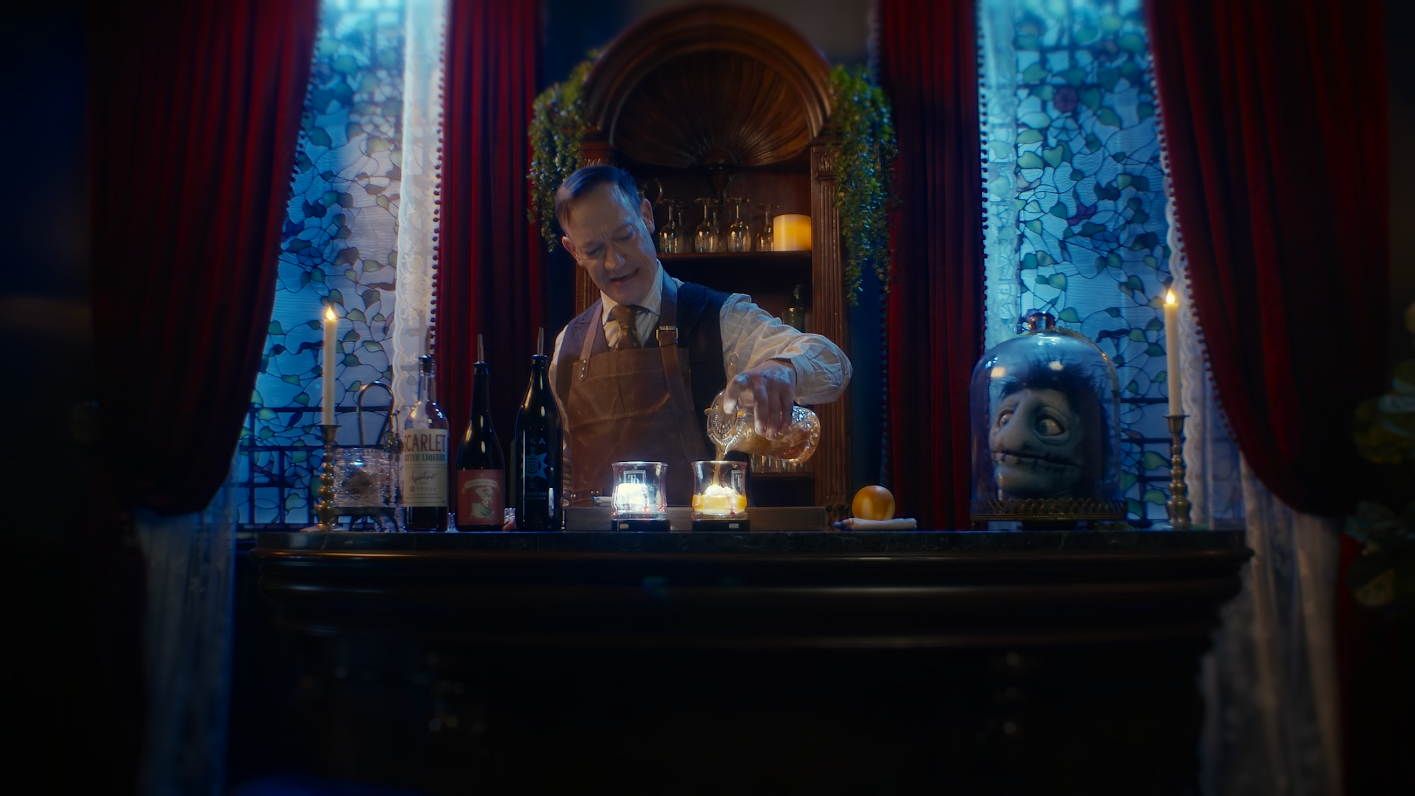
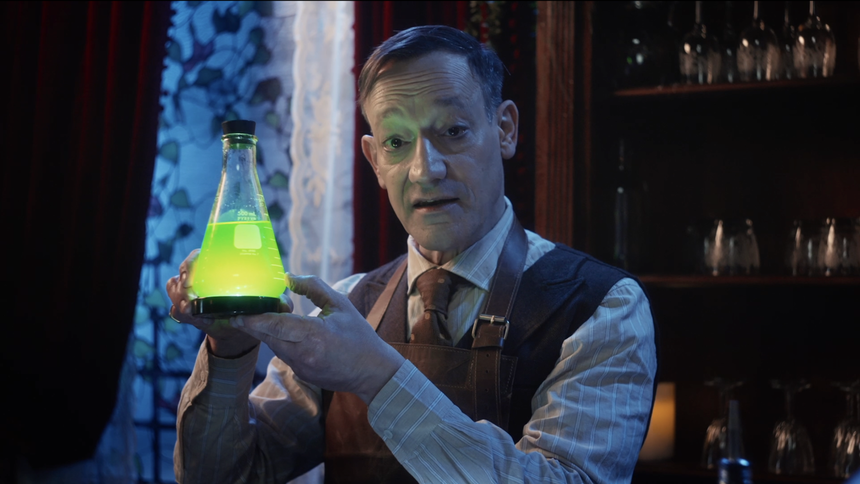
Oh, I'm so glad I've been able to share this with you. I was just wondering, what sparked your love story with mixology?
[thoughtful pause] A lot of failed auditions. [laughs] I'm going to console myself at night after really bombing out in front of the casting agent, I might as well make a good one.
But also, my dad had bourbon, one or two drinks every single night after he got home from work. My dad liked the straight booze. I started mixing fancier ones, and before my dad passed, I started giving him some fancier drinks, which he loved. And I think he wondered why he didn't do that his whole life. So I was very happy.
Oh, that's nice. I was wondering as well, is there a particular Halloween cocktail that would be very good for people celebrating All Hallows’ Eve?
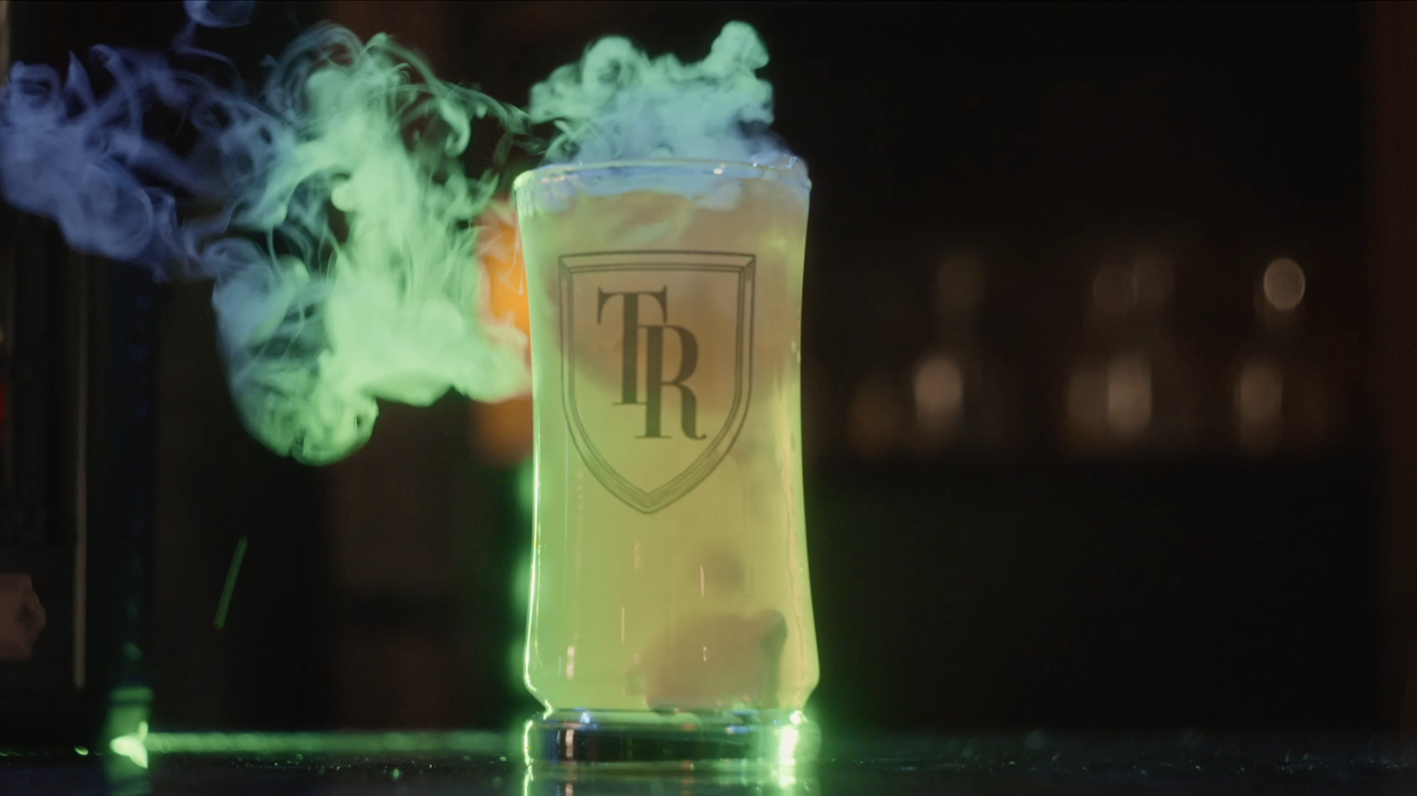
There's one I really like to make called the ‘Sir Graves Ghastly', and it’s named after a horror host from my old hometown of Detroit, Michigan. Here’s how I make it: three shots of bourbon, two dashes of bitters, cherry, muddled lime and muddled orange. Then, if you have it, dry ice over the top for the atmosphere and drink that sucker down.
I think drinks are overcomplicated: that's why I wanted to not make them too tough. I wanted to make things that people could make easily at home for the most part with just one or two or three things. There's nothing wrong with an Old Fashioned. They called it an Old Fashioned for a very good reason; it's the oldest drink in the world, probably, and I think it's still one of the best.
If it ain't broke, don't fix it.
You can tweak it, but you don't have to throw it out.
I know this is slightly one of those “was the house haunted?” questions, but if you were to conjure a guest who is no longer with us from the spirit realm to appear on YOUR DEAREST, DARKEST FRIEND, who would it be?
That's a good question. Let me think. God…who’s dead? I would choose… probably though he's an incredibly, famously difficult person, and he's a wild man, probably either Bella Lugosi…or Moe Howard: either one would be great. Bela Lugosi would probably throw something at my face.
But Moe would be a laugh?
Oh yeah. Moe would be great. I would love to hear from either of those guys, Hollywood in the Thirties and early Forties, it would be awesome to talk to him for an hour.
Yeah, absolutely. There would be some seriously unsafe set stories, I think.
Oh yeah.
I guess even more unsafe than, than your experiences on EVIL DEAD II, obviously with like all of the wire work that you went through with Henrietta.
Well, that was pretty safe. I mean, we had proper stuntmen rigging me. Stories about that, that it was unsafe, or I was being tortured? No, none of that's true. Very above board, regulated. They had stunt riggers, they had professional wire workers.
It was a real deal, but I think, in the Evil Dead-osphere, it's become some kind of a ‘late at night in the middle of this abandoned building’ and they've strung those stories up a bit now.
Okay, great. So protocols were followed, good to hear. I was just going to say as well, I actually managed to catch THE EVIL DEAD last year on VHS at my local cinema, and seeing it with an audience on that format, you could really tell why it sort of made such a stir back then. I was thinking about how raw that format is.
And I'm sure you must have remembered like the controversy that it caused. It was vilified and rejected and it was even illegal in the UK. And now it's become adored and accepted all through this physical media storm. But now, all of this stuff is available at the push of a button, much like YOUR DEAREST, DARKEST FRIEND. Do you think people's viewing habits are now changing the way that they're able to process the horror that we see?
Absolutely. They can see so much of it anytime they want. There are a number of streaming services that cater exclusively to horror that you can watch. You can find it all day, every day.
In the end, I think that ‘gore horror’, which was once surprising, you could only see it at the drive-in or at a third-rate movie theatre, was once quite shocking and it made its mark. But now, they're just comical because you're so inundated with it that…blood and guts? Nobody cares anymore.
The movies that last, the cinema that resonates, are the ones where (for me, anyway) personal tragedy is the last moment of the film, where the hero who you love, and you must love and find some affection for, can no longer get out of his or her situation and fails. This is the horror now. This is, I think, the horror that lasts. It's the movies that I only really go back to almost exclusively.
I love classic cinema and classic horror and gore and all the Italian masters in the 60s and 70s, early American, early British horror, great stuff. But the stuff that really lasts now is the stuff where you have body horror or you have psychological terror, but if the hero doesn't get crushed by the horror at the end, you won't remember the movie anymore because no one cares about it.
How many more shark movies can you stomach? How many more killers in a closet with a knife can you take? It's comical now. So you have to go beyond that. People are already inundated with it. And that's the answer. There's just too much of it. But you can resonate provided you do the oldest formula in the world, which is make a character that people care about. It's also still the most difficult thing to do, as it always was.
Exactly, like, THE EVIL DEAD has many great things going forward, but the fact that Ash does lose so unceremoniously at the end…yes, it's a punchline, but it's a punch line, if you know what I mean. It's a knockout.
I think it's just black humor in a sense too, because while all of his ignorance and idiocy has gotten him through the most absurd situations, mostly by luck and bravado, in the end, it doesn't serve him at all. He's just left his same idiot. But the joke of the matter is he's so dumb, he doesn't know he's lost.
Oh, bless him.
He’s so full of himself, he doesn't even know he's lost the fight.
What a man, what a man. I have one last question for you, Ted. Once YOUR DEAREST, DARKEST FRIEND has finished season one (hopefully season two is on the way), where can people find you next?
I'm currently in talks to, well, more than that actually…I guess I've got everything but my plane ticket, but I’m going to Australia to shoot a new picture with this very talented young director. Fortunately, I can't tell you the name of the picture because it's in NDA at the moment, but I'm another diabolical weirdo.
Oh, fantastic. I wouldn't have it any other way.