Kino has been aggressively going through their catalog and upgrading their older releases to 4K for awhile now.
For that I am grateful. They’ve also been producing new extras for their discs, which is most welcome indeed for collectors out there being forced to double dip.
It got me thinking about double-dipping as a collector strategy. At its worst, double dipping is when a company re-releases the same disc over and over again, making only marginal improvements on the product, like new packaging or adding some rinky-dink, thrown-together special features.
It can also be the case that the company in question releases multiple versions across various retail partners that have separate special features, forcing purist collectors to choose between them or treat them like Pokemon and try to collect them all. Thus, a once fairly affordable hobby becomes more cost prohibitive. Needles to say, the term 'double dipping' was, for a while, pretty pejorative.
But a funny thing happened in the home entertainment media market a few years ago. Companies increasingly licensed their catalogs and titles to other companies. Now, this wasn’t an entirely new phenomena, just less prevalent. Take The Criterion Collection. They built a small empire on getting ahold of older titles and sprucing them up with new transfers and copious extras that the original home of the title, say Warner Brothers or Universal, didn’t want to pay for.
They also scooped up the rights to foreign titles and made many available in America for the first time. Remember, this is in the days before multi-region media players or the multi-region format of 4K became such a big part of the market.
You couldn’t easily go online and buy the Japanese market release of a cherished Akira Kurasawa film. Now you can go on Amazon and get discs from all over the world, multi-region disc players, and so forth. Want the 3D version of a film that only released on 3D in Europe? No problem. Want a snazzier deluxe edition of The Keep (1980) or a less expensive version with good extras and a cool slipcase? The point is that, overall, repurchasing titles has become a bigger part of the hobby and overall carries benefits for the collector, not the least of which is choice and access.
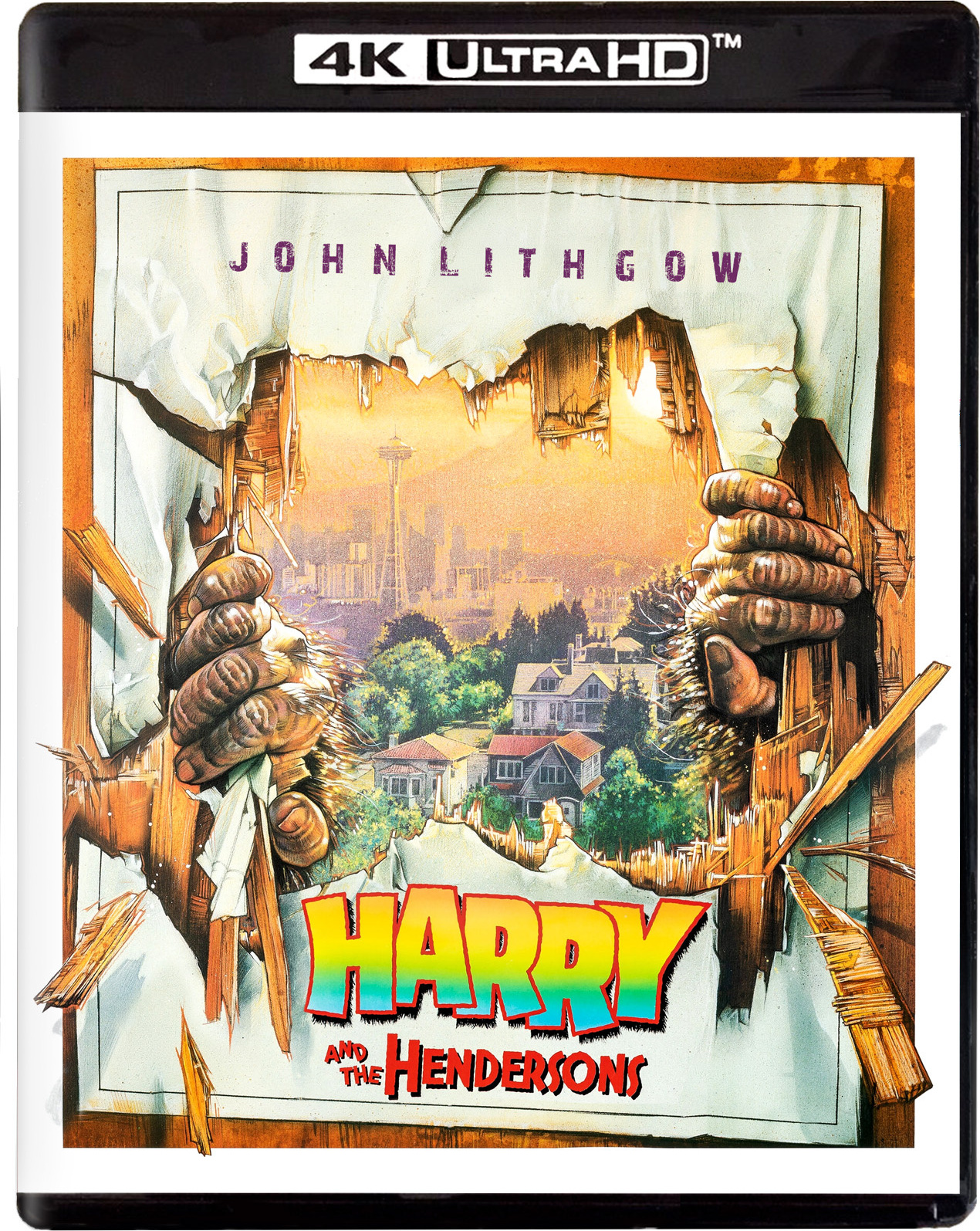
For myself, slipcovers and steel book packaging, while nice, aren’t enough to repurchase, but upgrading to 4K with substantial new special features is a definite draw, depending on how much I love a particular film. For example, for the longest time, my only copy of Harry and the Hendersons (1987) was the original DVD release, which had okay extras. Kino has now released a 4K upgrade containing three audio commentaries (two of them new!) plus all the old assorted featurettes and deleted scenes.
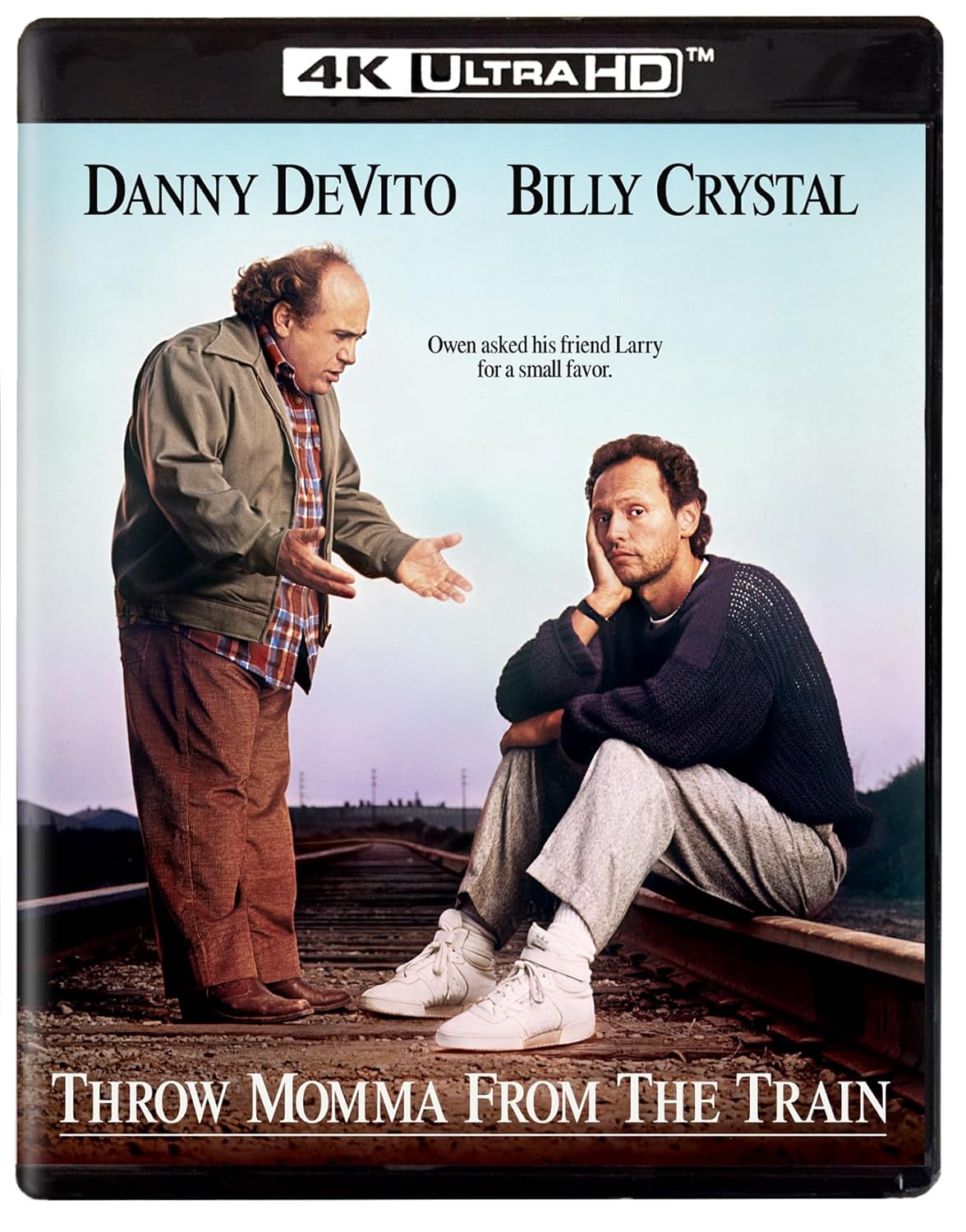
Likewise, Kino’s 4K upgrade of Throw Momma From The Train (1987), adds an audio commentary, an interview with the great Barry Sonnenfeld, and assorted featurettes that the previous releases lacked. Throw Momma From The Train was the directorial debut of Danny DeVito, who went on to direct The War of the Roses (1989), Hoffa (1992), Matilda (1996) and the greatly under-appreciated Death to Smoochy (2002). Simply put, it’s one of the best and certainly funniest Hitchcock homages ever made, re-imagining the brilliant Strangers on a Train (1951) as a revenge farce featuring Billy Crystal at the height of his comic brilliance and the extraordinary Anne Ramsey (The Goonies, 1985, Deadly Friend, 1986), whose performance here earned her an Academy Award nomination for Best Supporting Actress.
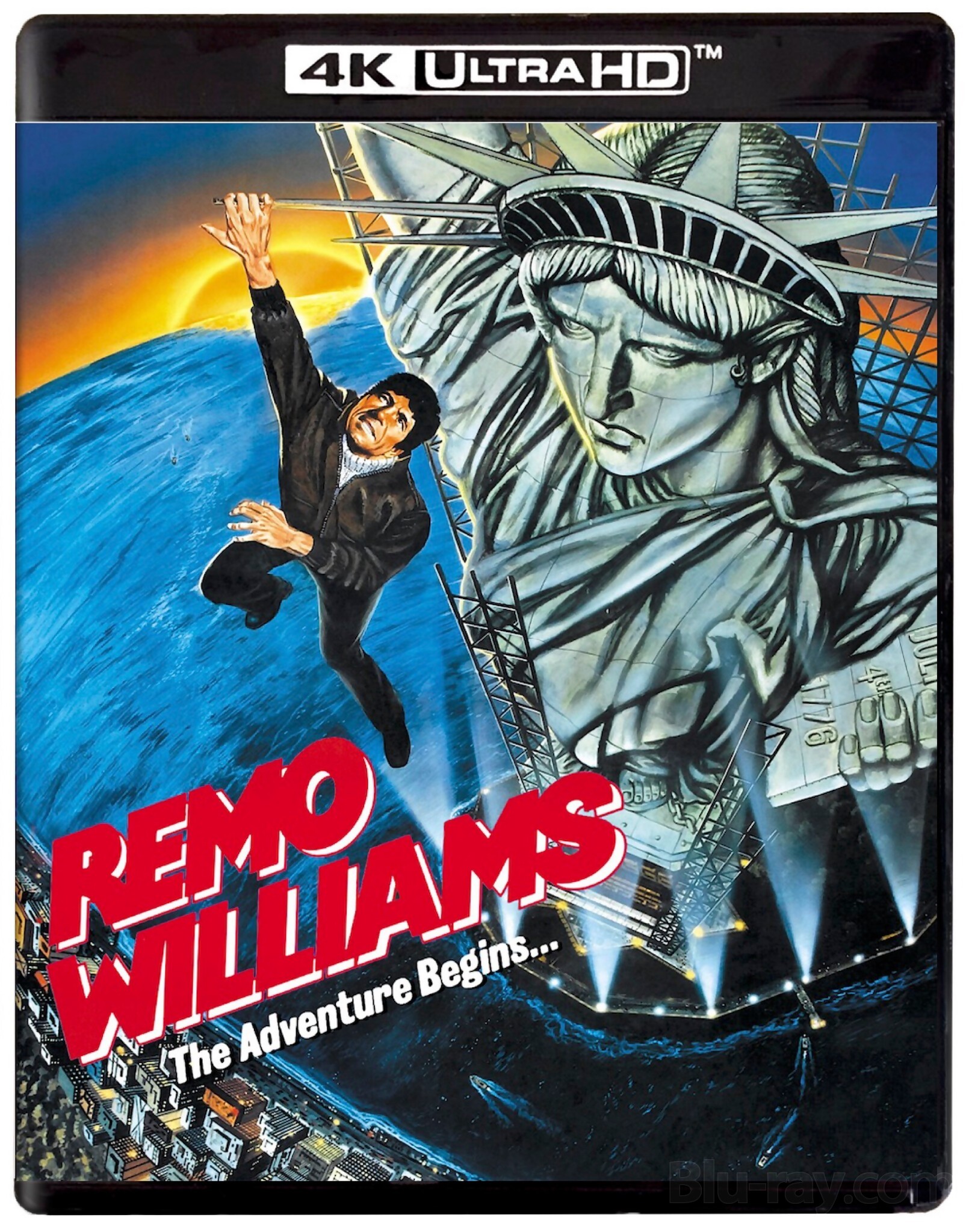
Another Kino 4K upgrade, Remo Williams: The Adventure Begins (1985), has seen some special love in the past on it’s Twilight Time Blu-ray release, which had tons of extras. Those extras are ported over here, with the exception of the audio commentary by Paul Scrabo, Eddy Friedfield, and Lee Pfeiffer and the isolated score track. Replacing it are two brand new audio commentaries, one from film journalist Brandon Streussnig, and a producer commentary featuring Larry Spiegel and Judy Goldstein. There’s also the addition of a new interview, Lessons in Popcorn Villainy, featuring actor Patrick Kilpatrick.
Remo Williams was supposed to be Fred Ward's big break and was based on The Destroyer pulp paperback series. But while the film garnered great reviews, it fizzled on release and the budding franchise never materialized. Today, it’s often brought up for its questionable, at best, casting of Joel Grey as the Asian martial arts master Sinanju Chiun. It’s a shame on many fronts. Grey’s performance is very good, and Ward makes an exceptional bumbling action hero. The film maintains a solid cult following.
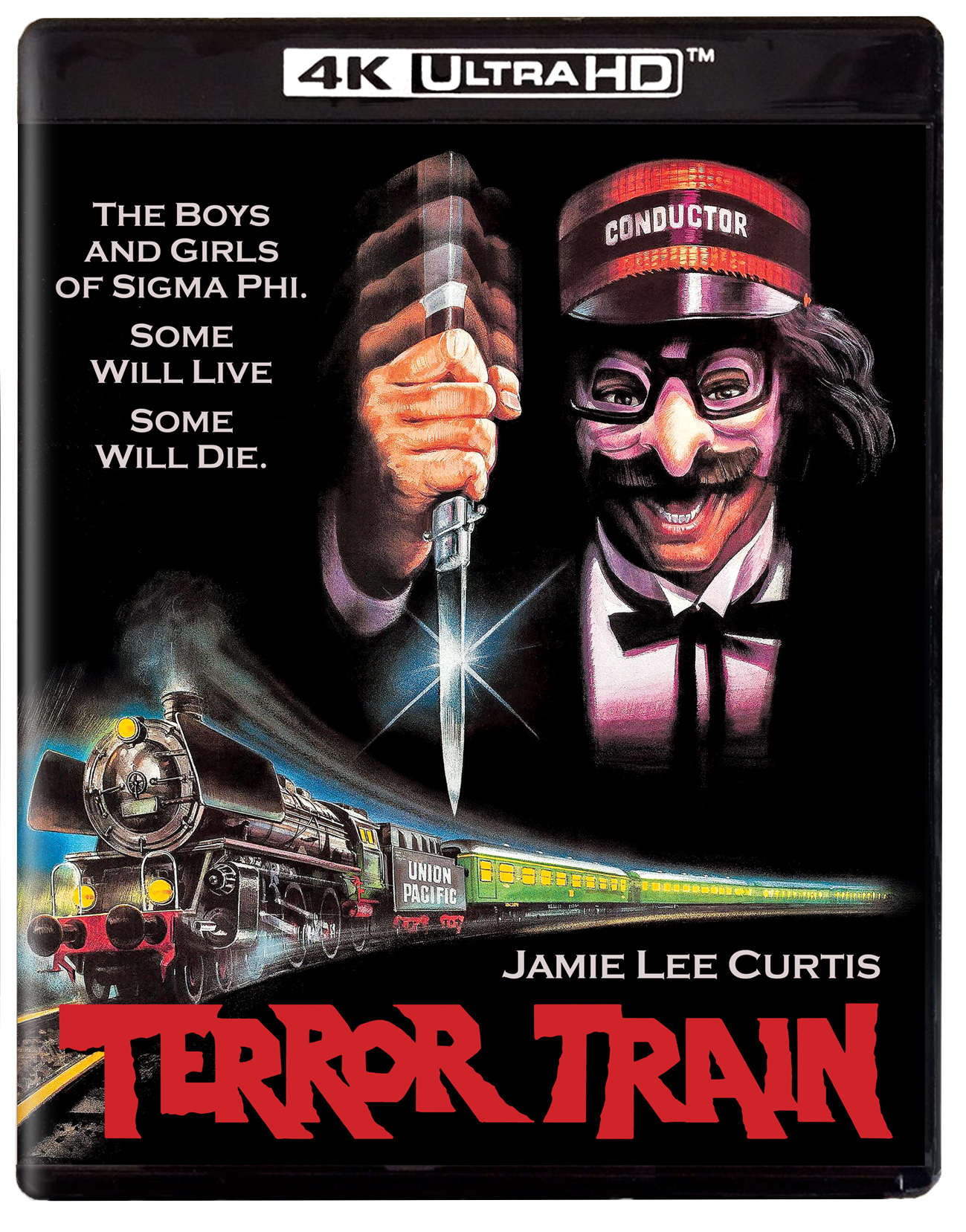
Several horror films make their 4K debuts here. Terror Train (1979) had been previously released on Blu-ray by Scream Factory in a special edition that included interviews with a variety of production personnel. But Kino’s new 4K release piles on the extras. You get two brand new commentaries, one featuring canuxploitation.com's Paul Corupe and film historian Jason Pichonsky, and another featuring film historians Alexandra Heller-Nicholas and Josh Nelson, in addition to interviews with director Roger Spottiswoode and screenwriter Judith Roscoe. The verdict? Horror purists will want to keep both releases if they upgrade to the 4K, as the 4K does not port over the Scream Factory Blu-ray special features.
Terror Train is not only a lot of fun, but it exists in a strange place in film history. It came out one year after Halloween (1978) and one year before Friday the 13th (1980), and is often rightly grouped with other slasher movies that came shortly after, such as Happy Birthday to Me (1981), The Funhouse (1980). and My Bloody Valentine (1981).
These are all films that appeared before anyone knew exactly what a slasher movie was. Like Halloween, which did for babysitting what Jaws (1975) did for swimming, they take all-American activities like going to a carnival or a birthday party or passing out valentines, and inject them with classic, if sometimes clunky suspense. In short, they are interested in more than their body counts.
As good as Friday the 13th was and is (and it is a far better film than it is given credit for), it was a far more stripped-down approach to film as a medium and spawned scads of less interesting imitations, despite creating one of the biggest movie monsters, Jason Voorhees, in cinema history. I guess I’m arguing that those earlier films often owe more to classic Hollywood than later slasher efforts that simply copped Friday the 13ths campground setting or graphic killings.
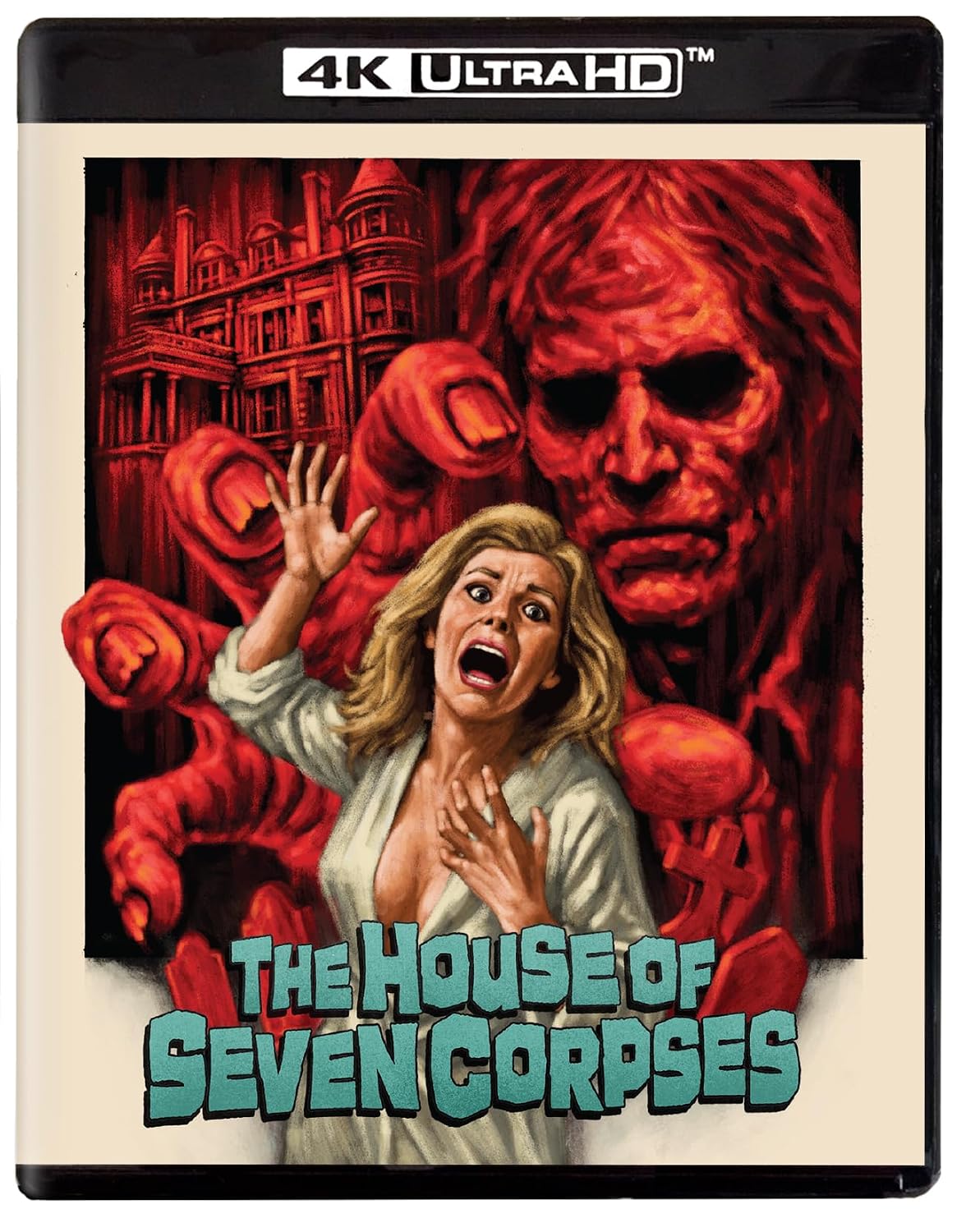
Likewise, The House of Seven Corpses (1973) and Deathship (1980), which serve as transitional films, relying heavily on 1970s style atmosphere emphasized above slasher film special effects. The previous release of The House of Seven Corpses by Severin featured an audio commentary with producer Gary Kent, moderated by Lars Nielsen of Alamo Drafthouse and an archival career retrospective interview with star John Carradine.
Kino’s 4K upgrade not only ports over both those extras but adds a brand new commentary track featuring film historian David Del Valle and film industry creative David DeCoteau. Another audio track features commentary via Demon Dave & Joe’s Savage Tracks Vol. 5 with special guest Randy Cognata. Verdict? You can ditch the Severin release and not really lose anything.
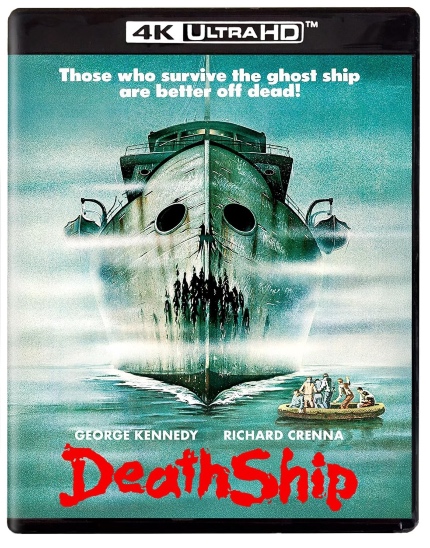
Kino’s final 4K horror upgrade here is Deathship (1980). George Kennedy, Richard Crenna, and Saul Rubinek are the most recognizable cast members, but also present are the great Kate Reid (The Andromeda Strain, 1971) and Sally Ann Howes (Dead of Night, 1945, Chitty Chitty Bang Bang, 1968). The title Deathship conjures automatic comparison to Ghost Ship (2002) and, although there are similarities between the two films, they fall well within the borders of the bare bones premise. Outsiders stumble upon a haunted ship, terror and death follow.
I like Deathship. It reeks of atmosphere and makes great use of the rusted-out hulking ship, even if it does ultimately suffer under the weight of its pretension. Kino has included the theatrical and extended cuts of the film. There are also a whopping three audio commentaries. One is with feature director Alvin Rakoff and Bristish film historian Jonathan Rigby. The next features canuxploitation.com's Paul Corupe and film historian Jason Pichonsky, and another features film historians Alexandra Heller-Nicholas and Josh Nelson. There’s also a lengthy retrospective documentary, a visual essay by Katarina Severen and an isolated score on the extended cut of the film.
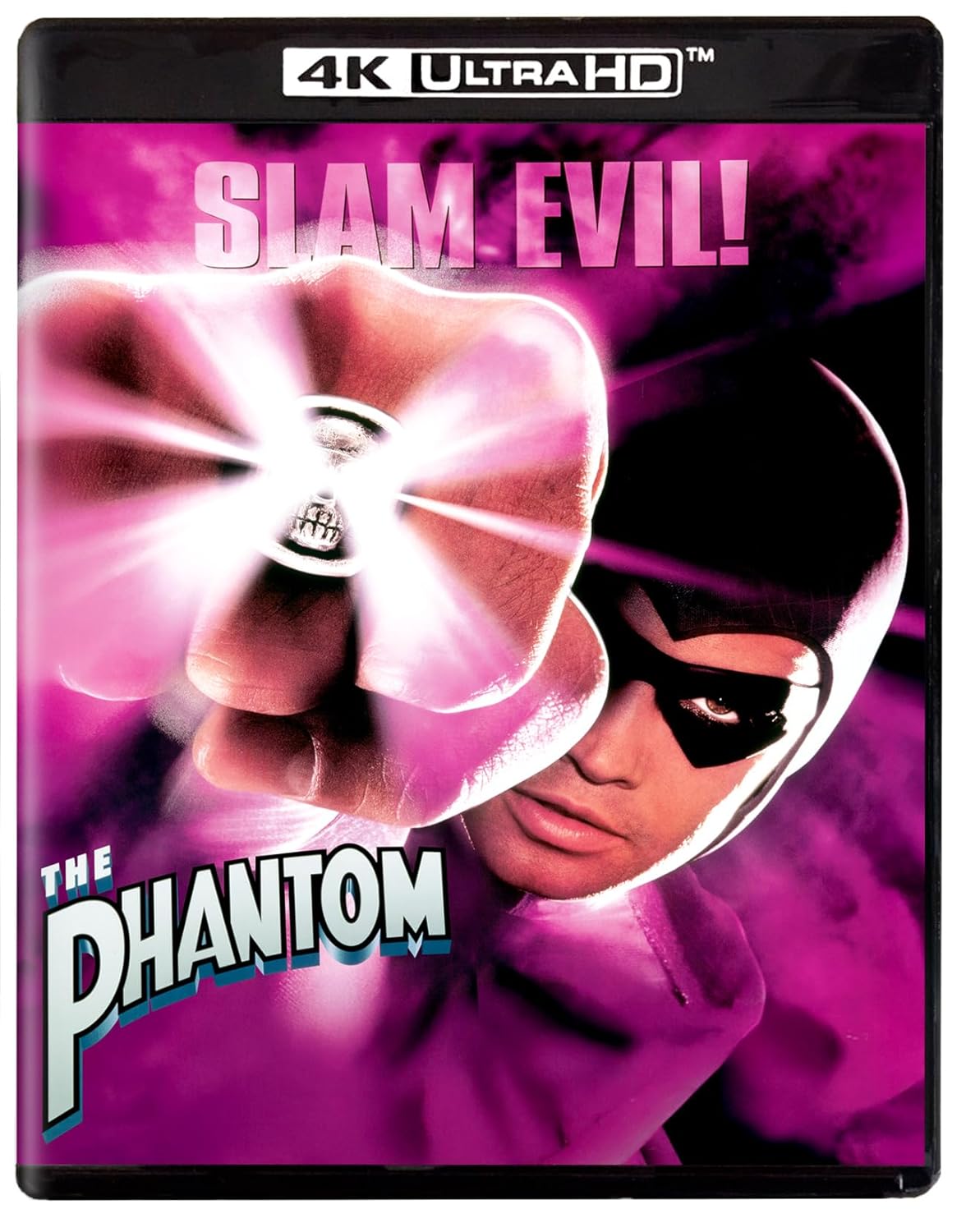
As we all contemplate the possible end of superhero dominance at the box office, it’s still worth remembering and revisiting some of the better films in that genre. The Phantom (1996) starring Billy Zane and Kristy Swanson (Buffy the Vampire Slayer [1992]) was an A-list effort at helping to kickstart a genre but died at the box office. What’s surprising is how good it was. The supporting cast of Treat Williams, Catherine Zita-Jones, James Remar, Cary-Hiroyuki Tagawa and Patrick McGoohan certainly weren’t to blame.
Neither was director Simon Wincer, whose genre work has never been given proper props. He directed D.A.R.Y.L. (1985), Lonesome Dove (1989), Quigley Down Under (1990), Harley Davidson and the Marlboro Man (1991), Free Willy (1993) and both The Young Indiana Jones Chronicles (1992-1993) and The Young Indiana Jones (1999) TV shows.
The Phantom is a rousing action adventure film based on one of the most popular and long running comic strips in history. Zane is more than up to the heroics here and the film relies more on stunt-work than the green screens and CGI current superhero films have come to be defined by. The 4K plus Blu-ray set features an audio commentary with Wincer moderated by cinematographer Douglas Hosdale, an interview with Billy Zane, and an interview with composer David Newman.
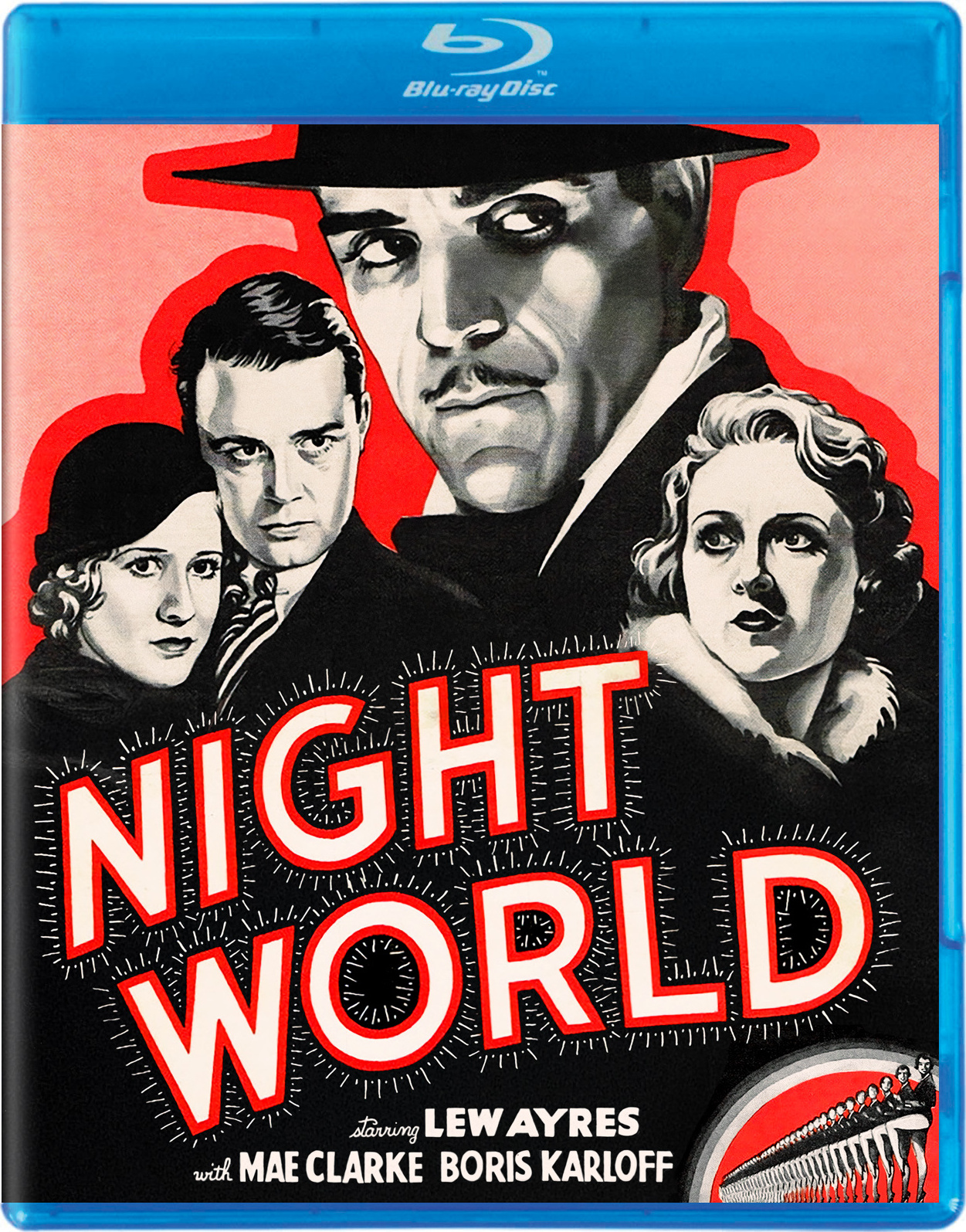
Lastly, a real treat for classic movie lovers and Boris Karloff completists. The gangster film Night World (1932) features Karloff fresh off Frankenstein (1931) but not yet fully heralded as the king of horror. In this film he plays racketeer and night club owner Happy MacDonald, whose not so happy wife has found a new lover. Other cast members include his Frankenstein co-star Mae Clarke, real-life Hollywood gossip columnist Hedda Hopper, and Lew Ayres. The Blu-ray comes with two audio commentaries: One features film historian Jeremy Arnold, and the other Tim Lucas and jazz broadcaster/film expert Joe Busam.