THE BLADE 4K Review: Tsui Hark's Dark, Grimy, Kinetic, Chaotic Classic
Wither wuxia? Tsui Hark's martial arts action-adventure thrills and chills.

Underappreciated at the time, the stylish and innovative film has only grown in stature over the past 30 years.
The Blade (1995)
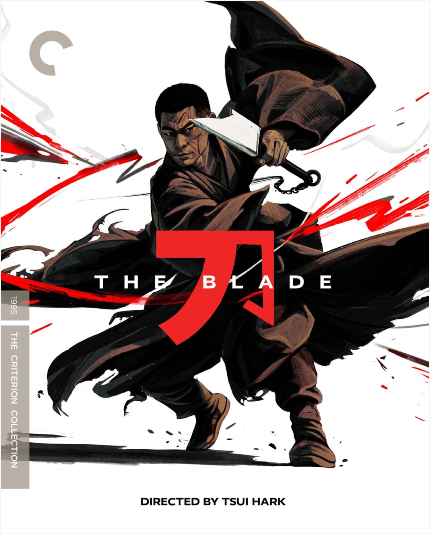
The film releases March 31, 2026, from The Criterion Collection, available on a 4K/Blu-ray two-disc edition, as well as on Blu-ray.
Coming off a string of successes, including the Once Upon a Time in China series and The Chinese Feast, a fun family comedy that opened during the Chinese New Year in January 1995, and Love in the Time of Twilight, which was less successful but still did alright after it released in April 1995, Tsui Hark could hardly expect that Hong Kong audiences would not respond to The Blade.
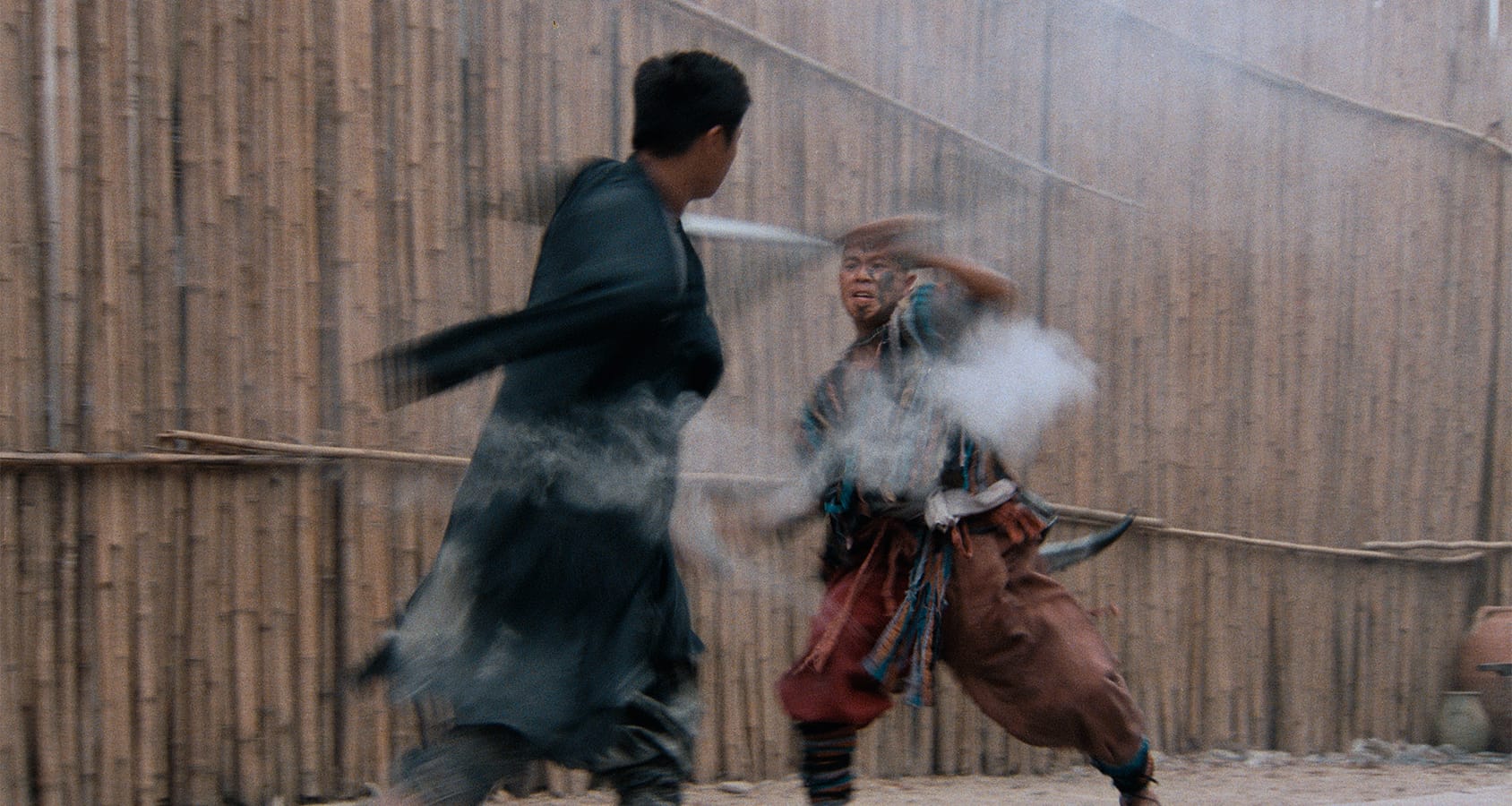
As he acknowledges in retrospect, the film did not feature big box office attractions in its leading players, though he was very pleased with their casting and their performances. Even more so, it's likely that audiences, who were preparing their minds and hearts for The Handover to come in July 1997, were simply not in the right frame of mind to flock to a film that was so dark, dirty, grimy, and chaotic.
Those aspects, however, are core elements that help explain why, more than 30 years, The Blade feels like it was made for today.
A very loose remake of Chang Cheh's One-Armed Swordsman (1967) was the starting point, but Tsui Hark and his co-writer Koan Hui wanted to reframe the story and, in effect, reinvent it. Part of the original film's box office success was in putting masculine heroes front and center for a change, and relegating women to stereotypical supporting roles, whereas they had starred in many popular films in the 1960s.
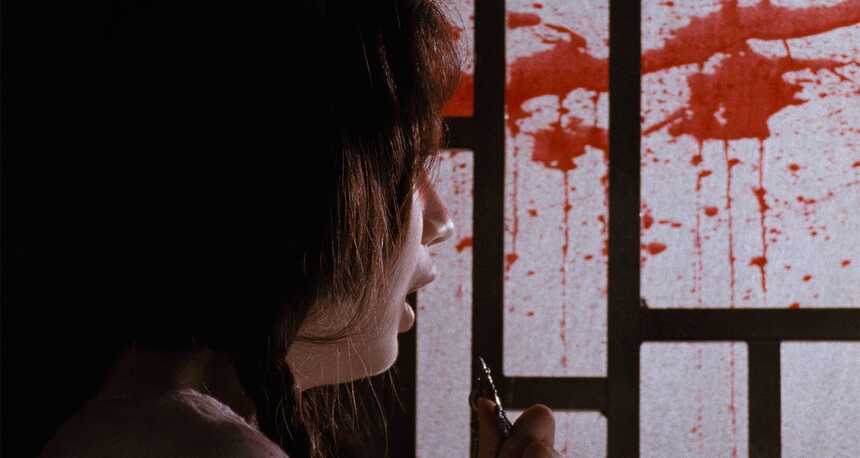
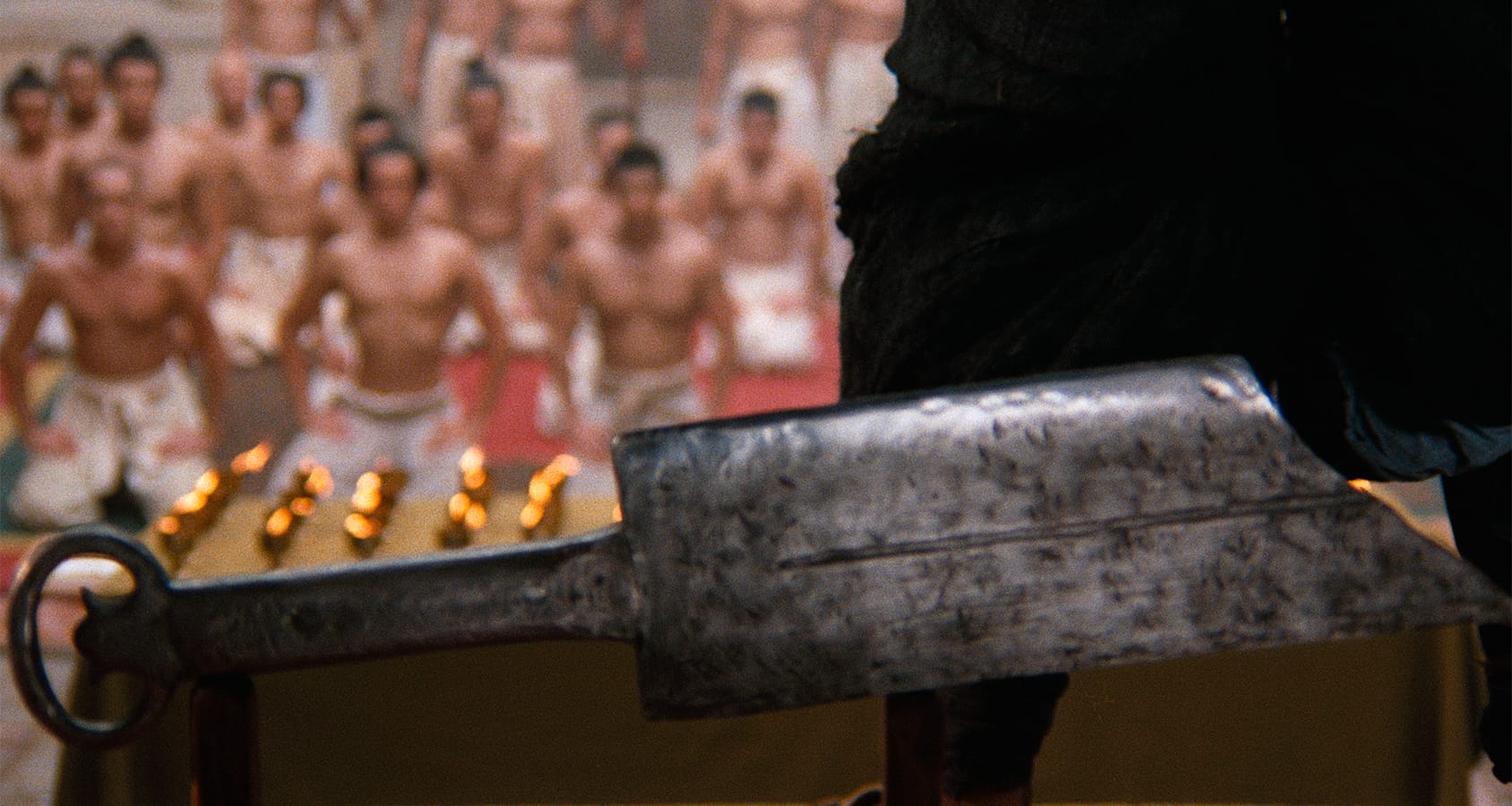
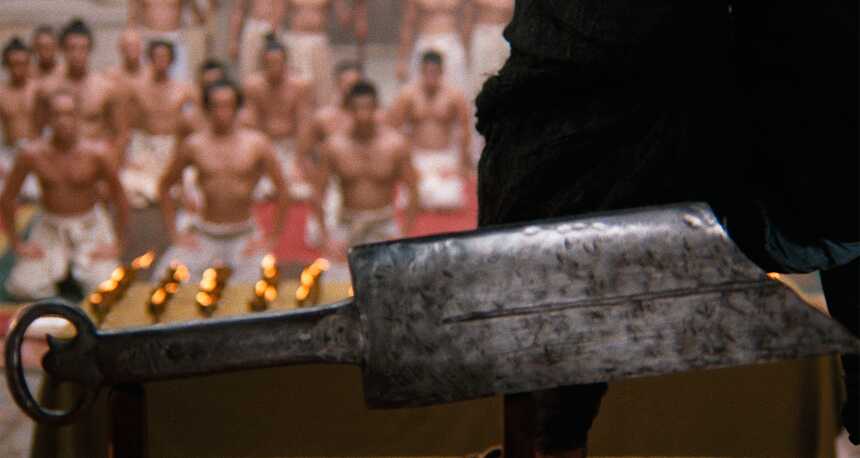
To freshen that up, The Blade tells the story through the eyes of Siu Ling (Song Lei), the daughter of a blade foundry owner (Austin Wai). Having come of age, Siu Ling finds herself attracted to Ding On (Vicent Zhao), an orphan who her father adopted as a child, and also Iron Head (Moses Chan). Watching dozens of sweaty, shirtless, incredibly fit men hammering away all day, Siu Ling dreams that she will attract both men and they will fight for her.
Her childish dreams are put away when she inadvertently acquires and then reveals newly-acquired knowledge about Ding On's murdered father, setting Ding On off on a classic path of revenge. A thoroughly enamored Siu Ling gives chase, but is caught by bandits in a bamboo forest that is booby-trapped with steel traps.
In the ensuing whirlwind clash, Ding On loses his arm and is nursed back to health by young Black Head (Chung Bik-ha), who has been orphaned and has been eking out a living by farming. Iron Head rescued Siu Ling in the bamboo forest and returned her home to the sword factory, but she is not content until Iron Head declares that they should find Ding On, wherever he may be.
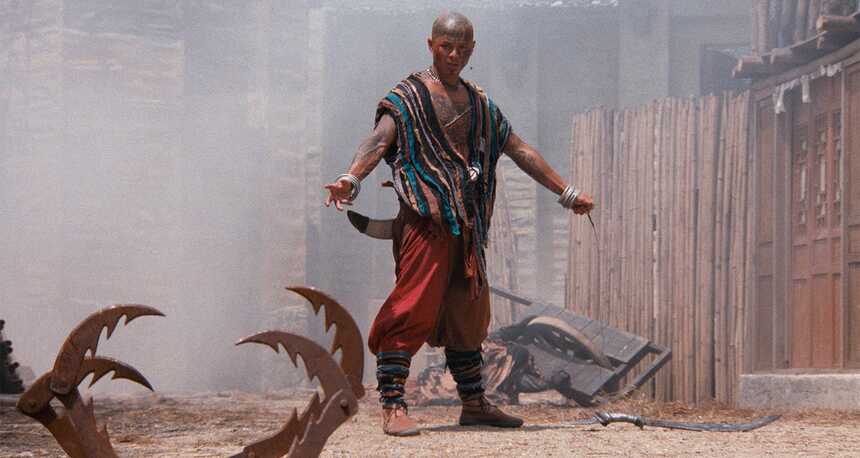
There is much more to the story than that, including the identification of a nasty piece of work, Flying Dragon (Xiong Xin-xin), who murdered Ding On's father, and a sex worker who remains unnamed (Valerie Chow), who beguiles the righteously chaste Iron Head.
What makes the film unique, though, is Tsui Hark's reconstruction of the wuxia genre from the group up.
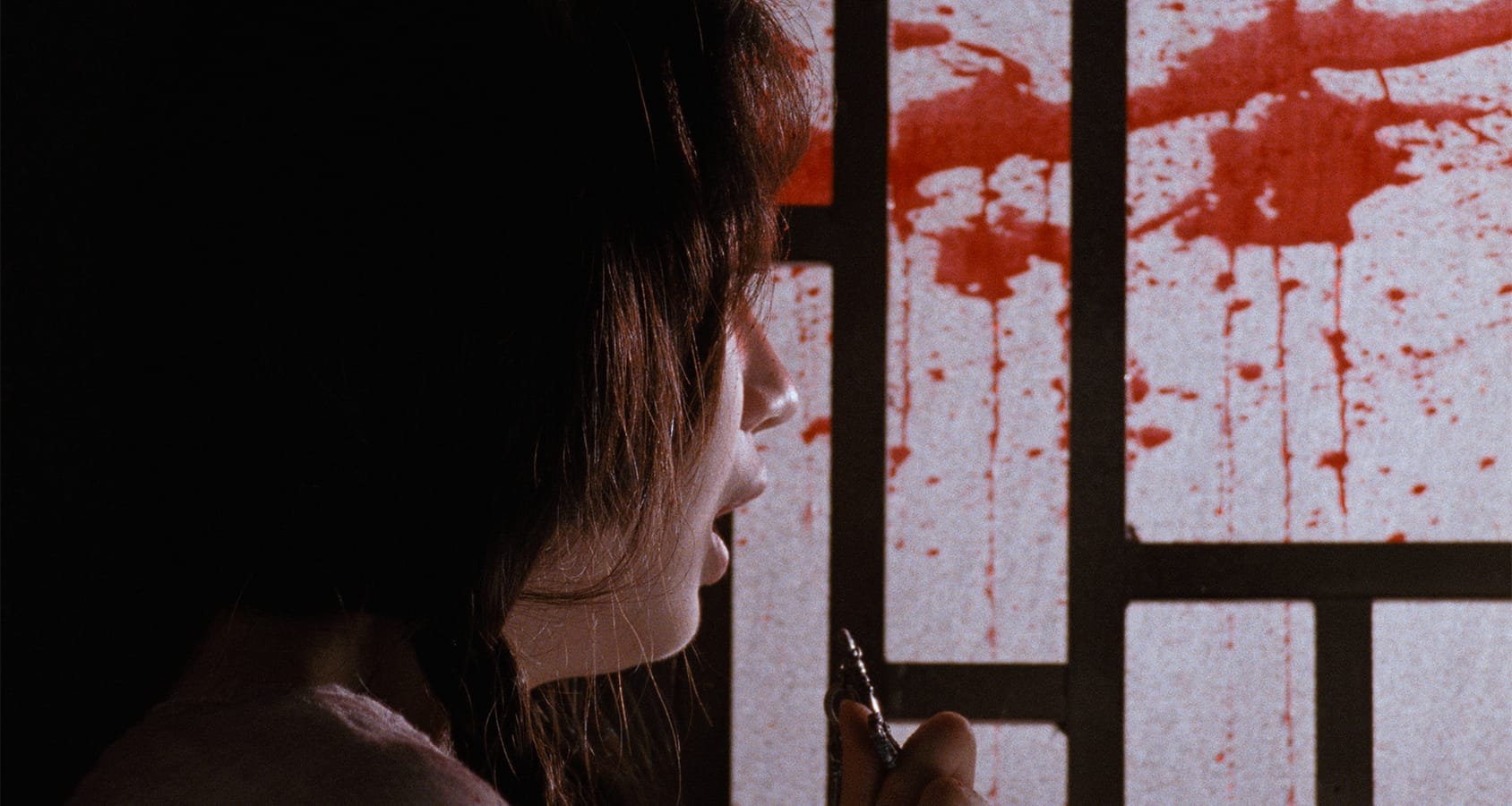
First, in his narrative, which he kept revising throughout production, as one of the writers, and later in post-production, as one of the editors, revamping the story and adding narration to clarify the perspective. Next, in the dark emotional tones and shadowy visuals he chose to emphasize, which his co-writer remembers drove their DPs 'crazy,' and then in the camera work that he employed -- Tsui also served as one of the camera operators -- which was several degrees jumpier and nervier and more jumbled than anything seen before in Hong Kong cinema.
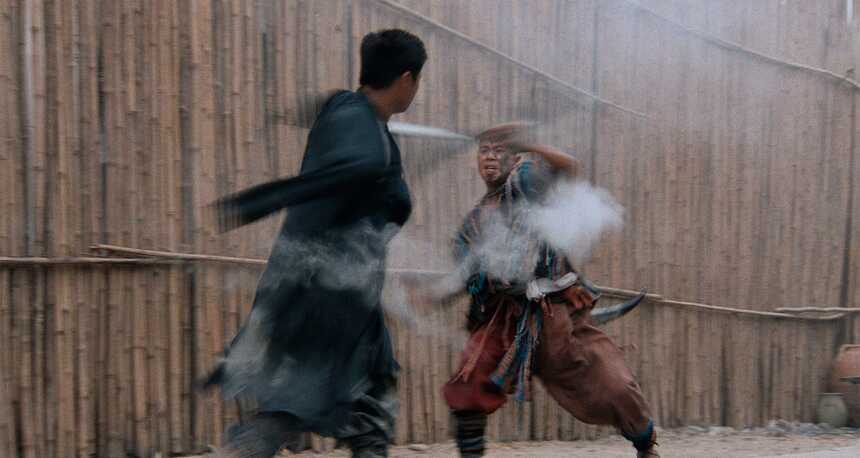
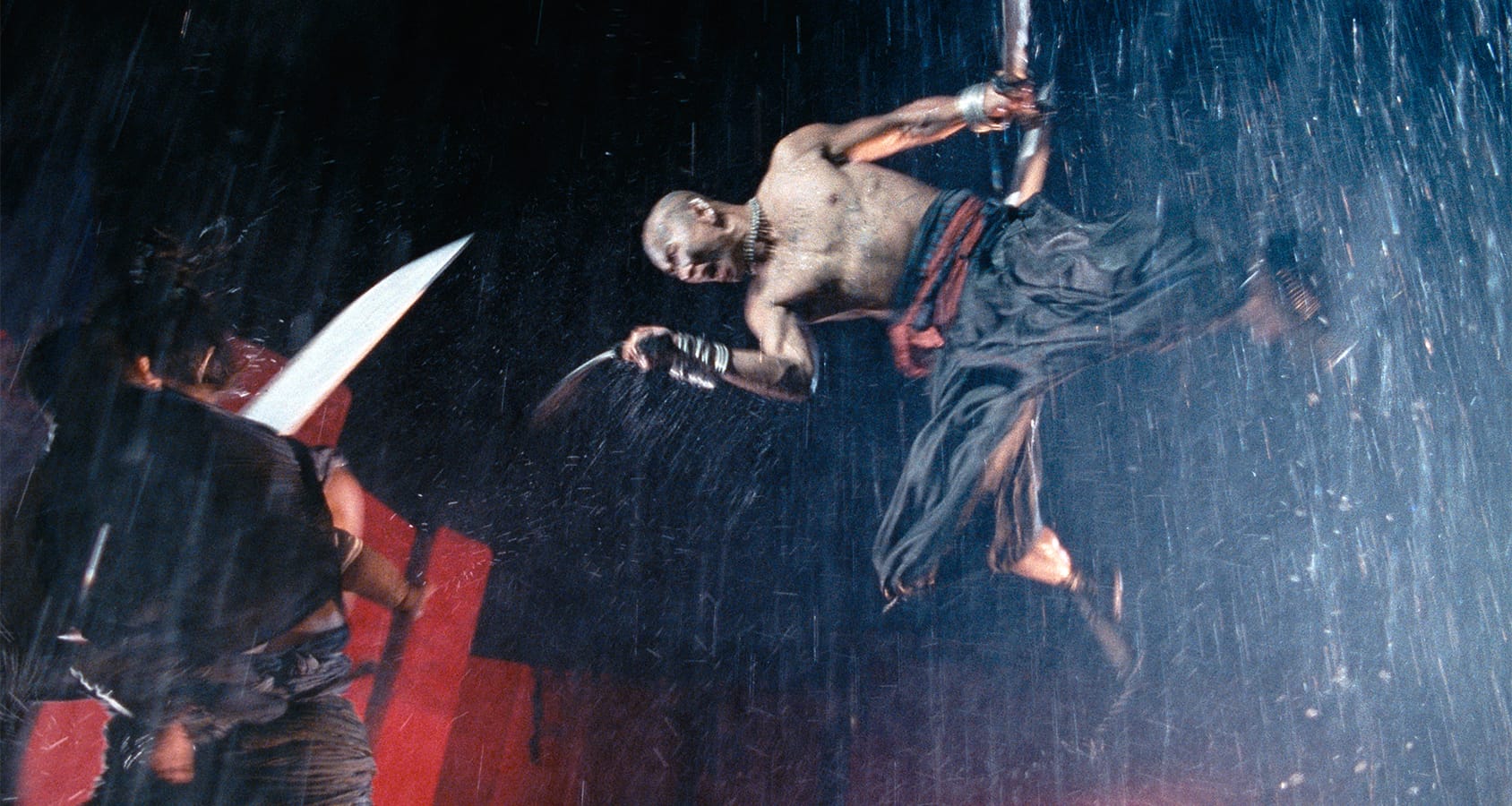
The film throws such a jarring rush of images together that it feels like it's been tossed into a blender; watching it is like sitting in the passenger seat of a feature-length, high-speed car chase sequence. It's thrilling, it's confusing, and you've never seen anything like it before. And you want to go again and again, like a rollercoaster ride through hell.
The new 4K digital restoration, with an uncompressed monaural soundtrack, looks and sounds superb. This is especially important for a film that is predominantly set at night, with characters often lost amidst a sea of people and shadows, the camera whizzing back and forth, often in a frenzy of jump cuts, super-tight closeups, and whirlwind editing.
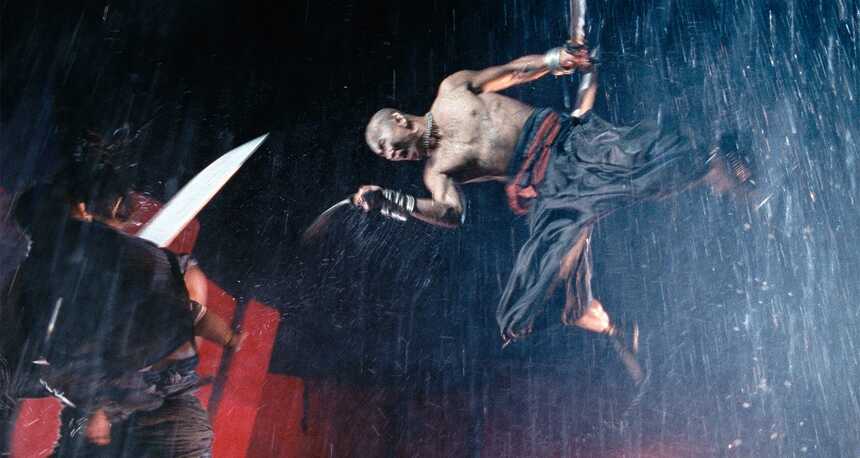
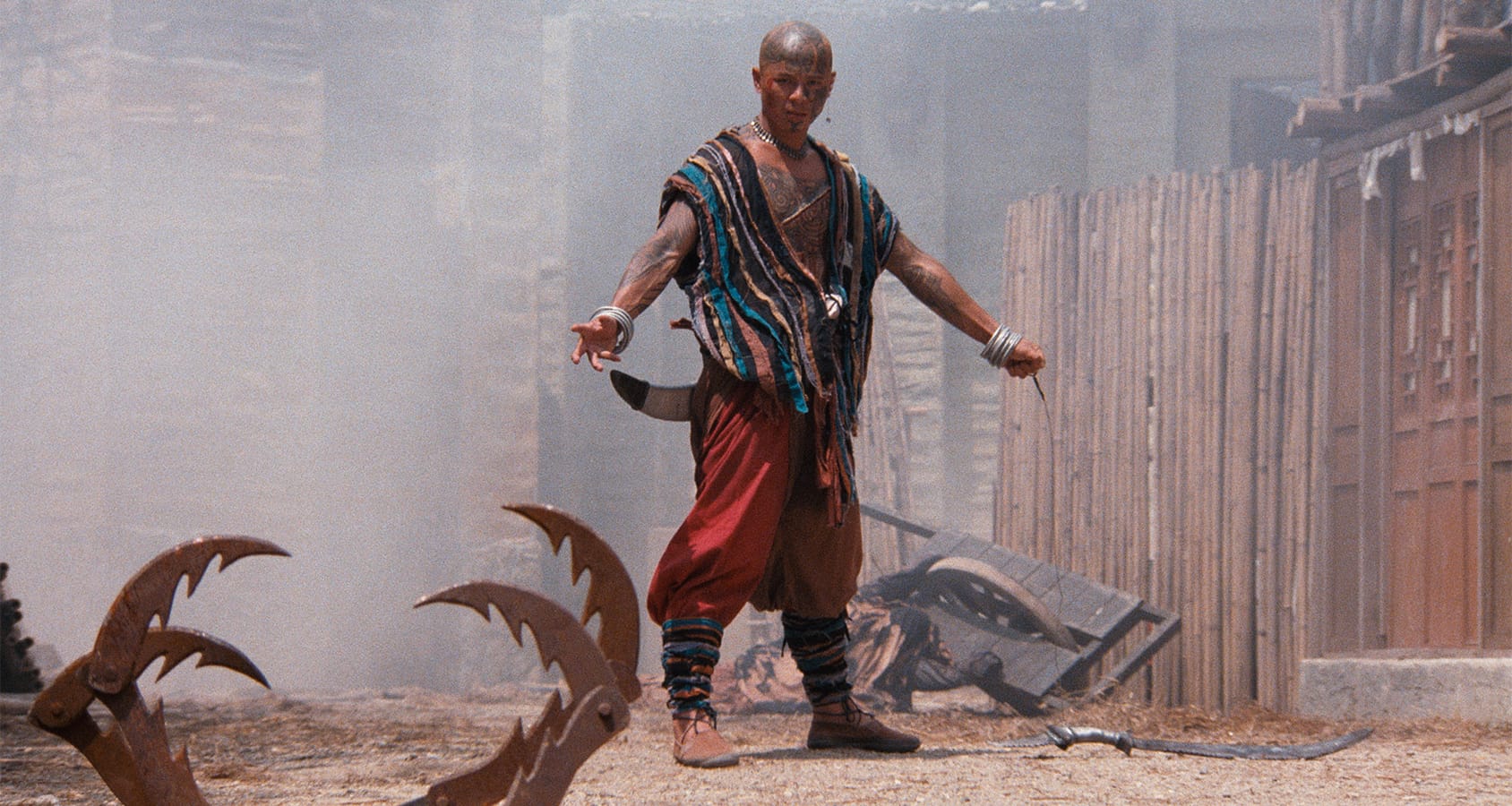
The new restoration makes it easier to see what needs to be seen, especially at night, while the daytime sequences look absolutely beautiful, showcasing the wild collection of costuming styles, drawn from different periods of history, and, of course, all the splendidly dangerous blades, whether short or long knives, and all the buried bear traps that keep snapping shut and doing serious damage to man, woman, and beast alike.
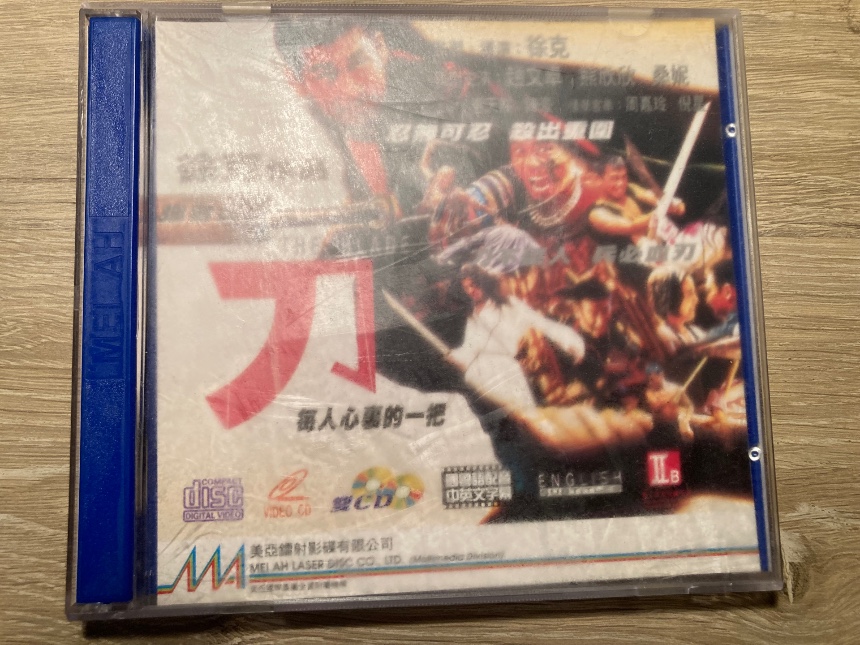
For comparison's sake, I first watched the movie on VOD -- remember those? It was all I could find in the early 2000s -- and could barely figure out what was going on. It took a second watch a few years later on VOD for me to reassess the film and realize it was, indeed, "fantastic, even on VOD."
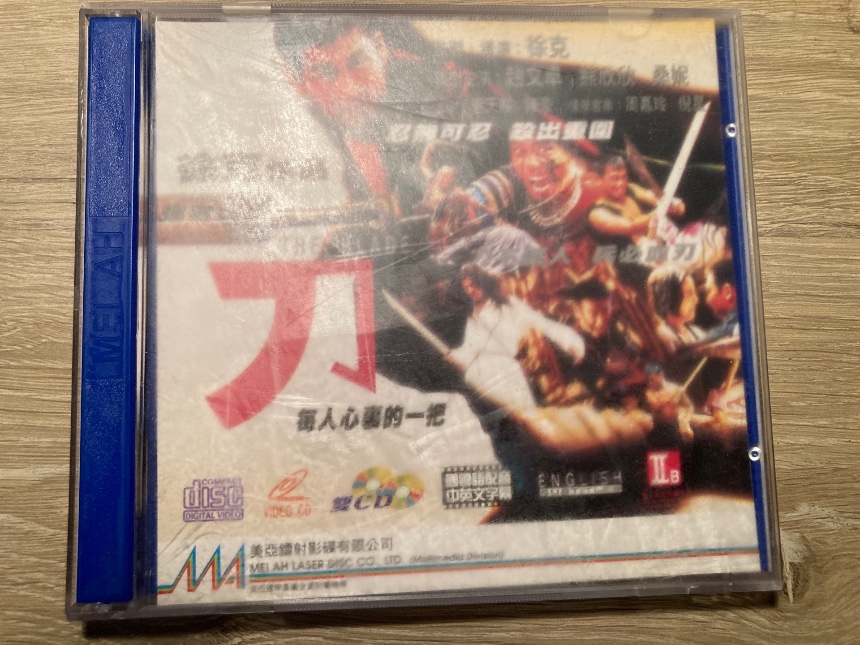
In the two-disc edition, one disc is devoted to the movie in 4K, along with Asian cinema expert Frank Djeng's essential audio commentary, on which he provides a blizzard of information -- capsule summaries of actors' lives and careers, complete with 'where are they now' notes -- as well as learned insight, placing The Blade into the context of wuxia films over the years, where Hong Kong cinema was at in the mid-90s, and, also, how poorly The Blade performed at the Hong Kong box office in comparison with other hit films, including Tsui Hark's earlier efforts.
Djeng's breathless audio commentary is fun and informative; it's a true must-listen.
The other disc is a Blu-ray, containing the movie -- which looks terrific, since it's been restored -- Djeng's audio commentary, and several special features.
Running 59 minutes, Action et verite (2006) is a 'making of' documentary featuring interviews with Tsui Hark, his co-screenwriter Koan Hui, and co-star Xiong Xin-xin, who was brought onto the film after production had begun, whereupon he was informed that he would be playing the villain -- "Again?" he mock-complains -- and, oh yeah, no specific dialogue would be provided, and he would have to work out his own martial arts choreography.
The 'no dialogue' idea was the brainchild of writers Tsui Hark and Koan Hui, who earnestly wanted to make a film that was fresh and unique, especially to distinguish from Tsui's Once Upon a Time in China series. Halfway through the production, however, they had to abandon the idea and write the dialogue, because leaving it to the actors to make up their lines on the fly was delaying production.
The documentary is fascinating, covering nearly everything anyone would want to know about The Blade, especially Tsui's inspirations and intentions.
A video essay by Taylor Ramos and Tony Zhou, running 11 minutes, is an excellent introduction and/or refresher on wuxia and jiangzhu. It also dives deeper into comparisons between Tsui Hark's earlier films, such as the Once Upon a Time in China series, and The Blade, illustrating what makes The Blade so different from the others.
A post-screening Q&A from the New York Film Festival in July 2011, features author and Hong Kong cinema expert Grady Hendrix as host with Tsui Hark, in front of an enthusiastic audience. While touching on some of the points covered in the other special features, it also includes questions that cover other points of interest. It's only 11 minutes, but it's a valuable 11 minutes.
Two more special features are intended for completists, I think, but are worth a look: the opening and closing credits from the English-language International Version, and also the English-language trailer, which sells the movie in much blunter terms.
An alternate English-dubbed track is also included -- I've not listened to it. The original-language version features a new English translation; the subtitles are easy to read and well-timed.
The package also includes a printed booklet with Lisa Morton's excellent essay, "Cutting Deep." She (literally) wrote the book on the filmmaker -- The Cinema of Tsui Hark -- so she knows what she's writing about, and the essay is a great read.
Concluding recommendation: Buy!