Sundance 2026 Review: JARIPEO, Queer Identity in Masculine Arena

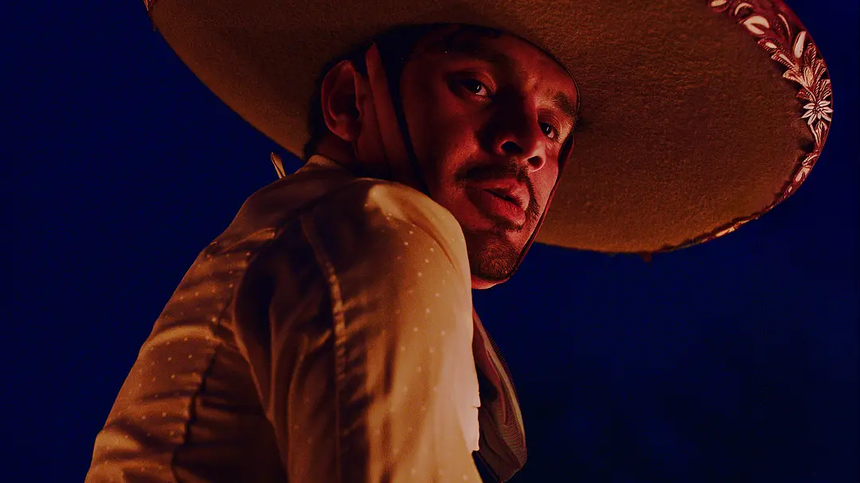
Rodeo culture and queer riders, masculinity and homosexuality; such seemingly contradictory pairings form a subject that is almost inherently compelling.
They invite an immediate question: how can these identities coexist within the same space? This dilemma is not merely a fabricated narrative contextualised for Brokeback Mountain, but also a lived reality standing in Jaripeo, where latent queerness underlies one of the most macho-coded cultural practices.
Documentary filmmakers Efraín Mojica and Rebecca Zweig situate this tension firmly within the ranchero landscape of their debut production in Sudance's NEXT section. Mojica himself serves as the protagonist, sharing his personal experience as a queer vaquero through voice-over interviews. Set in rural Penjamillo de Degollado, Michoacán, a wild and boisterous region in western Mexico, they lead viewers into the venturous arena where cowboy spirit is most visibly performed, particularly through the fierce spectacle of bronc riding.
Beyond Mojica's own story, a handful of other homo-inclined he-men are introduced, each negotiating their identity in markedly different ways. These contrasting perspectives complicate any singular understanding of queerness within rodeo culture.
Noé, for instance, embodies a traditionally macho persona: he expresses attraction only to "manly men" and hypermasculinity, firmly rejecting any form of perceived femininity. In contrast, rugged Joseph embraces cross-dressing, wearing red lipstick and colourful clothing as a deliberate means of self-expression and visibility. Together, they illustrate the internal diversity within the same subcultural space.
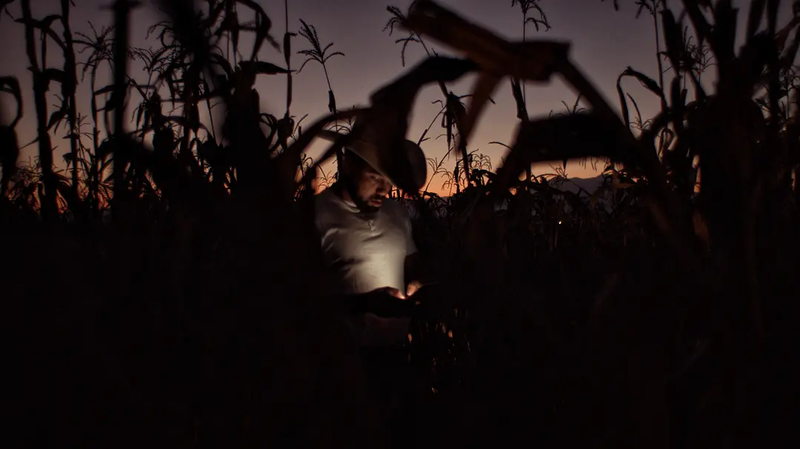
Visually, Mojica and Zweig attempt to heighten this tension through stylised aesthetics. Swirling spotlights of different colours extend the sensuality of what is considered a traditionally antiquated sport.
As night falls, flickering lights and slow-motion movements amplify the characters' inner conflicts, transforming physical performance into emotional exposure. Interspersed with Super 8 footage, the film acquires a raw, intimate texture that momentarily softens the macho atmosphere, allowing moments of tenderness to surface amid the clamour of physical confrontation.
However, as the documentary progresses, the lack of narrative cohesion becomes increasingly apparent, reflected in its relatively short running time (70 minutes). Many scenes are less-focusedly edited together, without sufficient structural development to sustain emotional depth. Consequently, the film offers limited insight into who these men were before, what they imagined for themselves, or what they have endured individually.
Much like the experience of remaining closeted, Jaripeo halts at the threshold of deeper revelation. Although a conversation between Noé and Mojica articulates the fear of coming out and the invisible pressures exerted by mainstream society, the recorded moment feels somewhat stiff, like camaraderie chit-chat in front of the camera.
In general, rather than fully engaging the conflicts of being both a cowboy and a gay man within the socio-political conditions of Mexican society, Jaripeo remains largely on the surface, offering a loose assemblage of portraits set against the force of masculinity. It is a shame that the rodeo ecosystem, to which these men devote their sweat, blood and energy, is insufficiently examined as a structure that both sustains and constrains these riders in pursuit of authenticity.
Ultimately, Jaripeo looks less like a carefully devised project and more like an instinct-driven work, propelled by the urgency to make queer cowboy lives visible. While this impulse lends the film a rare openness, it also limits its reach towards an upper level.
The film premiered at the 2026 Sundance Film Festival.