SXSW 2026 Review: THE MAN WITH THE BIG HAT, Digging Up a Quietly Influential Musician
Singer and songwriter Steven Fromholz's roots go deep and his influence goes wide.

Who was Steven Fromholz? Why did commercial success elude him? And what does it matter, when the songs are so good?
The Man With the Big Hat
The film enjoys its world premiere at SXSW 2026.
Nowadays, we've seen a profusion of music-themed documentaries, which can sometimes feel like a glut; too many music-docs are purely promotional, with little interest in establishing historical or societal or musical or personal context.
I'm much more interested, though, in documentaries that dive deep into the creative inspirations of musicians, who may be famous worldwide or little-known or even forgotten. What keeps them moving forward with their initial passion, despite the inevitable challenges that arise?
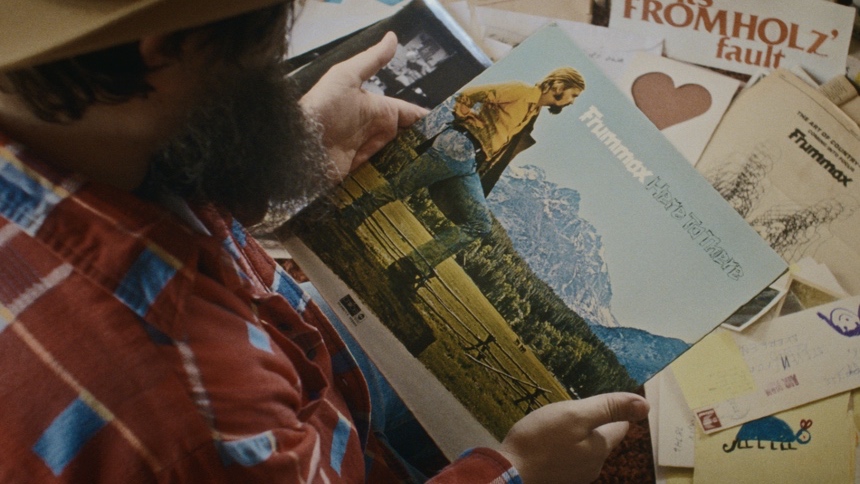
In the opening moments of his debut non-fiction feature, director Austin Sayre acknowledges that he didn't know much about Steven Fromholz beforehand. One day, he happened upon his first album, and something about the cover spoke to him, so he bought it. After listening to his music, he realized he'd made a connection; he wanted and needed to know more. So he began an excavation project of sorts to learn more about the man, his music, and his career.
Born in a small town in Texas, Fromholz's adult life began in the Navy during the Vietnam War years. After being discharged in 1968, he absorbed musical vibes from San Francisco coffee houses before marriage and a child took him to Arizona and then to Colorado, where his fledging career as a musician and songwriter got a boost when one of his songs was recorded by John Denver for his first album.
From there, his career took a series of wild turns, from performing as a duo and recording an album to going on the road with Stephen Sills as part of his backup band to making a name for himself as a solo artist, to the point that he signed a two-album deal in 1976. On the cusp of possible wider success, though, he chose the wrong producer, according to his then-manager; when neither album sold, the record company cut him loose.
Rather than stopping there, the amiable Fromholz persisted, and, in the 80s, his life took more surprising turns, including spending years with his second wife and raising his second daughter and several years as a river guide (?!) on the Rio Grande in West Texas. He came to renewed attention after Lyle Lovett recorded a couple of his songs; as Lovett remembers in admiration, "he was a magnetic personality." His songs always struck Lovett as authentic and heartfelt.
Indeed, the songs that are collected in the film reflect his highly personal songwriting, backed up by testimony from his two ex-wives, two daughters, and multiple friends and musicians. As filmmaker Sayres notes, Fromholz's music is not available on streaming services and his albums have long since gone out of print, so this film may be the largest collection of his songs that are available today.
A friend remembers that Steven Fromholz 'wasn't interested in writing hit songs, he was writing about his life.' That's what stands out in this documentary of his life and career: he was a sweet, funny, friendly, outgoing man who just wanted to write songs and share them with anyone who would listen.
The Man with the Big Hat