PANDA Review: Beautiful Poetry for Marginalised People in Suburban China
Directed by Zhang Xinyang, the film combines the suffering of people with the charm they display while enduring it.

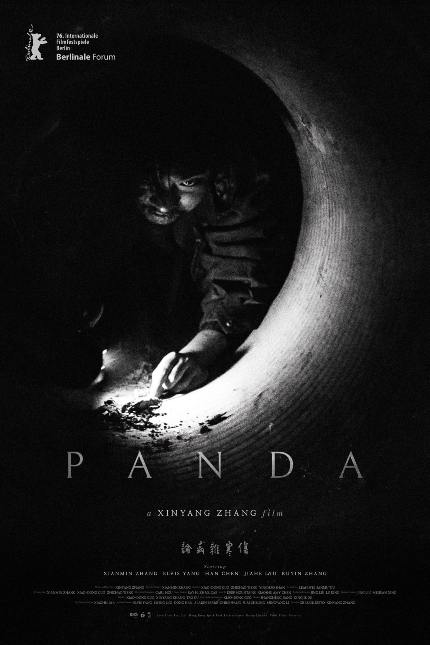
Panda is a portrait of a group of people living on the outskirts of Nanjing, one of China's major cities.
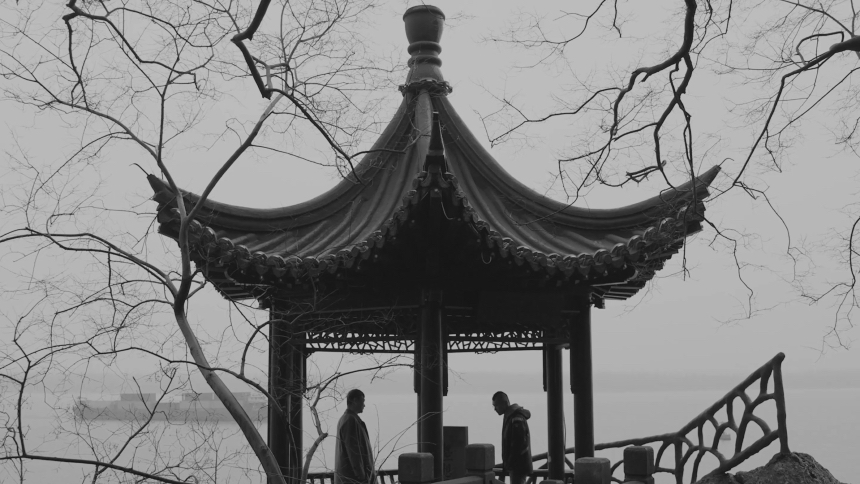
The film is not an easy one to take in at first. Shot in black and white, it opens with a series of long shots of people crossing the Yangtze River on a ferry.
While these scenes might seem dull initially, they gradually lead the audience toward a group of marginalised people living in the city's suburban fringes, lingering by the riverside that divides the country into North and South. This setting serves as a hint of the unstable, wandering lives of the protagonists we encounter later in the film.
Among them, we find a young man attempting suicide by jumping into the water, an old man trying to save and educate him, a homeless man who claims to be seeking a dragon to return to heaven, and a doctor who cures patients with poetry. Through these characters, you catch a glimpse of the reality of the underprivileged who are both pitiful and lovely.
These dualities are also reflected in the film's contrasting titles. In English, the film title is Panda, capturing the characters' "cuteness" and the urgent need to protect them from extinction. In Chinese, however, the title translates to Treatise on Cold Pathogenic Diseases, a name borrowed from the ancient Chinese pharmacologist and physician Zhang Zhongjing's book, which becomes a cruel, literal depiction of the suffering endured by those at the bottom of society.
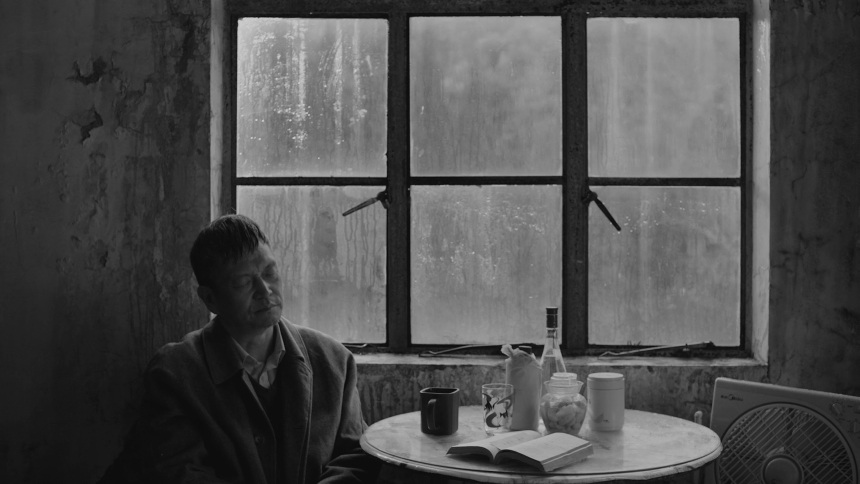
Although the film is mostly in black and white, when colours do appear, they become the emotional highlights. Colour is primarily used to depict illusions and dreams. While these moments may be terrifying or miserable, the palette renders them softer and somewhat romantic, evoking a sense of empathy.
As director Zhang Xinyang noted, these colours are like the pink tongue of a panda or the bloodshot in someone's eye. Furthermore, the poetry of the ancient writer Xin Qiji works smartly as side notes to the film, echoing the characters' unfulfilled ambitions. It also acts as a thread connecting all the wandering souls by the river.
Panda was directed by the up-and-coming Chinese director Zhang Xinyang and premiered at the 76th Berlinale this year, screening again more recently at New Directors/New Films in New York City. The initial idea for the film stemmed from Zhang's experience caring for sick relatives in the hospital and his observations while commuting between the city centre and suburban Nanjing during his university days. From these experiences, he combines the suffering of the people with the charm they display while enduring it.
Similar to other young arthouse filmmakers, Zhang's work is heavily influenced by Sixth Generation Chinese directors like Jia Zhangke and the Chinese independent documentary movement of the 1990s. Ultimately, Zhang's work continues to demonstrate a deep concern for the people and social issues of our current era like his predecessor.
Panda
Director(s)
- Xinyang Zhang
Cast
- Han Chen
- Jiahe Lyu
- Elvis Yang