Busan 2025 Interview: ALL GREENS Director Takashi Koyama Talks the High-School Drug-Dealing Dramedy You Didn't Know You Needed


Film festivals are great sites for surprises, and this year's Busan International Film Festival has delivered a special one already.
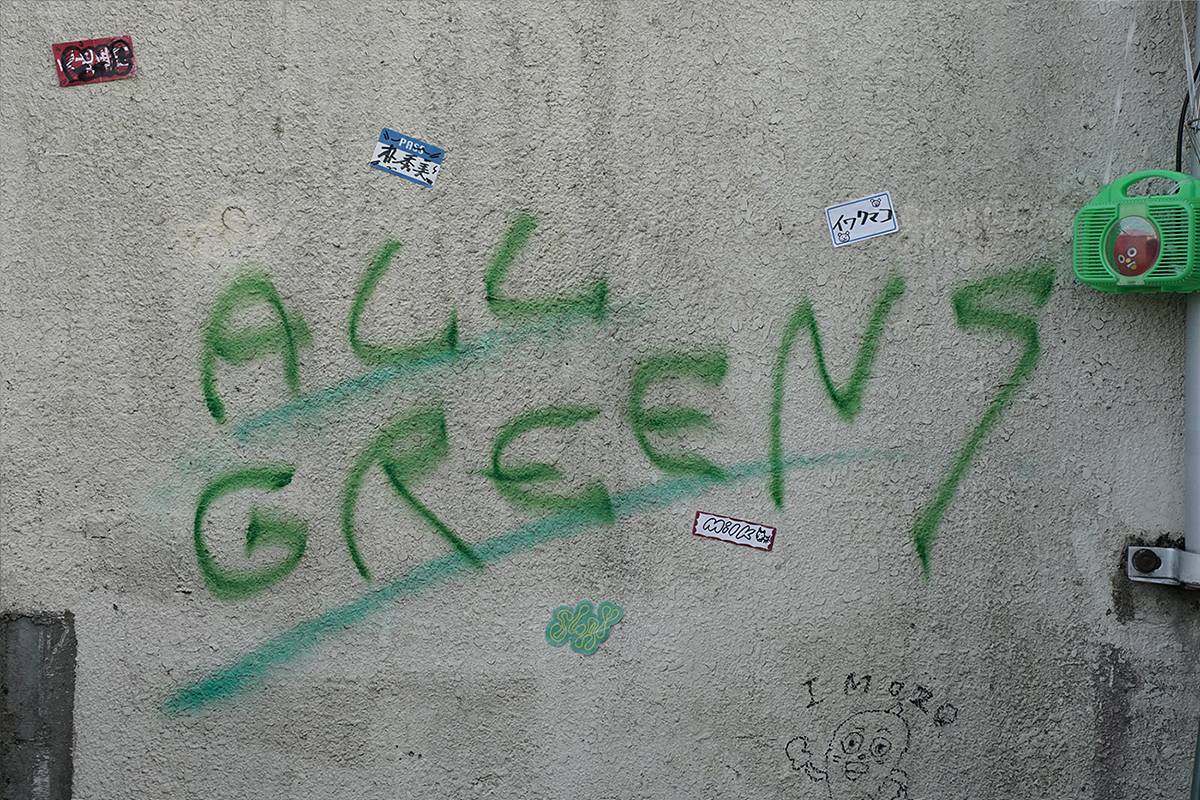
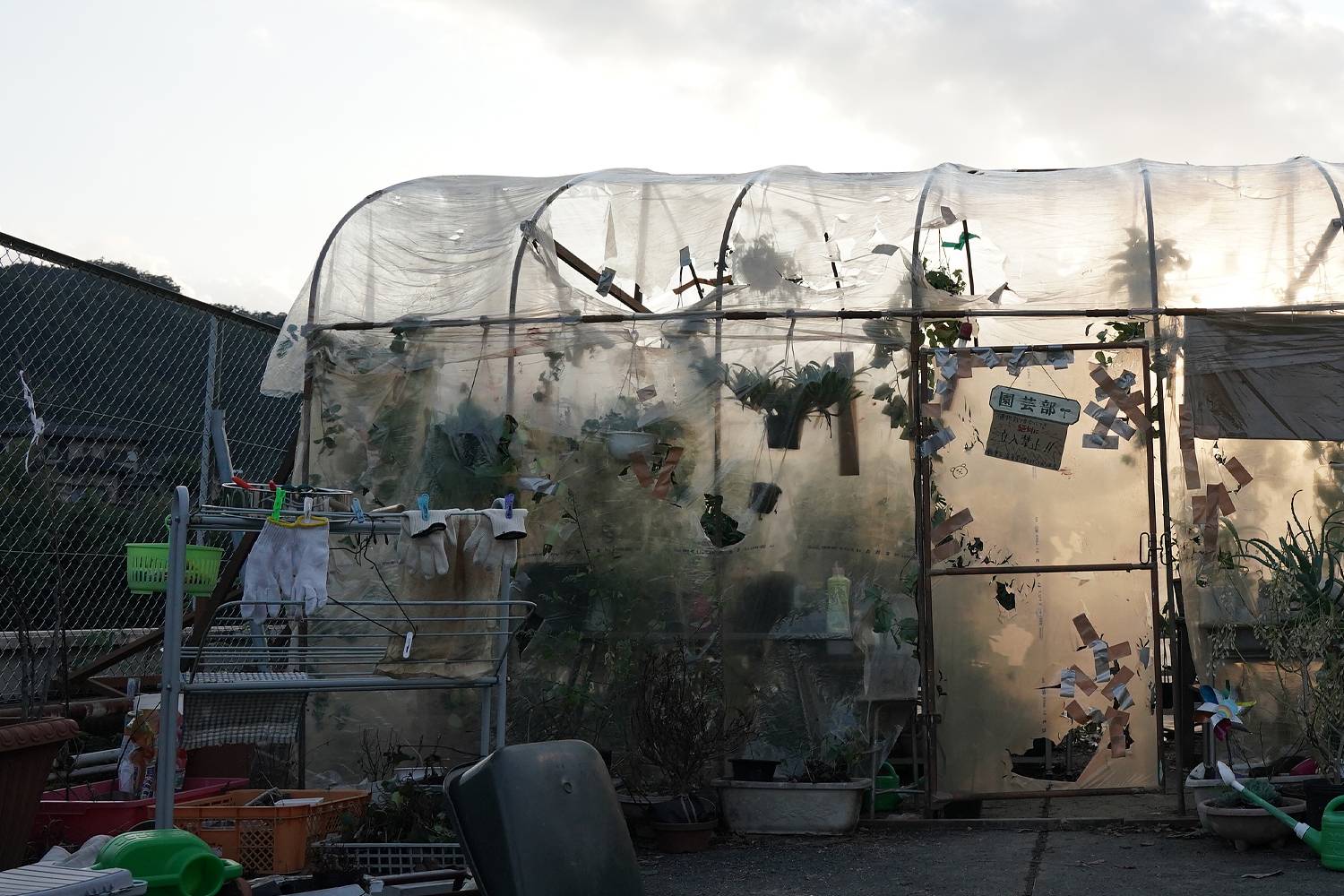
Sniffing around the selection for fresh Japanese films, I discovered Takashi Koyama's All Greens, a coming-of-age dramedy that charts the trials, tribulations, and financial growth of three adolescent girls as they start up a successful marijuana business, growing the plant on the rooftop of their high-school. What a logline!
All Greens is Koyama's second feature, following 2019's Colorless. He makes youth dramas with a difference. In this comprehensive interview, we discuss the influences, cast, and contexts of his genre-bending indie, leaving no stone(r) unturned.
Screen Anarchy: This is my first encounter with your work, and I'm very glad to have discovered you. I'd like to start by asking about your path into filmmaking - I'm aware that you once worked as an assistant director to Kaizo Hayashi.
Takashi Koyama: I attended the University of Osaka. I was originally planning to join my family's business after that, but I was interested in film, so I decided to go to Tokyo to attend film school. I met Kaizo Hayashi in Tokyo, and I had the opportunity to work as assistant director to him for seven to eight months. I must add - I don't think I did all that great a job as assistant director.
Which film was that on?
It was a web series about a detective agency - there were around 30 episodes.
Your style is rather unique, but nevertheless a lot about ALL GREENS feels like a blend of some of Japan's best independent filmmaking. You have high school girls in over their heads, much like in Hideaki Anno's LOVE AND POP. There's a formal anarchy and punk spirit reminiscent of directors like Sion Sono and Kenichi Ugana. And there's a gentle slice-of-life humour and hangout vibe that reminded me of films like those of Satoshi Kimura. How would you define your own filmmaking style, and how much would you say that your filmmaking has been inspired and influenced by that of your peers around you?
In making independent films, I aim to create something with a high level of creativity. We would like to focus on the craft, yes, but if we chase quality we lose that unpredictability. Maintaining both quality and unpredictability is a goal that's important to me. It's difficult to achieve, which is an interesting thing about filmmaking.
As far as being influenced by other directors, I like directors who imbue their editing choices with great meaning - for example, David Fincher, Takeshi Kitano, and, indeed, Hideaki Anno. I feel that's a trait of great films.
At multiple points in this film, the characters discuss and dissect the concept of "youth". What does the "youth film" mean to you? Do you perceive ALL GREEENS as being a "youth film", or did you want to provide an alternative to that genre archetype?
I wanted to provide an alternative, yes. In Japanese youth films, there's a certain set of characteristics that have become cemented and expected. This project wasn't so much about dissecting those themes as it was about depicting types of people that aren't usually depicted in youth films.
This film is based on a novel by Dō Namiki. Did you discover the novel yourself, or did a producer bring it to you?
Tamon Kondo, a producer on this film, recommended the novel to me and proposed the idea of a film adaptation.
What did you think of the novel when you first read it?
The novel is such a mix of different genres. I felt a real rebellious emotion and impulse from the author as I read - I was really inspired by that.
Making a drug comedy for commercial release in Japan is a bold move, to put it lightly. What made you feel you could pull this off successfully?
[Laughs.] There were so many things that we had to be careful about. We made sure to treat certain themes and plot points very delicately. We're still not quite sure whether we managed to do so successfully.
Thinking on that uncertainty further - as you said about the novel, this film is a tightrope walk of different genres and tones. Do you feel confident about what you've put together, or are you still unsure how the film will land when it plays to its first audiences in a few days? I really loved the film, and I think it sticks the landing - but I'm curious as to how the Busan audience will take to it.
I'm experiencing a perfect balance of excitement and nervousness.
You edited this film yourself. Could you tell me about the film's tempo? I love that there are bursts of energy, then slower lulls, then further bursts. You pace the film like one would pace themselves if they were running a marathon.
The first half of the film is a rather stagnating story of the main heroine. Then the late title card shows up. I was very conscious and deliberate with the film's pacing.
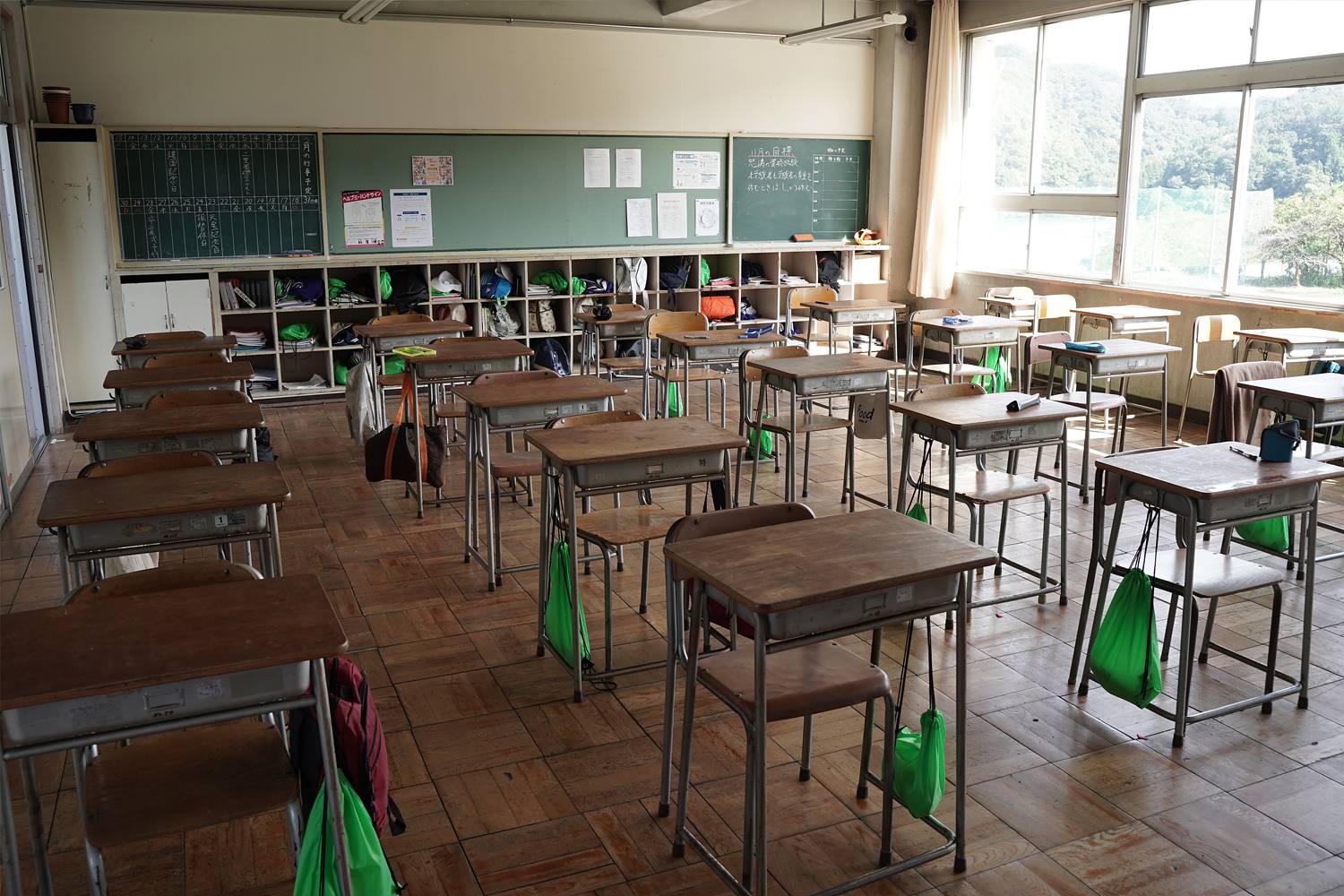
The film has a strong sense of place and space. You capture these school interiors and urban exteriors with a strong sense of specificity.
The film is set and shot in Tokaimura, in the Ibaraki Prefecture. There's a bit of a dead-end feeling to the place, which I feel really aids the girls' narrative arcs. The sequence in Tokyo towards the end is a film original - it doesn't feature in the novel. There's a film by Kazuhiko Hasegawa - The Man Who Stole The Sun. Do you know it?
Yes!
There's a scene in that film where the protagonist sneaks into a nuclear power plant. That power plant is in Tokaimura. Additionally, the climactic sequence of All Greens - the drug trade - was shot in Shibuya, at the demolished site featured in that film.
Tell me about casting. You've got three confident, empowered, high-energy performances at the heart of this film.
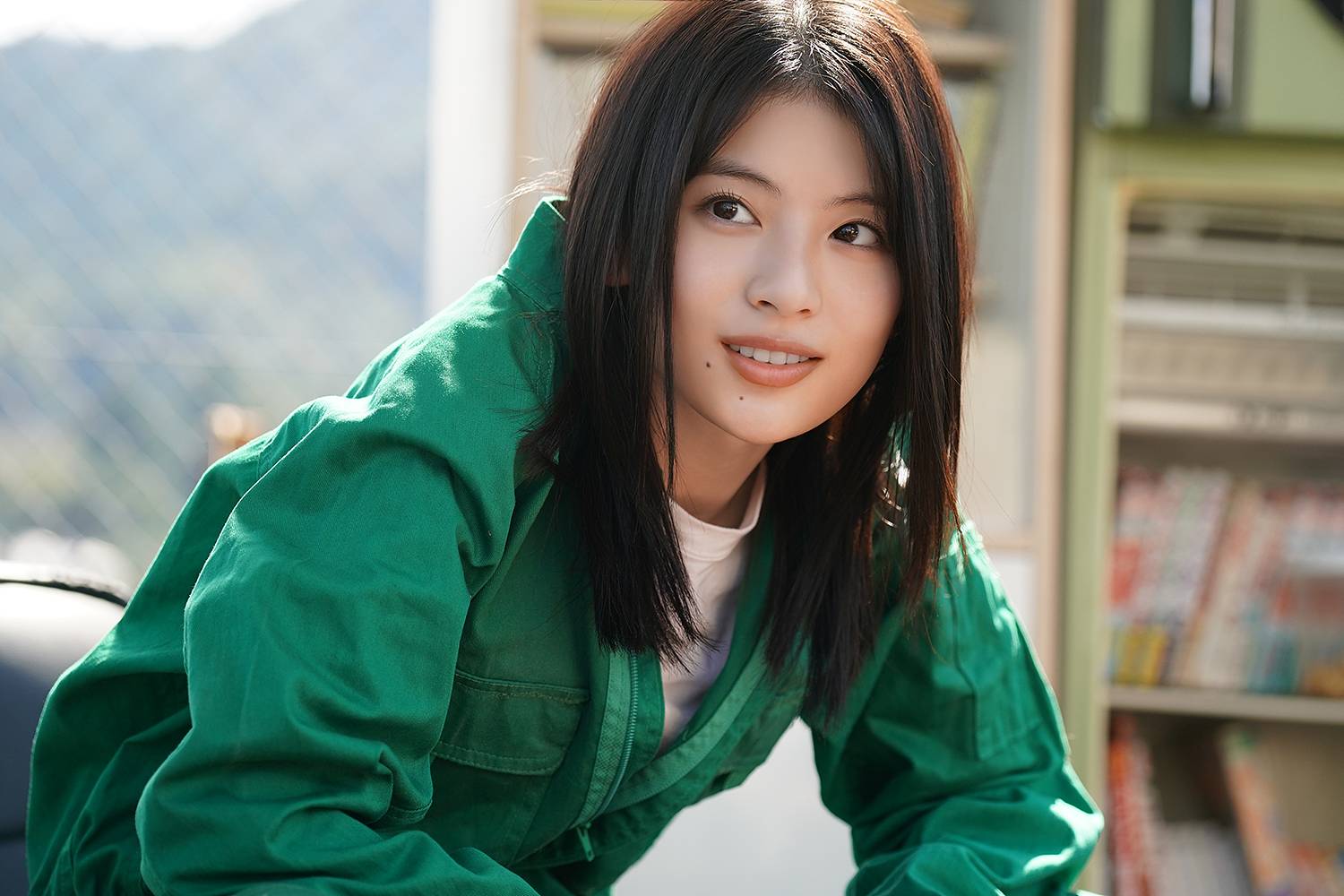
Firstly, Sara Minami-san, who plays Boku Hidemi. She hadn't played a delinquent type before - she's actually played a lot of model students in the past. But I thought she could work in a depressed role, with an empty hopelessness behind the eyes. She did an amazing job.
Secondly, Natsuki Deguchi-san, who plays Yaguchi Milk. For this role, the actress needed a leadership quality to her. Deguchi-san had that energy.
Lastly but not least, Mizuki Yoshida-san, who plays Iwakuma. She played Kyomoto in the animated film Look Back. That character is really good at drawing, whereas her character here is really bad at drawing - that was a fun coincidence. She did a wonderful job at balancing the other two characters - she's a great actress.
In both its original score and licensed music, this soundtrack is electrifying. Tell me about your approach to the sound of ALL GREENS.
Above all, we wanted the music to be cool - which is unusual for the Japanese youth genre. Zo Zhit, the composer of the film, did an amazing job at creating that feeling.
This film makes clear that you're a serious cinephile. What do you hope your films bring to the cinematic landscape?
Many youth films have been made over the years. I want this to be the youth film of 2026. [in English] I believe!
I believe too!
Do you think this film will be received differently internationally to domestically?
The reaction might differ. But Japanese animation is accepted in many different countries. If we can make something original and engaging, we can grow that acceptance wider, into other Japanese filmmaking.
What impact do you hope this film will have on your audiences?
Just like the members of All Greens, whose lives are saved by manga, literature, and cinema, my life was saved by cinema. Film is the reason why I am still breathing today. I want as many audiences as possible to see my film - especially younger audiences. Whether it saves them, or simply makes them laugh - that response is at the core of my motivation to make films.
All Greens enjoyed its World Premiere on 20th September at Busan International Film Festival, and it plays again on the 22nd, 23rd, and 25th September. With thanks to Yuki Fujiwara for translating.
-thumb-80x80-100243.jpg)

-thumb-80x80-100245.jpg)
-thumb-80x80-100246.jpg)