
Echoes: Who Decides What Pakistan Gets to Watch?

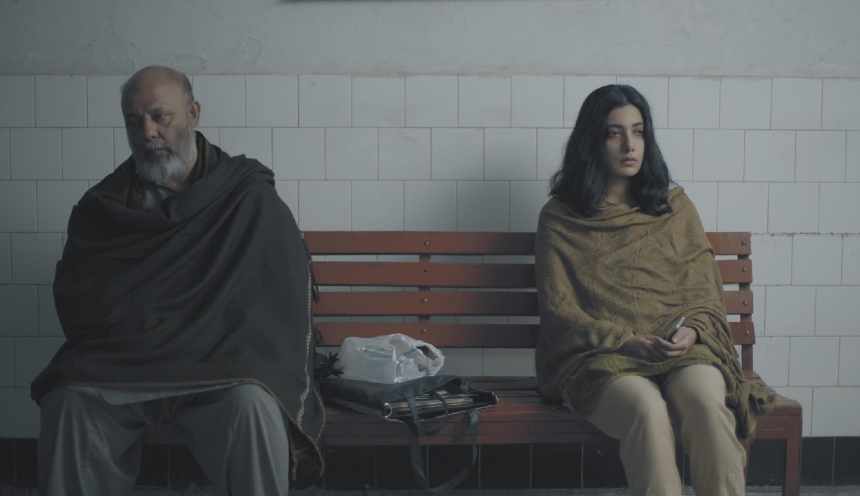
It is well known that Pakistan is a country where stringent laws restrict viewers from accessing certain types of content and films, therefore already imposing a hold on what Pakistan gets to watch.
The Pakistan Electronic Media Regulatory Authority (PEMRA) has a mandate that covers private and broadcast media across all distribution services, defining what content reaches the general public.
Objections may be raised over content that includes obscenity, violence, extremism, religious sensitivities, threats to public order, and material considered contrary to national or cultural values. The Legend of Maula Jatt (2022) is one recent example that faced problems passing PEMRA requirements due to violence; Javed Iqbal (2022) is another example that threatened the country's law and order, while Sarmad Sultan Khoosat's Zindagi Tamasha (2019's Circus of Life) was banned from cinema screens due to religiously sensitive content.
It is quite peculiar that PEMRA's standards are different for digital streaming services like Netflix and Amazon Prime, which are widely enjoyed by the Pakistani audience these days. According to Dawn, the PEMRA censorship law doesn't apply to Netflix and Amazon, declared the Lahore High Court, an unacceptable decision for local cinemas that have to obtain film certification, while digital platforms were left unregulated.
Even before PEMRA determines what is regulated, someone has to decide the type of content that needs to be produced. Producers, writers, directors, and production houses make decisions about what stories are worth telling, which characters the audience will identify with, what can attract advertisers, what can generate social media discussions, and what can compete with foreign content.
A recent study indicated that what producers produce is now shaping PEMRA's guidelines. Modern content deliberately pushes boundaries and sometimes causes controversy that generates attention.
For example, dramas aired on leading Pakistani channels, ARY Digital, HUM TV, Green Entertainment, Express TV, and so forth, show scenes with romantic imagery, suggestive imagery, and provocative attire that have polarized audience responses. Some argue that it is a true depiction of the culture, while some consider it implicit resistance to regulatory reform pushed by production houses on PEMRA.
In such cases, social media comes out as the most powerful tool to determine which content should be banned and which should be allowed. Even before the project was greenlit, the mere rumors that Saba Qamar would likely portray Anmol, aka Pinky, the high-profile drug-dealing figure, in an upcoming biographical television drama, the public did not hold back in condemning the move.
Saba Qamar previously portrayed a similar strong role based on the life of Qandeel Baloch in the drama series titled Baaghi (2017), which was a huge success. It was a moving story, and people loved Saba Qamar's phenomenal performance. However, the audience has become a strong decision-maker, due to the changing media model.
As the media landscape evolves, Gallup Pakistan 2025 indicated media habits that demonstrated a generational shift. Older audiences remain more reliant on television, while younger ones love consuming entertainment online. Turkish series, Korean dramas, Bollywood films, Hollywood series, Pakistani YouTubers, and TikTok content are all part of an internet library that they now have open access to.
And knowing that PEMRA has already distanced itself from regulating streaming platforms' content, it makes us question whether streaming has eliminated gatekeeping. No. It has multiplied the number of gatekeepers, and internet access poses a limited number of doors where PEMRA can take hold of the reins and restrict the content that reaches the local audience.
A comparable case can be seen in 2023's Hadsa drama, where Hadiqa Kiyani played the central lead role of Taskeen. The crime-thriller series followed her journey from a happy family to a harrowing battle for survival and justice. Written by Zanjabeel Asim Shah and directed by Wajahat Rauf, the 27-episode social drama aired on Geo Entertainment but was soon banned by PEMRA following heavy public backlash, as the story pointed out strong, triggering similarities between Taskeen's actual assault and the actual, tragic 2020 Sialkot-Lahore Motorway gang-rape incident. Have a look at the comment section of this Facebook post announcement.
On the contrary, if the audience repeatedly praises a certain kind of story, producers have an incentive to make more of it. Demand-driven production and market incentives are the two factors that are now shaping the industry, which was once ruled by the corporate oligopoly (the big three channels: The Jang Group, ARY Group, and HUM Network). Producers from these giants are now listening to what the general public has to say and what they want to watch, aiming to eventually maximize their return on investment.
Who has the power over the country's screen culture then? The state may decide what is prohibited, but algorithms increasingly influence what is actually seen.
Moving beyond human gatekeepers has become much easier with algorithms that choose what gets recommended and finally seen. What goes viral seems to have a stronger hold on the audience's attention because, in the end, it's all about who gets more attention in the shortest possible time.
Echoes is an opinion column on film and television from the perspective of a writer based in Pakistan.

More about Echoes
- Echoes: Pakistan Wants A Film Industry. Does It Have the Crew to Build One?
- Echoes: The Changing Art of Pakistani Film Posters
- Echoes: Pakistan Has An Indie Film Movement. Why Aren't We Talking About It?
- Echoes: 10 Pakistani Performances That Deserved Far More Attention
- Echoes: The Pakistani Films We Need But That Haven't Been Made Yet


