AMRUN Review: Austere and Solitary Observer with Confused Psyche
Jasper Billerbeck, Laura Tonke, Lisa Hagmeister, and Kian Köppke star in this historical drama.

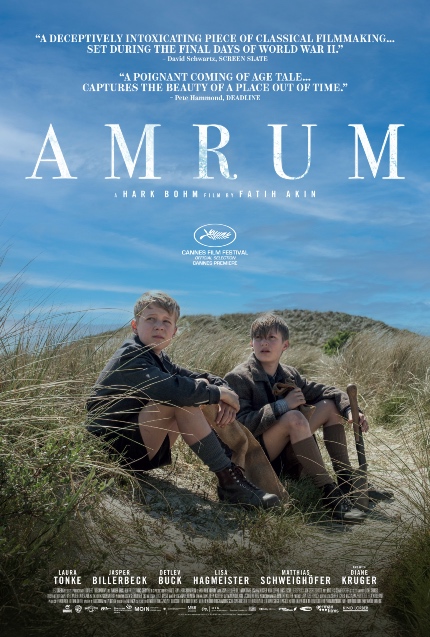
German-Turkish director Fatih Akin brings Amrum to the screen, based on the childhood experiences of his co-writer, Hark Bohm, on the North Sea island of Amrum, a sparsely populated geestland exposed to the elements during the final months of World War II.
It is 1945: the war has drained the lifeblood of Germany's underclass, while the Allied forces prepare their final blow to a moribund regime.
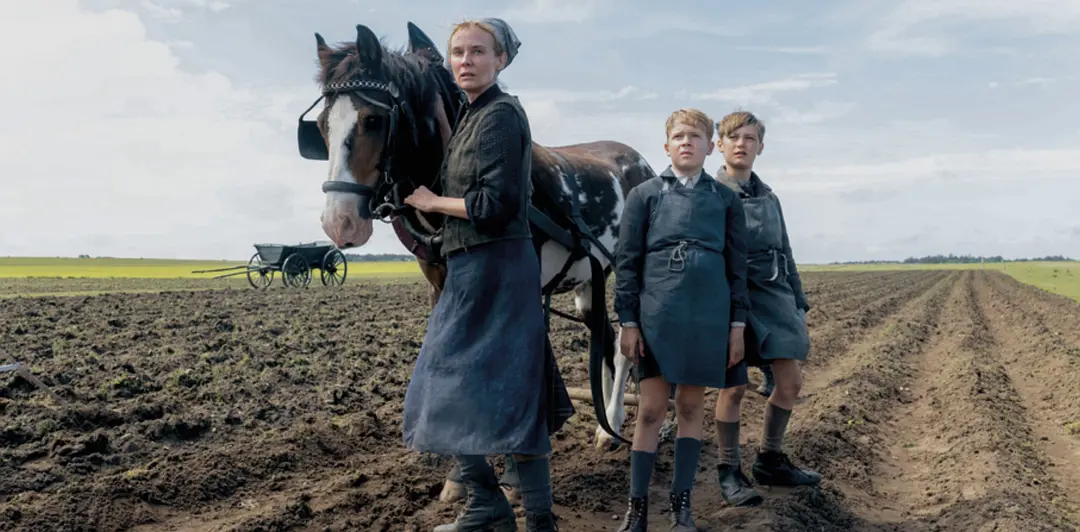
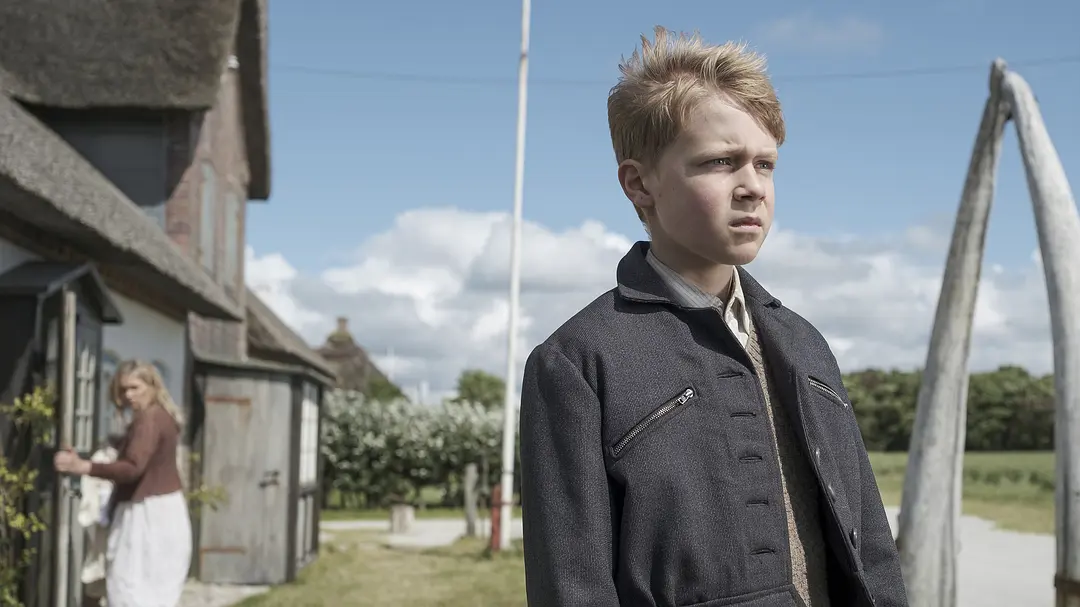
The film follows Nanning (Jasper Billerbeck), a prepubescent boy living with his pregnant mother, Hille (Laura Tonke), his younger brother, and his aunt, Ena (Lisa Hagmeister), burdened by the nation's current situation. Having fled Hamburg due to bombings, the family settles on Amrum but remains treated as outsiders by the local community.
Hille, a fragile and paranoid Nazi adherent, clings to fascism as her husband serves far away as a lieutenant colonel on the front line. Even her name -- derived from the German hild, meaning "battle" -- seems to echo her increasingly frenzied state of mind.
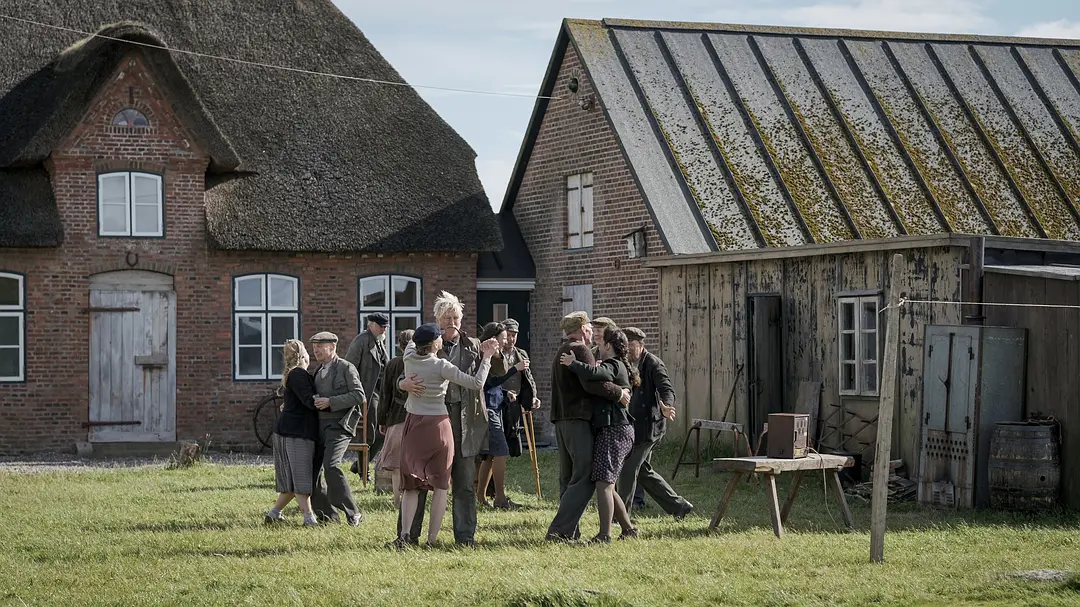
As war pushes daily life to its limits, the family's desires narrow to the most fundamental necessities: butter, sugar, and honey. In this context, even a single loaf of white bread becomes an extravagant aspiration. Cinematographer Karl Walter Lindenlaub captures Amrum's stark and unforgiving atmosphere through expansive wide shots, often pulling back to reveal vast, sodden terrain that feels suspended in time.
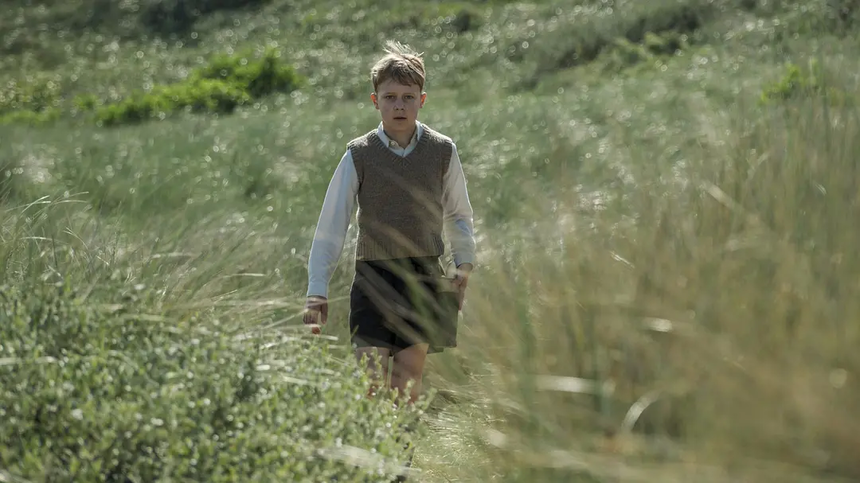
Nanning exists in a state of contradiction. As a member of the Hitler Youth, he dutifully performs acts of indoctrination: saluting elders, absorbing propaganda, and even being enticed to snitch on others. Yet the looming collapse of the regime unsettles him, particularly as Hille spirals further into instability after giving birth.
In an attempt to restore her appetite, Nanning sets out on a modest quest to gather ingredients for white bread. The premise at times recalls the simplicity of Abbas Kiarostami's storytelling, where a child's small objective opens onto a broader moral landscape.
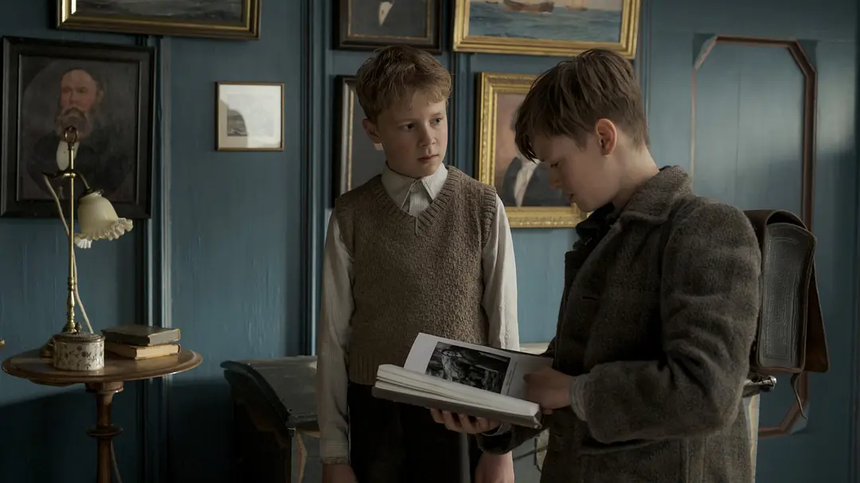
Akin clearly aims to examine the toxic infiltration of Nazi ideology into a child's psyche. This ambition is somewhat disengaged, however, from the narrative development.
Amrun unfolds as a series of loosely connected episodes, and the subtle shifts within Nanning's internal world struggle to register meaningfully against the larger historical upheaval occurring beyond the island.

The characters themselves appear curiously insulated from the seismic collapse of authority. While there are moments of symbolic alignment, such as a birth scene coinciding with the announcement of Hitler's death, the emotional and political weight rarely fully lands. Casting also proves uneven: Billerbeck delivers an authentic performance, yet his portrayal lacks the expressive depth and volatility required to fully embody Nanning, an unformed 12-year-old caught in such profound confusion and entrapment.
While Nanning's journey is filled with small encounters and incidents, the narrative rarely places Nanning in situations that genuinely challenge or transform him. His development largely remains static and provides little sense of catharsis in relation to his confusion, repression, and fractured sense of identity.
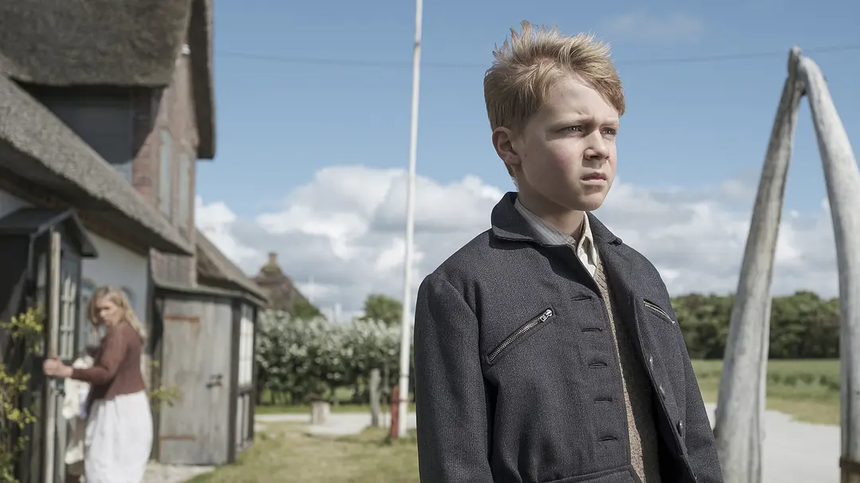
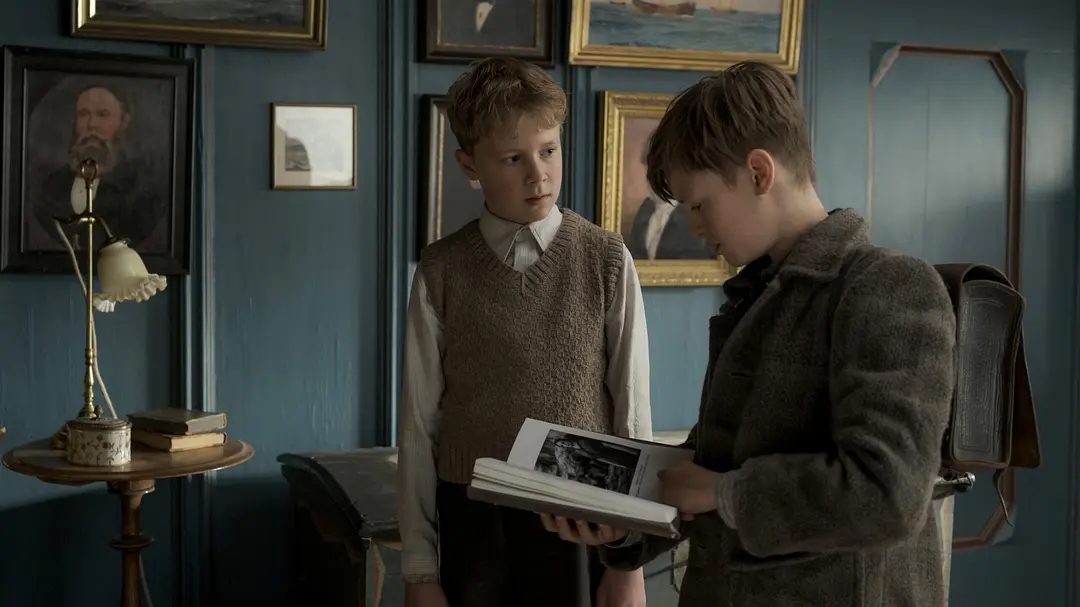
The film's thematic intentions are most evident in its engagement with Moby-Dick, where Captain Ahab is read as a stand-in for Hitler, the white whale as America -- or "God," as Nanning's friend Hermann (Kian Köppke) suggests -- and the Pequod as the German nation itself. This allegorical framework gestures toward a vision of blind obsession leading not to victory, but to mutual destruction.
Amrun serves as a sombre reminder of a historical moment defined by ideological collapse and moral disorientation. However, for a story -- particularly one told through a child's perspective -- to resonate more deeply, it needs to move beyond observation and into a more fully realised affective reckoning.
The film opens Friday, April 17, only in North American movie theaters, via Kino Lorber. Visit their official site for locations and showtimes.