ScreenAnarchy Visits David Lynch's CLUB SILENCIO

Since the David-Lynch-designed club Silencio opened in Paris in October 2011, I've attempted to go twice during the hours when it's supposedly open to the public, and been turned away twice, just as I likely would have been at any other chic, exclusive Parisian night club that I showed up to wearing sneakers. I was angry at the time. The filmmaker who has inspired so many cultural rebels and weirdos over the years had designed a club/creative space, and as far as I could tell, it was mostly reserved for the moneyed, attractive, here-to-be-seen elite. Sure, the last film he made was an advertisement for Dior, but at least all of Lynch's fans could see that before whining that he had sold out.
On the other hand, while it's never stopped anyone, I don't actually believe it's fair for fans to dictate their own set of principles and constraints to which their favorite artists should adhere. More to point: Regardless of the validity of my lofty convictions, it's pretty obvious that I was mostly angry that I couldn't get into the damn place.
Now, I've finally seen the club (Thanks, press credentials!), but I bring up the story because exclusivity is as good of a starting point as any when discussing Silencio. The space is foremost an artistic salon of sorts, a playground for the cultured where they sip fancy cocktails, exchange ideas and participate in a plethora of meticulously selected and organized events, performances, concerts, screenings, culinary demonstrations and so on.
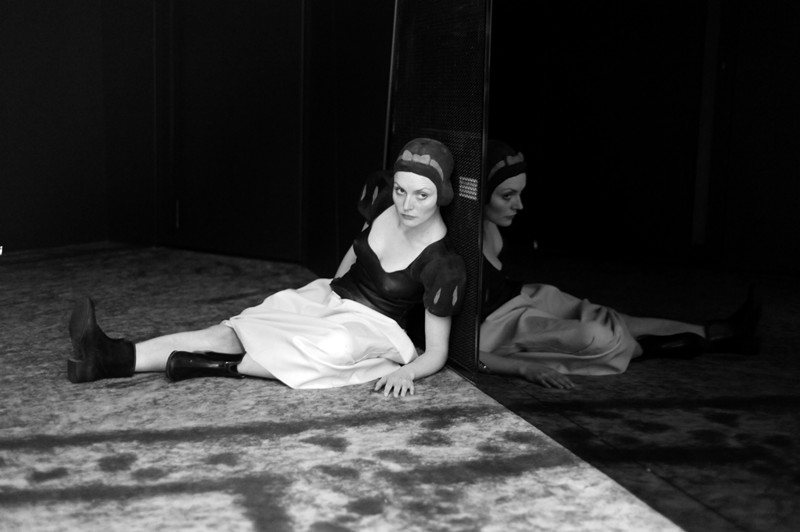
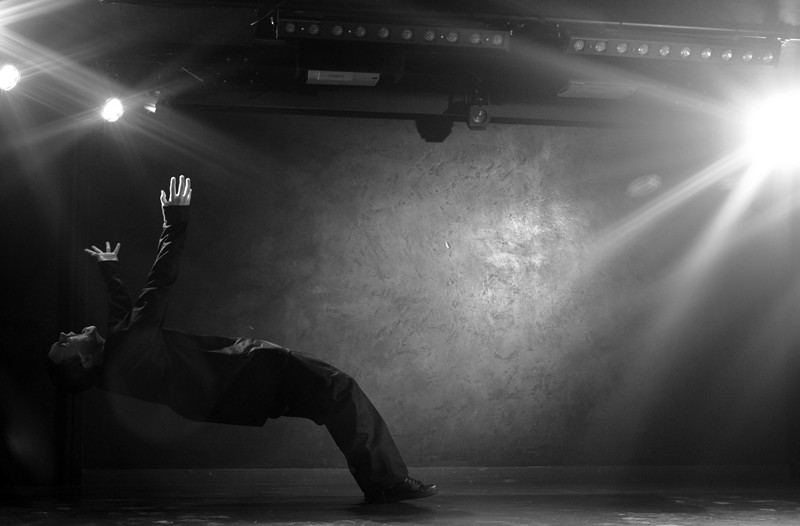
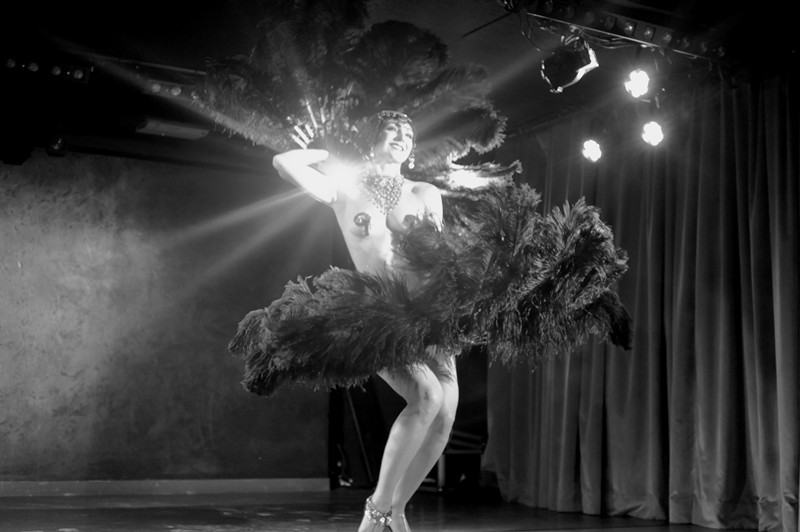
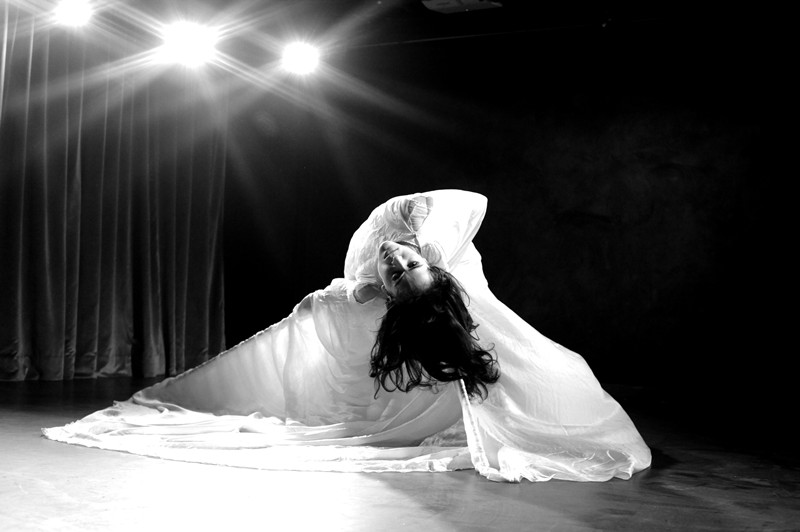
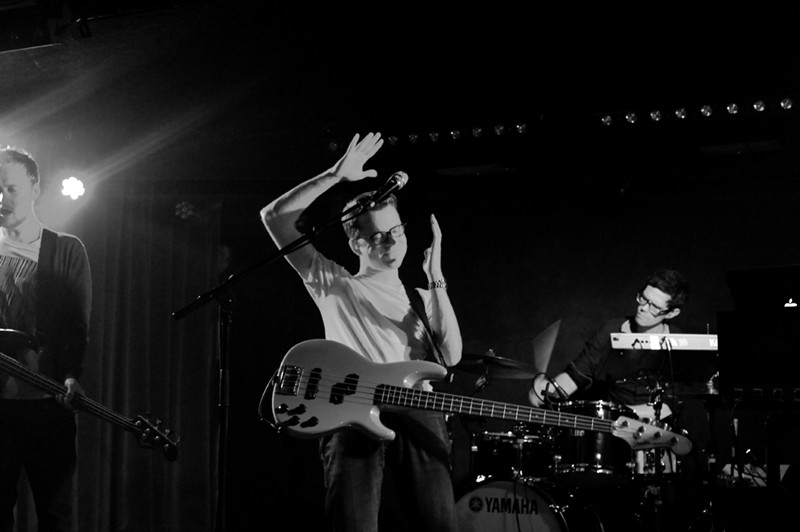
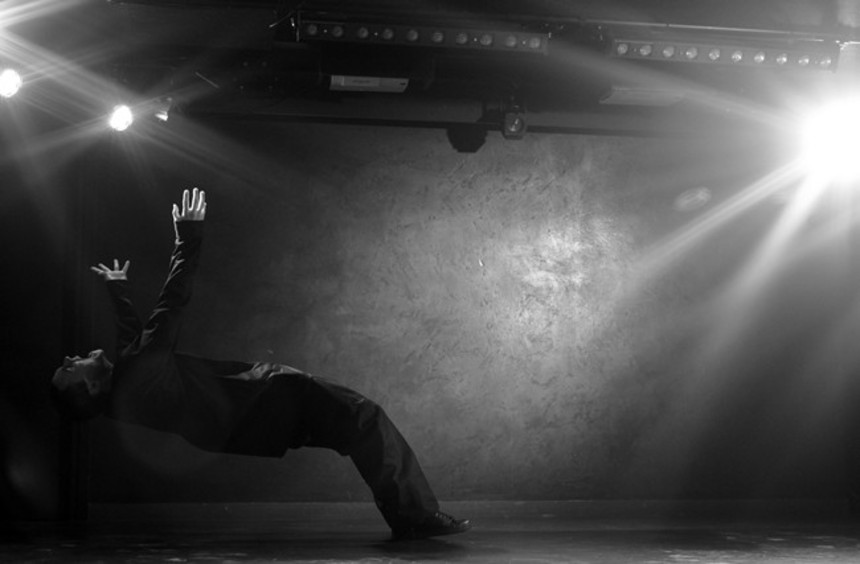
Four times a year, they select one artist and give them "Carte Blanche," that is, a week to program every aspect of the club, from music to film screenings. The first of these naturally went to Lynch, who chose to screen Mon Oncle, Lolita, 8 ½ and Being There. Then there's the Curiosity Salon, also four times a year, in which the club is programmed entirely according to a theme for the week. First up was Magic Week, which featured, among other things, performances by illusionists, psychics and dancers specializing in tightrope walking and contortion.
After midnight, Silencio functions as a nightclub which is open to the public — but more on that later. From 6pm to midnight, the space is open only to paying members, those creative folks who pay 780 euros a year, or 420 if they're under 30 or not a Paris resident.
The concept actually exemplifies a bit of nostalgia for times long gone, an idea not at all foreign to Lynch's work. It offers a modern take on bygone cultural salons like those around Europe in the 18th century (or even the 20's and 30s), Cabaret Voltaire and the gatherings that W. Somerset Maugham always ends up at in his novels. But, while Lynch designed every aspect of the club and helped develop it, he's not the founder/owner. That distinction belongs to Savoir Faire, a company founded by Arnaud Frisch and Emmanuel Barron, which already owns the electro-clubbing haven above Silencio, The Social Club.
The team devised the idea for a high-end cultural club, and immediately decided they wanted someone without professional experience in interior design to create it. Through their connections with French film exhibitors/distributors MK2, they pitched the project to Lynch. Apparently, Lynch took one look at the space, which at the time was more or less a giant underground hole filled with rubble, and said, "Let's do it!" He spent the next two years working with Designer Raphael Navot in collaboration with architectural agency ENIA to realize every aspect of the club, including the bathroom and furniture.
A Place Where Time Disappears
Silencio doesn't bear much resemblance to its namesake from Mulholland Drive, nor does it call to mind the dingy, ethereal charm of The Roadhouse in Twin Peaks. No, Lynch went for class this time, and rather than padding the space with knowing winks to his films, he's devised something more unexpected. You enter through an all black, unmarked doorway, and make your way down seemingly endless flights of stairs, surrounded by jet-black walls and adorned with a sparse, always-changing photo exhibition. For me, this was perhaps the most mysterious, exciting part of the club - a dark, silent plunge into the unknown.
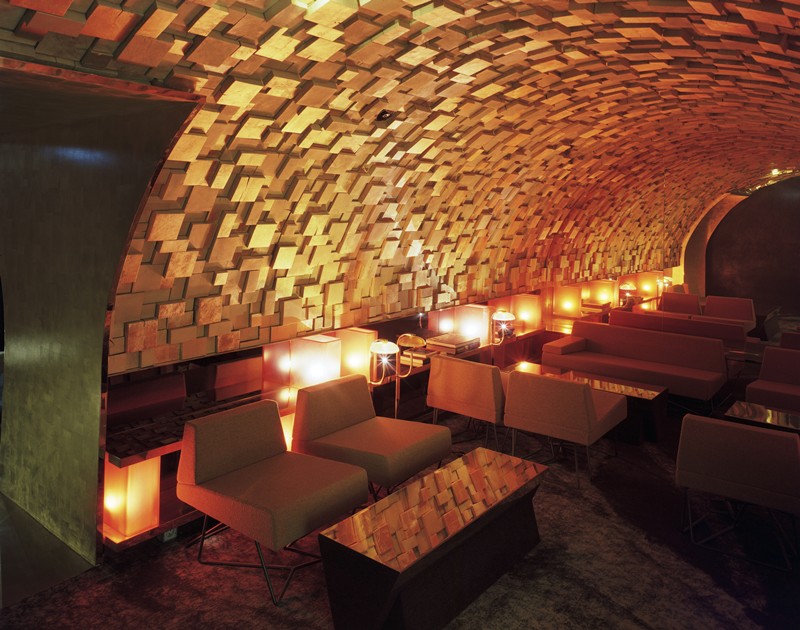
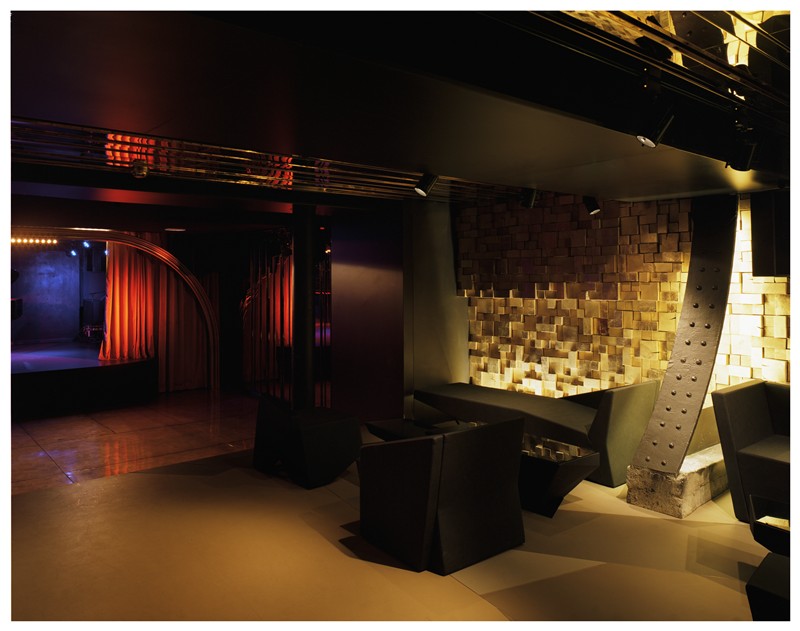
Not to say the place itself is lacking for atmosphere. The space is divided into rooms, each with its own distinct mood. After entering through a tunnel made up of protruding, gold-painted wood cubes (which show up all over the club) and checking coats and bags at a classy concierge area, guests enter a lounge-like library with low-to-the-ground chairs and tables designed by Lynch. It's classy and comfortable, and shelves about a foot off the ground are tastefully stacked with books selected by whichever artist to whom the club most-recently gave carte blanche. Lynch's selections range from Kafka and Dostoevsky to The Art Spirit by Robert Henri, which he devotes a chapter to in his own memoir, Catching the Big Fish.
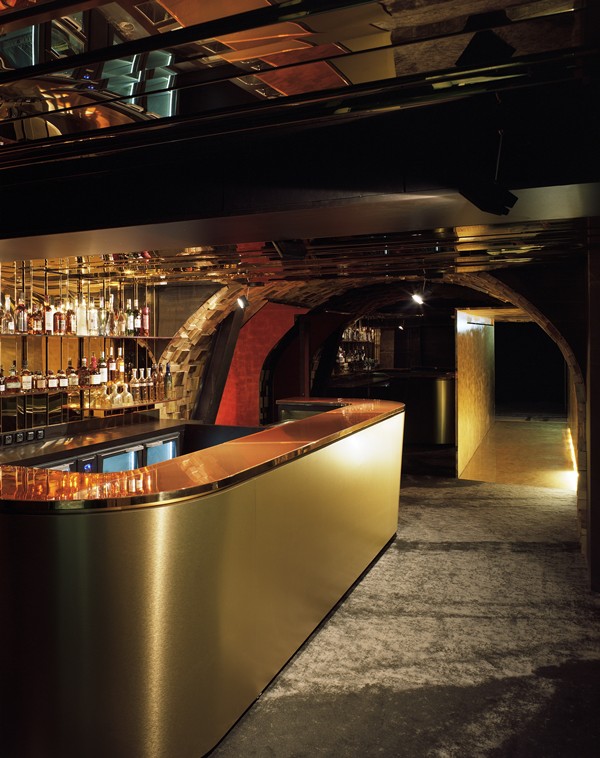
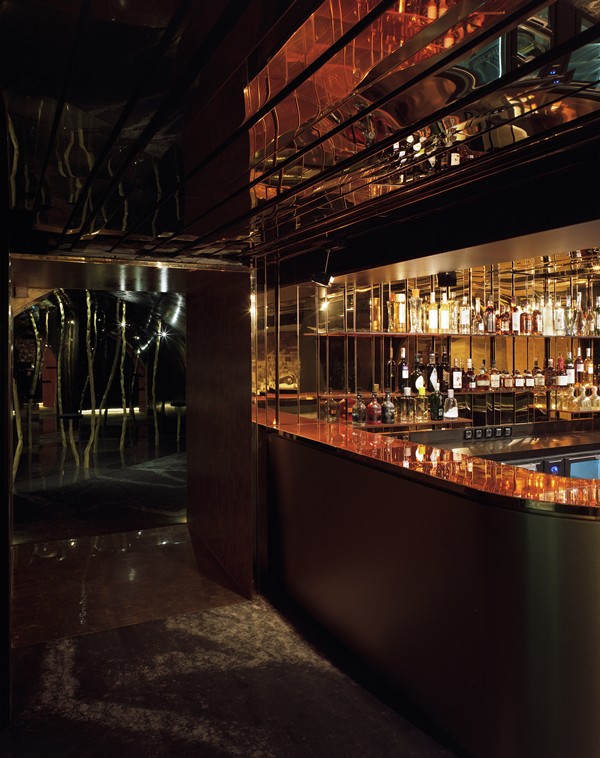
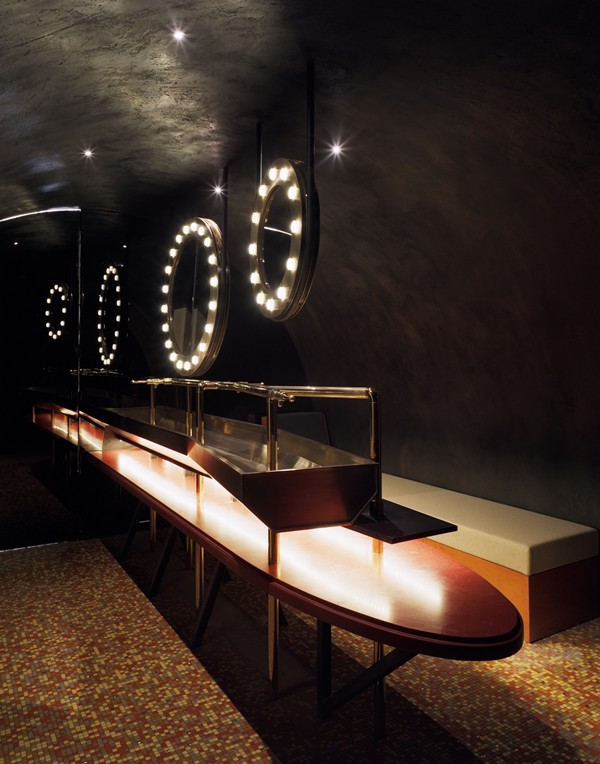
Turn the other way from the library, and you enter the bar-area, designed with a low counter and lit like a swanky cocktail lounge from an old movie. And in fact, the bartenders specialize in swanky cocktails, with ingredients like "homemade rosemary-syrup" and honey-infused vodka. The bar gives way to a dance-floor and more traditional V.I.P. looking lounge. Like the bar, the area puts a modern spin to retro design. And the walls in all of the rooms, much like the sets of many of Lynch's films, make generous use of wood and organic material. The bathroom has a long, silver community sink that seems to invite social interaction.
The most obviously Lynchian room is the smoking forest; a small, sparse room occupied by painted sculptures of bent, withered trees, which was based on a drawing by Lynch. The entire space seems virtually sound proof, and mirrors are prominent, even on the ceiling. Indeed, Silencio does an impressive job of creating a space that makes visitors forget about both time and location.
For members, there's also a screening room, with digital projection and comfy couch-like seats. Here, the MK2 programs special screenings of new films, old films and even unreleased films. As I finished the journey here, leaning back in one of the seats, I felt like I had just been given a tour of a fancy spa that I probably couldn't afford.
Open to the Public
I came back on a Friday night to see Silencio the nightclub in action, during the time when it's open to the public. As I arrived, the British bouncer at the door, who is something of a cultural and nightlife figure in Paris himself, was turning away two girls. He was doing so very amiably, to the point where they seemed flattered to be told they couldn't get in tonight. The punch line was that when we got in, the place really wasn't that crowded, nor did it ever get even close to packed before we left around 4:00 am.
Like most Paris night clubs, the drink prices are steep, with cocktails from 14-18 euros (probably the best deal, since they are all actually pretty special), wine from 18 to 80 (!) euros a glass, and Heinikens for ten euros a bottle (Apologies to Frank Booth). The dance floor was lively, but not sweaty and crowded, and because of the tight door policy, it was actually possible to relax and enjoy the space rather than fighting through crowds of tall drunk people and trying to talk over blaring music. So in that respect, it's nice - assuming you get in.
So, how do you do that? Search me. The P.R. person I talked to said that they do indeed let people in based on physical and fashion considerations, which she rightfully points out is pretty much the norm at high class nightclubs in Paris. According to her, the Physionomiste says he favors people who he can tell are at least trying. That is, in the clothes-related sense of the phrase. The other, probably simpler option is to make friends with a member (or become one).
Upon entering, my friend's first comment was, "I thought it would be weirder." Indeed, there is still some disconnect between the expectations triggered by the phrase "a club designed by David Lynch" and the actual execution - I dreamed of a smoky, red-lit room where Julee Cruise croons on stage every night. Then again, what was anyone really expecting? Lynch's career and creative choices have continually confounded, elated, confused and surprised his fan base, and in this sense, I'd say that Silencio fits just as comfortably into his oeuvre as any of his other work.
[Performance pictures from the Curiosity Salon, copyright Elise Toide. Pictures of the space copyright Alexandre Guirkinger/Silencio.]