
SXSW 2010: LIKE A PASCHA Review

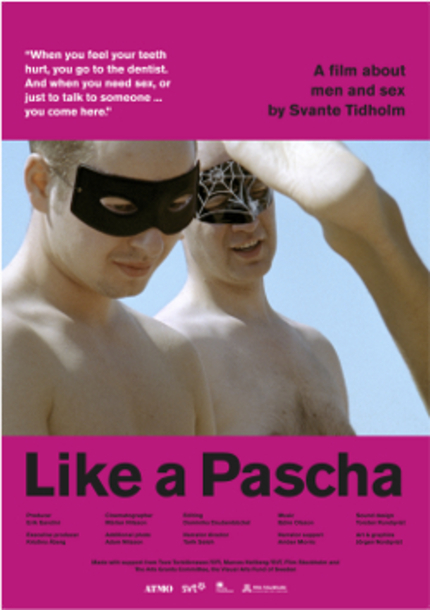
In the documentary, Tidholm places himself in the role of the grand inquisitor. He is presented on camera in conversation with Pascha management, the employees, and the customers. His line of inquiry is not objective. His disapproval of the business is apparent; he expresses serious concerns about issues such as sexual exploitation and devaluation of women. The responses he gets to his questions are as varied as they are intriguing. Tidholm spends a considerable amount of time talking to Sonia, a Romanian woman who works at Pascha. She is ashamed of her job, but believes that life in the brothel is better than the alternatives. Sonia's dream of financial security and a family are unlikely to materialize because Pascha seems to be the only thing keeping her (and others) off the street. Is she being exploited or saved from an even worse fate?
Tomas is the manager at Pascha. In his view, Pascha is a dream world where men go to escape from their wives, finances, and worldly pressures. His shrewd business sense allows him to easily counter Tom's questions. His logic is best summed up by the following quote: "When you feel your teeth hurt, you go to the dentist. And when you need sex, or just to talk to someone, you come here." His perspective is reflected in the attitude of the customers. Single men, married men, and engaged men slip out of the house for temporary respite at Pascha. One customer claims his sex drive does not sync with his fiance, so he lies to her to sneak off to Pascha. He seems unconcerned with how this may effect his relationship.
One of the most prominent "characters" in is the building itself. The immense scale of this business, which handles hundreds of customers per day, cannot be over-emphasized. All the women live in the building. Meals are provided by a 24-hour restaurant. A doctor, hairdresser, and manicurist are all on site. As to customers, 5 euros guarantees entry. The first floor is like a convenience store to quickly get the customer out of the door for 30 euros. Those who want something else can roam the halls. Special rooms are designed for acting out specific fantasies. Entire floors are dedicated to specific tastes. The rooftop, which can obviously be seen from other buildings, hosts barbecues and orgies (at the same time). The film explores every nook and cranny of this massive brothel. Sometimes, the filmmaker's unfettered access leads to very explicit scenes. A gender-bending roof-top barbecue/orgy on the roof leaves nothing to the imagination.
Like a Pascha does not pretend to have answers to the questions it raises. However, by cleaving a hard line between fantasy and reality, the film demonstrates that application of capitalist efficiencies to the sex trade really only changes who gets the money. Everything else, including the struggling of the women and the conniving of the men, stays the same.

Do you feel this content is inappropriate or infringes upon your rights? Click here to report it, or see our DMCA policy.


