At one point a person 'official' becomes an adult has been mulled over by cultures for millennia; some make it around 13 or 14 years, others once a person's body has 'matured'; many societies now put a legal definition on an age to protect younger people from predatory adults. But given how our brains develop, not always in time with our bodies, and that many young people lead arguably sheltered and privileged lives, it's not surprising that those 'teen' years (as we've dubbed them, between around 14-19) can be a bit murky when it comes to maturity and emotional intelligence. Which can often lead to disaster.
French writer Françoise Sagan's first novel Bonjour Tristesse, about a teen girl on the cusp of adulthood whose anger over her father's new lover causes her to act irrationally, has a new adaptation from Canadian filmmaker Durga Chew-Bose in her directorial debut. It's understandable why the material would be attractive, given not only the southern France location, but the characters whose journeys feel both preventable and inevitable, if only someone sensible had been in the protagonist's life.
Cécile (Lily McInerny) is spending a final summer before finishing school, at a house by the beach; this happens to be in the south of France that her long-widowed father Raymond (Claes Bang) has rented for the two of them, plus his latest girlfriend, Elsa (Nailia Harzoune), a ballet dancer. Cécile has taken up with his first lover, Cyril (Aliocha Schneider), and it seems all four people are finding the lazy life of sun and swim, lazily enjoyable.
Into this seemingly perfect and languid moment comes Anne (Chloë Sevigny), Cécile's last mother's and Raymond's somewhat intermittent but very close friend. Anne's more formal manner, her seeming strictness and interference in Cécile's life, upsets the girl to the point where she schemes to get rid of the unwanted force.
Cécile's life is one of near complete freedom; her father lets her roam as she likes have the relationship she wants with Cyril. It has been the two of them for so long that he is less a father and more a good friend (to the point she calls him Raymond as opposed to 'dad'). He doesn't care that she seems uninterested in school work; this presumes they have privilege enough for her to get some kind of job despite her lack of skill, and Cécile seems to have few interests beyond staring at the sea, or watching her father's similar, somewhat placid life. This is fine, to a certain extent; what wouldn't we all give to have at least this kind of lazy summer.
But some realities must be faced, which is where Ann comes in. To an outside observer, Anne would seem to want to ground Cécile, to make her understand that adulthood is coming and while lazing through life might be fine for a man like Raymond, it won't work for Cécile. Anne clearly has worked very hard to get to her position (a prominent fashion designer), and her seeming coldness is more a shield from a world that has likely tried to hold her down. She doesn't want that to happen to Cécile.
The teen cannot even comprehend any sort of limitation on the freedom she's had her whole life. She's been too protected to understand what this will mean when she's on her own in the world, and too emotionally immature to understand the nuances of adult relationships. To her, Raymond's switch from Elsa to Anne is a result of manipulation, of an interloper ruining Cécile's perfect world. And being immature, Cécile can only think of immature, and cruel, way to get rid of the woman she seems as her enemy.
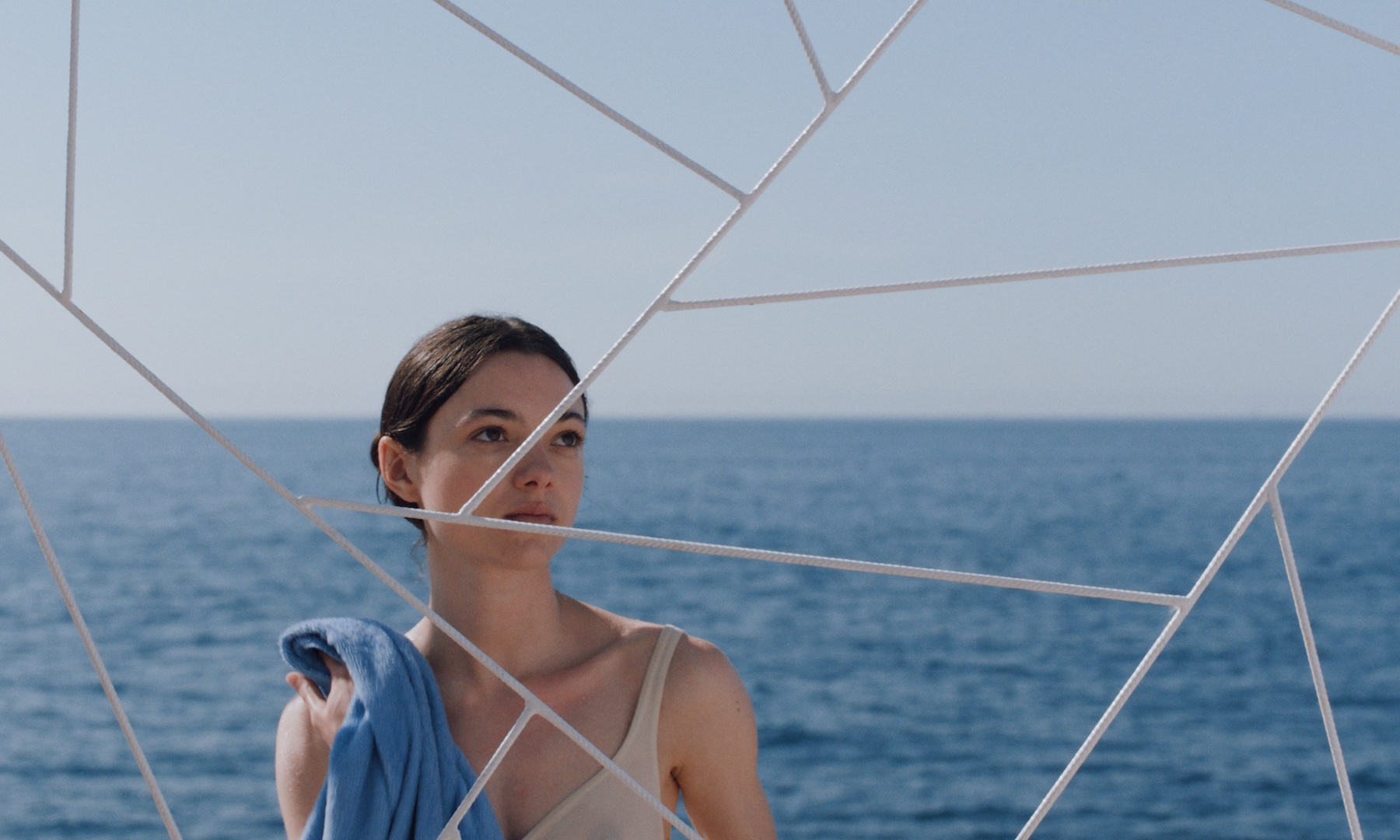
But sometimes that sense of ennui, that focus on objects and landscape and water, feels more of a crutch than the backdrop it needs to be to the emotional turmoil thrust on the characters over what is, at heart, a roller coaster of a summer. Relationships made and broken, invasion of the outside world in the form of a seemingly stern but ultimately caring person, the first sexual encounter, the first attempt to devastate a life. At a certain point, the film needed to dig deeper into these dark emotions and terrible actions, but it also felt like it glided on the surface of these waters, rather than be willing to take the plunge.
As fits her character, Sevigny conveys a great deal through simple looks and gestures, the weight of what she's had to endure for both her career and it seems her long-simmering love for Raymond having taken its tolls, her patience finally being rewarded. Bang fits well with the somewhat lazy playboy who, albeit briefly, seems to recognize that Anne is the best fit for his life and his daughter. At least for the first half, McInerny conveys that special kind of privileged isolation someone like her character would experience, though again, some of the weight is missing from her performance in later scenes, her character remaining somewhat superficial in the wake of her terrible actions.
While beautiful to look at, and with some strong moments from its actors, this new version of Bonjour Tristesse perhaps feels more like a cocktail than a full meal. Still, it's enough of an enjoyable combination, with gorgeous vistas enough to lean into the melancholy of an indirect murder.
Bonjour Tristesse opens in select theatres in the USA and Canada on Friday, May 2nd.